
Boeing's Super Hornet Gets Combat-Ready Brain Upgrade as Navy Extends Fighter Operations Into 2040s
Breaking airline news and aviation industry updates for 2026.

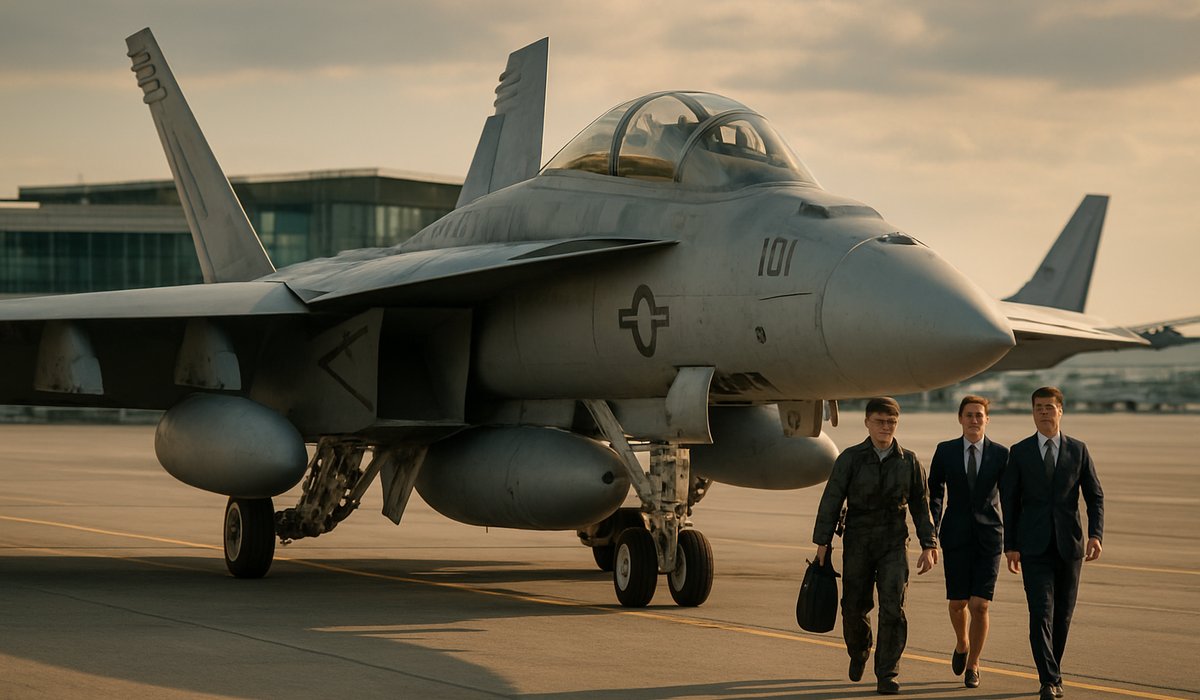
Image generated by AI
Boeing's Super Hornet Gets Combat-Ready Brain Upgrade as Navy Extends Fighter Operations Into 2040s
Service life extension paired with cutting-edge avionics modernization keeps aging airframe competitive against emerging threats
Navy Doubles Down on Super Hornet Investment
The U.S. Navy is making a significant bet on its workhorse fighter jet, green-lighting a comprehensive modernization initiative that will keep Boeing's F/A-18E/F Super Hornet operational through the 2040s. However, this isn't simply about extending the lifespan of an aging platform—it's fundamentally about reimagining how the aircraft operates in an increasingly complex threat environment.
Through an ambitious Service Life Modification (SLM) program, the Navy is pushing the Super Hornet's structural limits to 10,000 flight hours, effectively resetting the clock on airframes that have logged decades of carrier operations. But the more transformative work lies beneath the fuselage: a sweeping overhaul of the jet's electronic systems, cockpit infrastructure, and data-sharing networks designed to bridge the capability gap between legacy hardware and next-generation warfare.
Electronics Overhaul Marks Real Modernization Push
The Block III variant represents far more than routine maintenance. Military engineers are essentially installing a new "brain" into the Super Hornet, upgrading everything from sensor fusion systems to artificial intelligence-enabled targeting capabilities. These modifications will enable the aircraft to integrate seamlessly with emerging Navy platforms and networked defense systems that didn't exist when the Super Hornet first entered service in the late 1990s.
The upgrade addresses a critical vulnerability: as peer competitors develop advanced radar-evading aircraft and longer-range weapons systems, legacy fighters face obsolescence regardless of their structural integrity. By investing in avionics modernization rather than wholesale platform replacement, the Navy is pursuing a cost-effective strategy that acknowledges fiscal constraints while maintaining combat credibility.
Strategic Calculus Amid Rising Defense Pressures
This decision underscores the Navy's pragmatic approach to force planning. Developing an entirely new carrier-based fighter program would consume decades and billions in additional funding. Instead, the Super Hornet modernization allows the service to maintain fighter numbers while gradually transitioning to next-generation platforms like the F-35C Super Hornet variant already in limited service.
The extended service life also provides operational continuity, ensuring carrier air wings maintain pilot proficiency and squadron readiness as the Navy manages a multi-decade transition to mixed fleets of legacy and next-generation platforms.
Looking Forward
For Boeing, the Block III program represents sustained revenue and workforce stability. For the Navy, it's a calculated investment in capability extension that acknowledges both budgetary realities and the lengthy timelines required to develop revolutionary military systems.
Frequently Asked Questions
Q: How long can the modernized Super Hornet remain operational? A: The Service Life Modification program extends the airframe to 10,000 flight hours, keeping the aircraft operational well into the 2040s with proper maintenance and continued upgrades.
Q: What specific systems are being upgraded in Block III? A: The modernization focuses on electronics, cockpit avionics, sensor fusion capabilities, and networking systems that enable integration with modern naval defense infrastructure.
Q: Why extend the Super Hornet instead of building entirely new fighters? A: Cost-effectiveness and timeline practicality. Developing new platforms requires decades; modernization extends capability while maintaining carrier air wing strength during the transition period.
Q: How does this affect competition with other naval powers? A: The upgrades address capability gaps against peer competitors with advanced aircraft and weapons systems, though they represent incremental rather than revolutionary improvements.
Q: Will the Super Hornet eventually be replaced? A: Yes, eventually, but the Navy is pursuing a gradual transition using next-generation platforms like the F-35C variant while maintaining Super Hornet squadrons through this modernization effort.
Related Travel Guides
Flight Delay Compensation Guide 2026
Understanding Airline Route Changes
Airport Security Process Updated (2026)
External Resources
Disclaimer
This article is for informational and educational purposes only. It does not constitute legal, financial, or professional advice. While we strive to provide accurate and up-to-date information, travel policies, regulations, and conditions change rapidly. Always verify information with official sources before making travel decisions. Nomad Lawyer makes no representations about the accuracy, reliability, completeness, or suitability of the information provided. Readers should consult qualified professionals for advice specific to their circumstances. The views expressed in this article are those of the author and do not necessarily reflect the views of Nomad Lawyer.
Kunal K Choudhary
Co-Founder & Contributor
A passionate traveller and tech enthusiast. Kunal contributes to the vision and growth of Nomad Lawyer, bringing fresh perspectives and driving the community forward.
Learn more about our team →