
U.S. Air Force Overhauls F-22 Raptor Strategy, Prioritizing Range and Passive Detection Over Stealth Dominance
Breaking airline news and aviation industry updates for 2026.

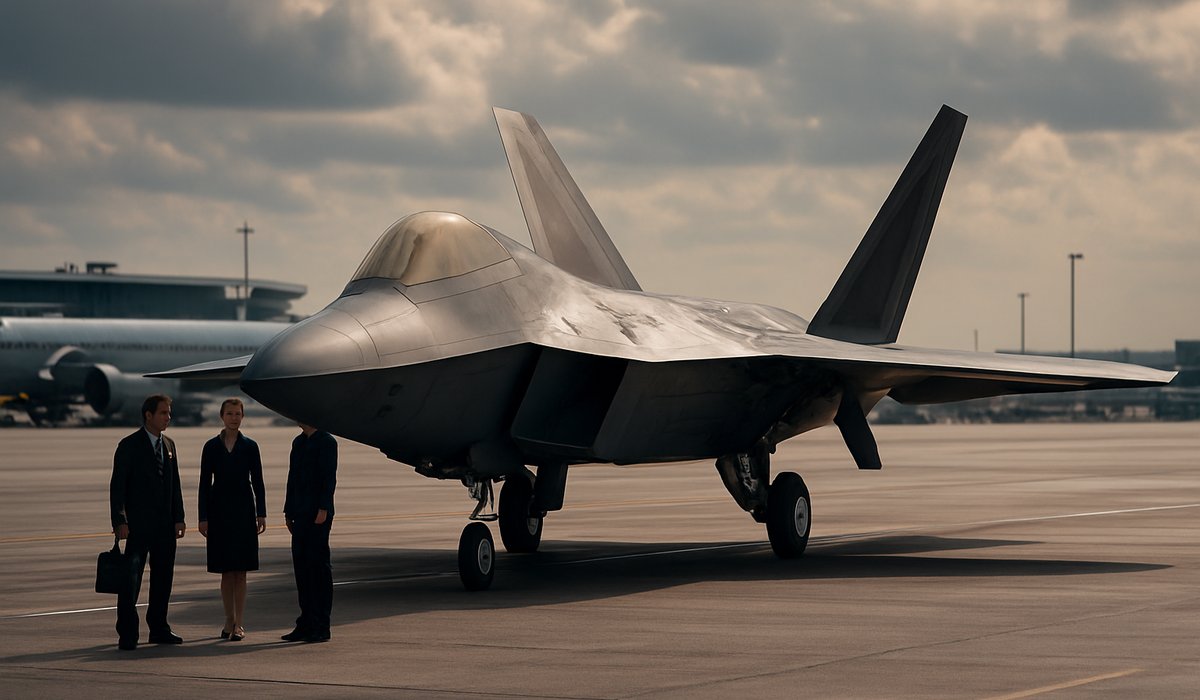
Image generated by AI
U.S. Air Force Overhauls F-22 Raptor Strategy, Prioritizing Range and Passive Detection Over Stealth Dominance
Defense modernization shift reflects new Indo-Pacific threats and the emergence of rival stealth fighters
Strategic Pivot for America's Premier Fighter
The United States Air Force is fundamentally reshaping its most advanced fighter jet through a sweeping modernization initiative that represents a dramatic departure from the stealth-first doctrine that defined the F-22 Raptor for decades. The service branch has earmarked $90.34 million in its FY2026 budget request to implement what industry observers are calling "Raptor 2.0"—a comprehensive upgrade package designed to keep approximately 185 operational aircraft combat-relevant through the 2030s.
The shift signals a critical recalibration in air superiority strategy, moving away from pure stealth capabilities toward a more balanced approach emphasizing extended operational range, passive sensor detection, and enhanced battlefield networking. This recalibration addresses emerging geopolitical realities and the proliferation of sophisticated stealth aircraft from rival powers.
Key Upgrades Transform Tactical Approach
The modernization program introduces three major technological enhancements to the Raptor's operational envelope. Stealthy external fuel tanks will substantially extend the aircraft's combat radius across the vast distances of the Indo-Pacific theater—a critical consideration for operations spanning thousands of miles of ocean. Infrared Search and Track (IRST) pod integration enables pilots to detect adversary aircraft passively, reducing reliance on radar emissions that could reveal their position.
A new helmet-mounted display system rounds out the upgrades, providing enhanced situational awareness and targeting integration. Together, these modifications represent a fundamental shift in how the Air Force envisions its premier fighter operating in contested airspace.
Response to Emerging Threats
The modernization effort directly reflects the Air Force's assessment of emerging threats in the Indo-Pacific region, where stealth aircraft operated by China and Russia—including the Chengdu J-20 and Sukhoi Su-57 respectively—have altered the calculus of air superiority. Rather than engage in an escalating stealth arms race with diminishing returns, the Air Force is adopting a more sophisticated approach: maintaining stealth capabilities while leveraging superior sensors, extended range, and networked operations to maintain tactical advantage.
Defense analysts view this pragmatic recalibration as evidence of institutional learning. The service is acknowledging that no single capability—even stealth—guarantees dominance in future conflicts. Instead, integration across multiple operational domains appears to be the emerging doctrine.
Bridging the Generational Gap
By extending the F-22's operational life and relevance, this modernization program serves a critical bridging function. The Raptor entered service in 2005, and production ceased in 2011. The next-generation fighter platform remains years away from operational deployment, leaving a substantial capability gap if the current fleet were to become obsolete.
The FY2026 budget allocation reflects the Air Force's commitment to keeping this aging but still formidable platform operationally competitive against contemporary and near-term adversary systems.
Frequently Asked Questions
What is the F-22 Raptor and why is it being upgraded? The F-22 Raptor is the U.S. Air Force's premier fifth-generation stealth fighter aircraft. It's being upgraded because it must remain relevant through the 2030s until the next-generation fighter platform reaches operational status, while also adapting to new threats in the Indo-Pacific.
How much is the Air Force spending on these upgrades? The Air Force has requested $90.34 million in its FY2026 budget specifically for the F-22 modernization program, commonly referred to as "Raptor 2.0."
What are the main technological improvements in the upgrade? The upgrades include stealthy external fuel tanks for extended range, Infrared Search and Track (IRST) pods for passive detection capabilities, and new helmet-mounted display systems for enhanced situational awareness and targeting integration.
Why is the Air Force emphasizing range and passive detection instead of stealth? The shift reflects operational demands of the Indo-Pacific theater, where vast distances are involved, and acknowledges the rise of rival stealth aircraft from China and Russia, requiring a more balanced multi-capability approach rather than reliance on stealth alone.
How many F-22s will benefit from these upgrades? Approximately 185 operational F-22 Raptors currently in service with the U.S. Air Force will be modernized under this program.
Related Travel Guides
Flight Delay Compensation Guide 2026
Understanding Airline Route Changes
Airport Security Process Updated (2026)
External Resources
Disclaimer: Airline announcements, route changes, and fleet information reflect official corporate communications as of April 2026. Schedules, aircraft specifications, and service details remain subject to airline modifications.
Kunal K Choudhary
Co-Founder & Contributor
A passionate traveller and tech enthusiast. Kunal contributes to the vision and growth of Nomad Lawyer, bringing fresh perspectives and driving the community forward.
Learn more about our team →