Southwest Airlines Under Fire for 'Hollow Gesture' Thank-You Note to Loyal Frequent Flyer

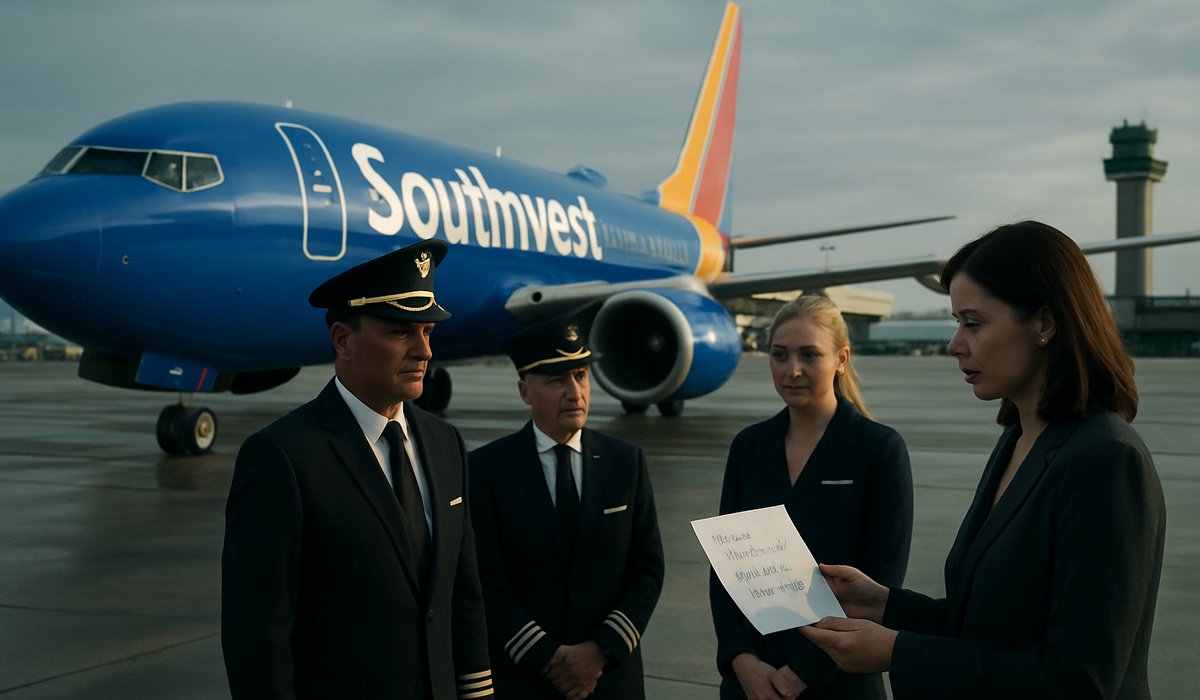
Image generated by AI
Social media backlash reveals deeper discontent with airline's loyalty rewards and customer service standards
Southwest Airlines faces renewed criticism after a handwritten thank-you note to an elite frequent flyer sparked widespread condemnation online, exposing mounting frustration with the carrier's loyalty program and customer service approach.
The incident centers on correspondence sent to an A-List Preferred member—the airline's highest tier of frequent flyer status—a gesture that was meant to reinforce passenger loyalty but instead ignited debate about what customers genuinely value when choosing airlines.
The Backlash: When Gratitude Becomes Controversy
The thank-you note, shared across social media platforms, quickly became a lightning rod for criticism. Travel community members and loyal passengers questioned whether a handwritten message constitutes meaningful recognition for their continued patronage, particularly amid industry-wide increases in ancillary fees and service reductions.
The viral response underscores a critical disconnect: while Southwest attempted a personal touch, consumers increasingly expect tangible benefits—reduced baggage fees, seat upgrades, or lounge access improvements—rather than symbolic gestures.
A Symptom of Broader Industry Tensions
This incident arrives as airlines worldwide grapple with ballooning jet fuel costs and inflationary pressures that have reshaped revenue models. Many carriers have responded by expanding baggage charges, seat selection fees, and other ancillary revenue streams that disproportionately affect frequent flyers who accumulate elite status through high spending.
Southwest's loyalty program has faced particular scrutiny in recent years as the airline shifted away from complimentary amenities that historically differentiated it from competitors. The handwritten note episode highlights passenger frustration with what many perceive as diminishing returns on elite status investment.
What Customers Actually Want
Industry analysts note that modern frequent flyers prioritize concrete benefits over performative gestures. In an era where jet fuel prices fluctuate dramatically and airline operational costs remain elevated, elite members expect their loyalty to translate into measurable advantages—not supplementary correspondence.
The broader aviation sector continues wrestling with customer retention strategies. As fuel surcharges and baggage fees remain permanent fixtures of airline business models, carriers face increasing pressure to demonstrate authentic appreciation beyond ceremonial acknowledgments.
Looking Forward
Southwest has not publicly responded to the specific criticism regarding the thank-you note. However, the incident serves as a cautionary tale for airlines seeking to balance cost-cutting measures with meaningful customer engagement.
For travelers and loyalty program members, the episode reinforces an essential principle: in an industry where ancillary airline fees and operational expenses continue rising, authentic customer appreciation must be substantive, not symbolic.
Frequently Asked Questions
Why are airline baggage fees increasing? Rising jet fuel prices, inflationary operational costs, and airline revenue pressures have made ancillary fees a primary income source for carriers worldwide.
What benefits do Southwest A-List Preferred members receive? Benefits typically include priority boarding, checked baggage allowances, and access to upgraded seating, though these have been subject to modifications as the airline adjusts its loyalty structure.
How do frequent flyer programs compare across major airlines? Elite tier benefits vary significantly. While some carriers offer lounge access and dining credits, others emphasize seat upgrades and priority services. Cost-to-benefit ratios have become increasingly scrutinized by passengers.
Are airline loyalty programs still worth it? For high-frequency business travelers, elite status often justifies membership through seat upgrades and baggage benefits. Leisure travelers may find limited value unless they fly 25+ segments annually.
What's driving customer frustration with airlines? Combination factors include rising jet fuel costs passed to consumers, increased baggage fees, reduced complimentary amenities, and perceived insufficient recognition of loyal passengers despite higher spending.
Related Travel Guides
- Saudia Expands Boeing 787 Business Class Deployment Across Key Global Routes
- Bypassing Travel Chaos: American Airlines Triggers 6 Flight Cancellations at John Wayne Airport, Severing Vital Routes to Dallas, Phoenix, and San Francisco: Airline News
- Best Transpacific Airlines in 2026: Premium Comfort Revolutionized
This article is for informational purposes. Flight routes, passenger regulations, visa rules, and transit advisories are subject to change by airlines and aviation authorities. Readers are advised to verify schedules and travel documentation with relevant carriers and border agencies before departure.
Related Stories
Brazil Nears 100 Million Air Passengers in 2026 Amid Divergent Global Aviation Growth