
New Jersey cathedral Europe architecture: Stunning Spires Rival European Treasures
A breathtaking New Jersey cathedral with soaring spires and intricate architecture rivals Europe's finest in 2026. Domestic travelers can experience authentic Old World design without crossing the Atlantic.

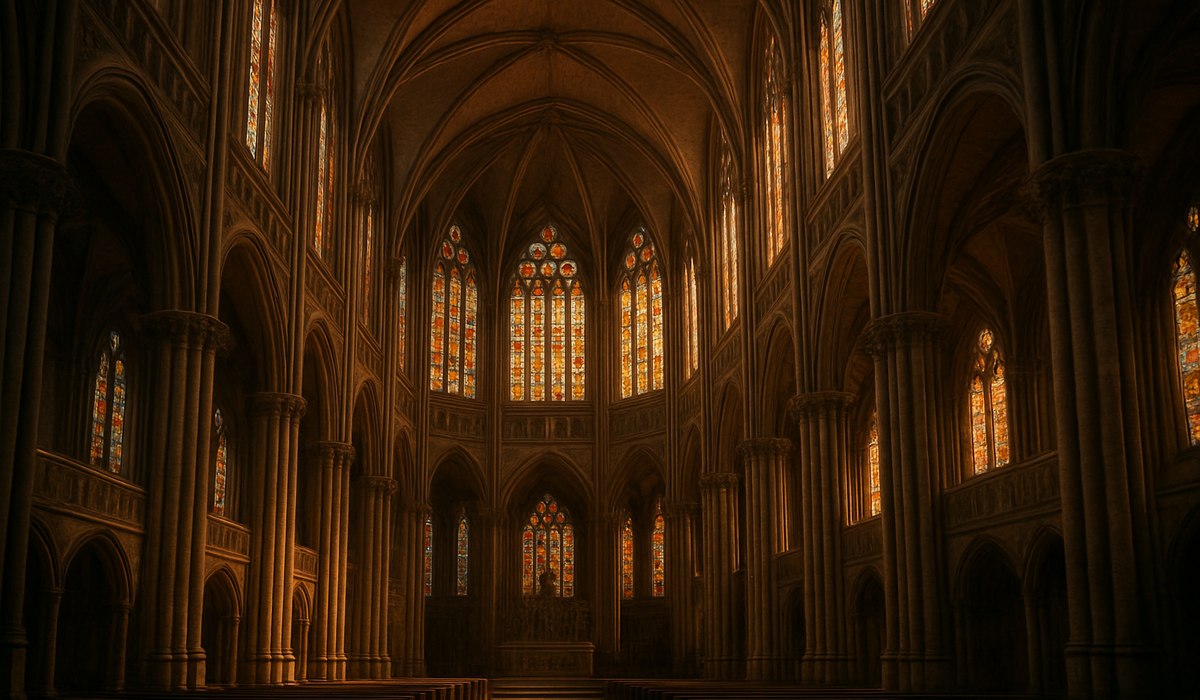
Image generated by AI
An Architectural Wonder Rising from New Jersey's Landscape
A magnificent New Jersey cathedral stands as an unexpected domestic travel treasure, offering visitors an immersive European architectural experience without international air travel. This stunning structure features soaring spires, intricate stonework, and design elements that convincingly evoke centuries-old cathedrals across the Atlantic. Travel experts and architecture enthusiasts increasingly recognize this destination as a premier location for experiencing grand European-inspired design on American soil. The cathedral attracts thousands of visitors annually seeking authentic Old World craftsmanship and spiritual atmosphere. This emerging trend reflects growing domestic travel interest in architectural heritage destinations throughout 2026.
A Hidden Gem: The Cathedral's Historic Background
The cathedral's origins trace back to the 19th century when immigrant communities sought to establish places of worship reflecting their ancestral European heritage. Skilled artisans and architects drew inspiration from renowned European cathedrals, translating classical design principles into New Jersey's landscape. The structure underwent significant restoration efforts in recent decades, preserving original details while modernizing visitor amenities.
The building's construction employed traditional masonry techniques uncommon in contemporary American architecture. Each design element tells a story of cultural continuity and artistic dedication. The cathedral's persistent evolution demonstrates how New Jersey cathedral Europe architecture concepts persisted through generations. Local historical societies maintain comprehensive archives documenting the building's development. Visitors interested in architectural history find extensive resources at Cathedral Archive Collections detailing construction phases and artistic contributions.
Architectural Features That Channel European Design
The cathedral's exterior showcases unmistakable European influence through its soaring spires piercing the sky with elegant Gothic Revival characteristics. Intricate architecture manifests through elaborate stone carvings, pointed arches, and ribbed vaulting that demand attention from approaching visitors. The façade incorporates decorative elements mirroring designs found in renowned European ecclesiastical structures.
Interior spaces reveal detailed craftsmanship throughout vaulted ceilings, ornate columns, and stained glass installations. Visitors consistently describe the soaring spires as breathtaking focal points dominating surrounding neighborhoods. Natural light filtering through specialty windows creates dynamic atmospheric effects throughout the day. The cathedral's acoustic design reflects authentic European cathedral engineering, producing rich resonance during services. Photography enthusiasts appreciate the interplay between architectural geometry and natural illumination. Expert architectural guides at American Institute of Architects New Jersey provide detailed analysis of design elements and historical context.
Visitor Experience and Access Information
The cathedral welcomes visitors during designated hours, offering self-guided tours and scheduled group experiences. Accessibility features accommodate visitors with mobility challenges, including elevator access and designated parking. The gift shop features architectural publications, religious items, and regional tourism materials.
Seasonal programming includes organ concerts, architectural lectures, and special spiritual observances attracting diverse visitor demographics. The surrounding grounds provide peaceful settings for contemplation and photography. Nearby parking facilities ease visitor logistics. Tour duration typically ranges from sixty to ninety minutes depending on individual pacing and interest levels. Volunteer docents share historical knowledge and answer architectural questions throughout visits.
Beyond the Cathedral: Nearby Attractions
The cathedral's location positions it within proximity to additional cultural destinations enriching regional travel itineraries. Historic neighborhoods adjacent to the cathedral feature period architecture, independent restaurants, and neighborhood galleries. Regional museums explore ecclesiastical art traditions and immigrant community histories.
Scenic walking routes connect the cathedral to parks, riverfront areas, and additional architectural landmarks. Culinary establishments offer international cuisine reflecting ancestral traditions of communities who built the cathedral. Visitor centers provide comprehensive information about regional attractions and cultural programming. This clustering of attractions transforms cathedral visits into multi-day exploration opportunities. Travel planners benefit from proximity advantages when organizing comprehensive New Jersey itineraries.
Key Facts: New Jersey Cathedral at a Glance
| Aspect | Details |
|---|---|
| Architectural Style | Gothic Revival with European ecclesiastical design principles |
| Soaring Spires Height | Prominent vertical elements visible across multiple neighborhoods |
| Construction Period | Initiated in 19th century, ongoing restoration through present |
| Annual Visitors | Thousands of domestic and international architecture enthusiasts |
| Interior Features | Vaulted ceilings, stained glass, ornate columns, resonant acoustics |
| Accessibility | Elevator access, designated parking, mobility accommodations |
| Tour Duration | 60-90 minutes for comprehensive visits |
| Photography | Generally permitted in public spaces during visiting hours |
| Group Programs | Scheduled tours available for educational and spiritual groups |
| Seasonal Events | Organ concerts, lectures, and special observances throughout year |
What This Means for Travelers
The emergence of New Jersey cathedral Europe architecture as a recognized travel destination reshapes domestic tourism patterns across 2026 and beyond. Architecture enthusiasts discover world-class design experiences without transatlantic travel logistics and expenses.
Actionable takeaways for planning your visit:
-
Schedule visits during morning hours when natural light optimizes interior photography and creates atmospheric conditions comparable to European cathedral experiences.
-
Arrange guided tours in advance for groups interested in detailed historical context and architectural analysis from knowledgeable docents.
-
Combine cathedral visits with neighborhood exploration to maximize regional attractions and cultural experiences within walking distance.
-
Attend specialized programming including organ concerts and architectural lectures scheduled throughout the year for enriched educational experiences.
-
Plan multi-day regional itineraries incorporating nearby museums, historic neighborhoods, and cultural venues accessible via efficient transportation networks.
-
Capture architectural details through photography during less-crowded weekday visits for superior composition opportunities and unobstructed sightlines.
Frequently Asked Questions
What architectural style defines this New Jersey cathedral? The structure exemplifies Gothic Revival design principles commonly associated with European ecclesiastical architecture. Soaring spires, pointed arches, ribbed vaulting, and ornate stone carvings create authentic Old World aesthetic throughout the cathedral's interior and exterior spaces.
Can visitors photograph the interior of the cathedral? Photography policies generally permit personal photography in public cathedral spaces during designated visiting hours. Visitors should inquire with staff regarding restrictions on flash photography or commercial applications before capturing images.
How does this New Jersey cathedral compare to European cathedrals? While smaller than many renowned European structures, the cathedral successfully translates European architectural principles into an American setting. Design authenticity, craftsmanship quality, and atmospheric qualities provide comparable experiences to international destinations.
What are the best times to visit for optimal photography conditions? Morning hours provide superior natural light through stained glass installations, creating dynamic interior illumination. Weekday visits encounter fewer visitors, enabling unobstructed photography and contemplative experiences within the sacred space.
Related Travel Guides
- 737 MAX Crash Victims' Families Vow to Continue Legal Fight Against Boeing After Court Dismissal
- Airlines United Secretary Signals Openness to US Merger Strategy
- AirAsia Cebu Philippines Launches Bangkok Direct Route
Disclaimer
This travel guide synthesizes publicly available information about architectural heritage destinations and regional tourism opportunities. Information accuracy reflects conditions as of May 2026. Prospective visitors should verify current hours, accessibility features, and programming through official cathedral communications channels before planning visits. Regional tourism boards and architectural societies provide authoritative resources for comprehensive destination research. Travel plans should account for potential seasonal closures or special events affecting standard access. Verify specific visitor policies, accessibility accommodations, and tour availability with facility management before traveling. Always confirm current conditions with your transportation provider and accommodation partners before finalizing travel arrangements.
Disclaimer
This article is for informational and educational purposes only. It does not constitute legal, financial, or professional advice. While we strive to provide accurate and up-to-date information, travel policies, regulations, and conditions change rapidly. Always verify information with official sources before making travel decisions. Nomad Lawyer makes no representations about the accuracy, reliability, completeness, or suitability of the information provided. Readers should consult qualified professionals for advice specific to their circumstances. The views expressed in this article are those of the author and do not necessarily reflect the views of Nomad Lawyer.
Preeti Gunjan
Contributor & Community Manager
A passionate traveller and community builder. Preeti helps grow the Nomad Lawyer community, fostering engagement and bringing the reader experience to life.
Learn more about our team →