
Mediterranean Routes and Outbound Mobility Fuel Netherlands Tourism Growth in 2026
The Netherlands tourism sector reports strong H1 2026 growth, driven by record outbound travel to Spain, Greece, Portugal, and Türkiye.
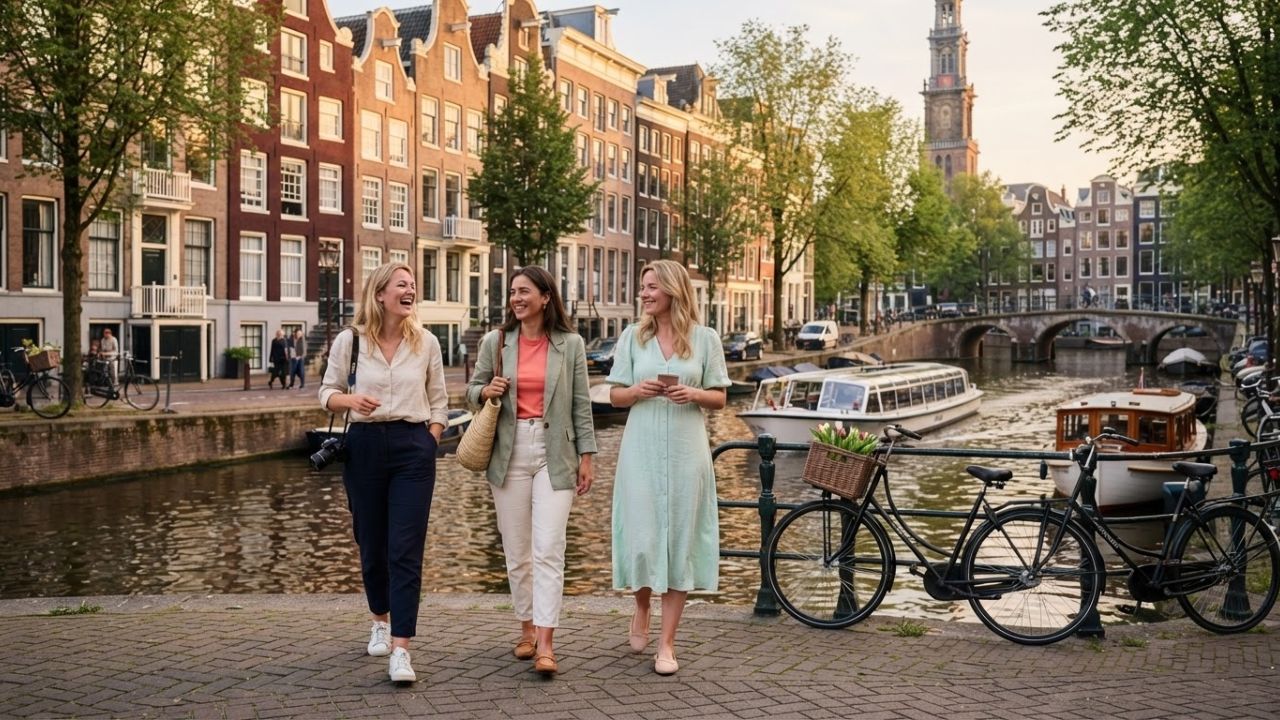
Image generated by AI
Outbound passenger flows from the Netherlands have reached historic peaks on August 10, 2026, driven by rising aviation connectivity and strong seasonal demand for Mediterranean and European travel corridors.
Aviation Expansion and Outbound Holiday Mobility
The Netherlands tourism sector continues to benefit from strong international travel connections with major European and Mediterranean destinations. In 2026, travel activity between the Netherlands and countries such as Spain, Greece, Portugal, and Türkiye highlights the strength of cross-border tourism demand, aviation links, and holiday mobility across Europe. The latest outbound travel performance data shows that Dutch travelers generated significant tourism activity across these destinations, with Spain recording 2,255,334 Dutch visitors, Türkiye welcoming 509,783, Portugal receiving 335,608, and Greece recording 74,200 visitors during the reported periods.
These movements demonstrate the scale of tourism relationships that support airlines, travel agencies, accommodation providers, and international tourism networks connected with the Netherlands. Strong travel demand between countries creates wider economic opportunities. It supports flight connectivity, encourages international travel partnerships, and strengthens the Netherlands’ position as a major European tourism hub.
To understand the trajectory of outbound travel, a review of the regional metrics is essential. The following data table details the exact visitor counts and growth rates recorded across the four primary country connections:
| Country Connection | Dutch Traveler Activity 2026 | Growth Rate | Reported Time Period |
|---|---|---|---|
| Spain | 2,255,334 visitors | +2.7% | January – June 2026 |
| Türkiye | 509,783 visitors | +1.1% | January – June 2026 |
| Portugal | 335,608 visitors | +2.1% | January – June 2026 |
| Greece | 74,200 visitors | +22.8% | January – March 2026 |
Spain and Portugal Fueling Outbound Leisure Corridors
Spain represents the strongest tourism connection among the analyzed markets. Dutch visitors to Spain reached 2,255,334 during January–June 2026, increasing by 2.7% compared with 2025. This strong travel relationship benefits the wider Netherlands tourism ecosystem because Spain remains one of Europe’s most connected aviation markets. High passenger movement between the two countries supports airport operations, airline networks, travel companies, and international tourism flows. Amsterdam remains one of Europe’s most important tourism gateways. Strong connections with Spanish cities help maintain demand for international travel services linked with the Netherlands, including flights, travel planning, accommodation bookings, and cultural tourism products.
Similarly, Portugal recorded 335,608 Dutch visitors between January and June 2026, growing by 2.1% year on year. The relationship between Portugal and the Netherlands reflects strong European leisure travel demand. Portugal’s popularity among Dutch travelers supports continued aviation links and tourism cooperation between both destinations. For the Netherlands, strong Portugal connections contribute to a wider European tourism network. International mobility helps travel companies develop broader holiday products and strengthens the role of Dutch airports as international gateways.
For Spanish and Portuguese visitors exploring the Netherlands, interest remains high in Amsterdam’s historic canal district, the Rijksmuseum, the Van Gogh Museum, and the modern architecture of Rotterdam. Tourism spending from these Mediterranean visitors supports accommodation providers, restaurants, and local transport networks, creating a balanced, two-way economic corridor.
Greece and Türkiye Driving Cultural and Family Travel Ties
Greece recorded the highest percentage growth in Dutch travel demand among the listed destinations. Dutch visitors increased to 74,200 during January–March 2026, representing a 22.8% rise compared with the previous year. Although Greece is a smaller market compared with Spain, the rapid increase highlights growing tourism connections between the Netherlands and Mediterranean destinations. These connections support tourism exchanges that benefit both countries. Dutch travelers increasingly combine leisure travel with cultural exploration, while Greece’s strong heritage tourism reputation creates opportunities for continued international mobility.
Furthermore, Türkiye remained one of the largest tourism markets connected with the Netherlands, with 509,783 Dutch visitors recorded between January and June 2026, showing growth of 1.1%. The Netherlands and Türkiye share strong tourism, cultural, and social connections. These links support regular travel for leisure, family visits, business activities, and cultural experiences. Dutch tourism connections with Türkiye also contribute to wider international mobility networks. These links support airlines, travel companies, and tourism businesses operating between both countries.
Inbound visitors from Greece and Türkiye to the Netherlands are highly attracted to cultural destinations that offer history and architecture, such as Leiden’s historic university environment, Delft’s heritage attractions, Utrecht’s medieval city center, and The Hague’s international institutions. This visitor activity generates significant demand for local hotels, guided tours, and regional transport networks.
Transit Insider: Canal Etiquette, Local Herring, and Regional Escapes
For travelers transiting through the Netherlands or planning an urban city break, understanding local protocols and custom travel strategies ensures a seamless visit:
- Cycling and Canal Etiquette: The Netherlands operates a highly organized cycling infrastructure. Always stay within the designated red cycle lanes, avoid walking on them, and signal your turns. When exploring Amsterdam's canals, respect local residents by keeping noise levels low, especially during evening hours.
- Peak and Off-Peak Windows: Consider traveling during the shoulder seasons of mid-April to mid-May (for the tulip blooms) or September to October. During these periods, visitor density at popular museums is lower, and the weather remains mild.
- Culinary Specialties: Seek out authentic Dutch delicacies. Try raw herring (haring) served with onions and pickles at traditional street carts, warm caramel stroopwafels, or bitterballen (savory deep-fried meatballs) paired with local craft beer.
- Explore Regional Towns: Reduce pressure on Amsterdam by taking NS Dutch Railways trains to historic nearby cities. Haarlem is just 15 minutes away, while Delft and Utrecht offer medieval canals and quieter heritage quarters.
Promoting Regional Overtourism Mitigation and Long-Term Resilience
The 2026 travel data demonstrates that international tourism relationships remain essential for the Netherlands. Spain, Greece, Portugal, and Türkiye represent important European and Mediterranean connections that strengthen travel mobility, aviation networks, and tourism cooperation. The Netherlands Board of Tourism & Conventions (NBTC) is focusing its strategic efforts on encouraging regional exploration to manage overtourism in the capital. By promoting destinations beyond Amsterdam, authorities aim to distribute economic benefits equitably.
Furthermore, a key focus is placed on eco-friendly transport options, encouraging international visitors to utilize the country's extensive rail and cycling infrastructure. Supporting local accommodation providers and regional tour operators helps protect the cultural heritage of historic provinces. This transition toward sustainable, low-impact travel ensures that the tourism sector can support domestic economies without compromising the quality of life for residents.
Ultimately, maintaining a diverse international tourism ecosystem supports long-term economic resilience. Frequent travel between countries strengthens airline routes, stabilizes hotel occupancy, and supports cultural institutions. By choosing to explore quieter regional hubs and using public transport, visitors play a direct role in securing the Netherlands' sustainable tourism future.
FAQ: Netherlands Outbound Travel 2026
Which country recorded the highest growth in Dutch traveler demand in H1 2026?
Greece recorded the highest percentage growth in Dutch travel demand, with a 22.8% year-on-year increase during the January–March 2026 period.
How many Dutch visitors traveled to Spain in the first half of 2026?
Spain welcomed 2,255,334 Dutch visitors between January and June 2026, representing a 2.7% growth compared with the previous year.
What is the strategic focus of the Netherlands Board of Tourism & Conventions?
The NBTC is focusing on mitigating overtourism in Amsterdam by promoting regional travel to historic cities like Utrecht, Delft, and Haarlem using the rail network.
Related Travel Guides
Qatar Airways Issues Scam Alert to Warn Passengers Against Fraudulent Accounts
Colombia Magnitude 6.8 Earthquake Shakes Western Region and Triggers Travel Safety Checks
Netherlands Board of Tourism Outlines New Guidelines to Combat Overtourism in Historic Canals
Disclaimer
This article is for informational and educational purposes only. It does not constitute legal, financial, or professional advice. While we strive to provide accurate and up-to-date information, travel policies, regulations, and conditions change rapidly. Always verify information with official sources before making travel decisions. Nomad Lawyer makes no representations about the accuracy, reliability, completeness, or suitability of the information provided. Readers should consult qualified professionals for advice specific to their circumstances. The views expressed in this article are those of the author and do not necessarily reflect the views of Nomad Lawyer.