
Nepal Tourism Surge 2026: Southeast Asian Arrivals Top 50,000 as Bangkok Hubs Drive Growth
Nepal reports a record-breaking influx of international visitors in 2026, with over 50,000 travellers arriving via Bangkok and other Southeast Asian hubs, driven by liberalized aviation agreements.

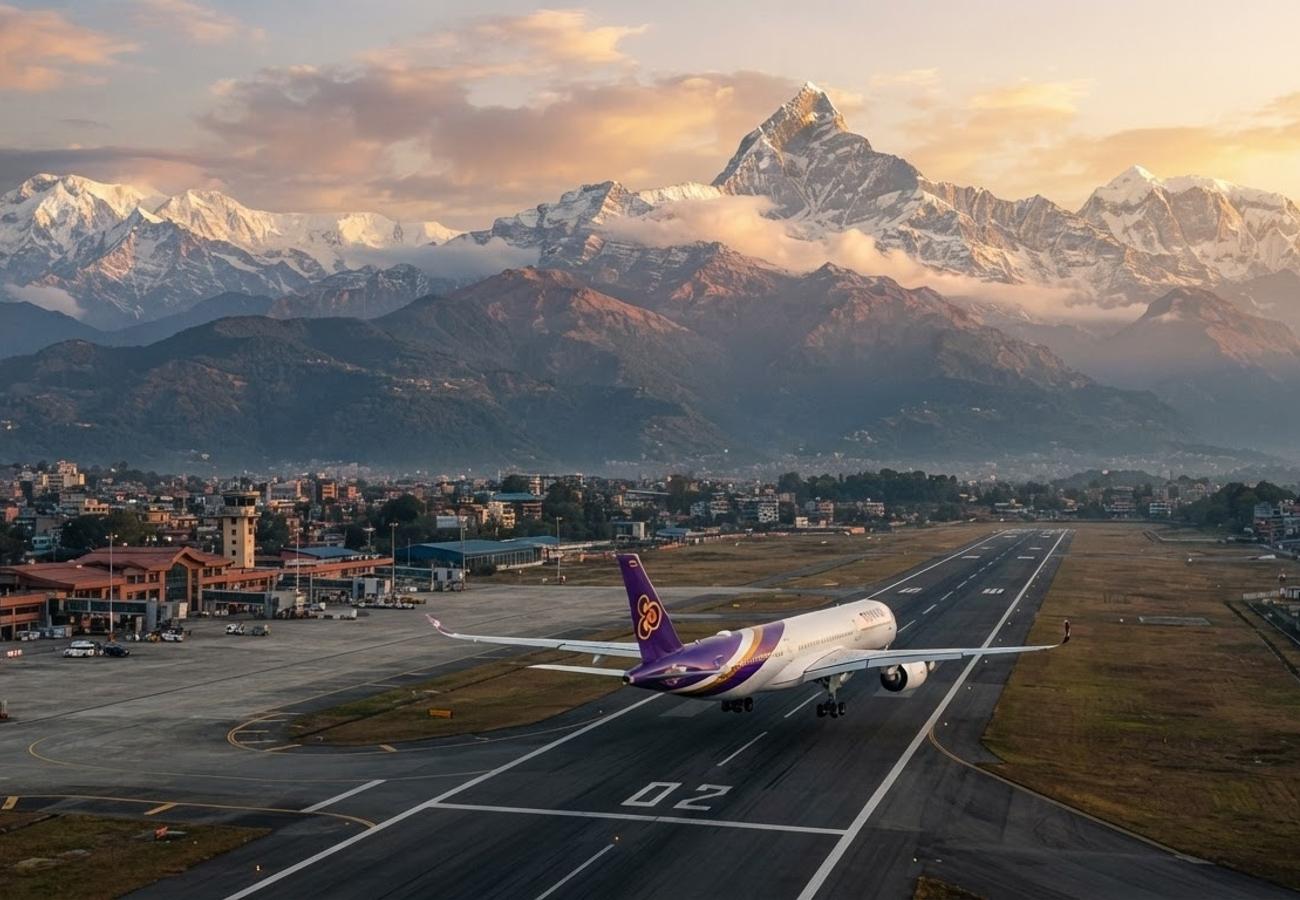
Image generated by AI
Nepal has recorded an unprecedented surge in international arrivals for 2026, with over 50,000 visitors originating from or transiting through Bangkok and other Southeast Asian hubs. This spike marks a structural shift in Himalayan tourism, moving beyond traditional Western and Indian markets.
Regional Tourism Expansion and Aviation Drivers
Data verified by the Department of Immigration Nepal on August 24, 2026, confirms that the nation is exceeding its pre-pandemic baseline of 1.19 million visitors. The first seven months of 2026 saw 692,887 international arrivals, representing a 7% increase over the same period in 2025.
Our analysis indicates that the growth is heavily concentrated in the "Other Asia" corridor. Bangkok’s Suvarnabhumi Airport, Kuala Lumpur International Airport, and Singapore Changi Airport now function as primary funnels for travellers from Australia, Japan, South Korea, and the Americas entering Nepal.
The Nepal Tourism Board (NTB) and the Ministry of Culture, Tourism and Civil Aviation (MoCTCA) have facilitated this growth through bilateral aviation agreements. These policies reduced landing tariffs and increased flight frequencies for carriers including Thai Airways, Thai Lion Air, and Nepal Airlines.
Flight and Arrival Impact Breakdown
The decentralization of air traffic is a key strategic move to reduce congestion at Kathmandu’s Tribhuvan International Airport.
- Primary Hubs: Increased direct and transit traffic via Bangkok, Kuala Lumpur, and Singapore.
- Regional Airport Integration: Operational upgrades at Gautam Buddha International Airport (Bhairahawa) and Pokhara Regional International Airport allow tourists to bypass the capital.
- Monthly Arrival Data (Jan–July 2026):
- January: 92,573
- February: 105,441
- March: 120,516
- April: 107,934
- May: 102,626
- June: 91,363 (19.5% year-on-year growth)
- July: 71,775
- Market Share: SAARC nations (primarily India) account for 45% to 50% of traffic, while "Other Asia" (China, Thailand, Japan, South Korea, Malaysia) now comprises 17% to 25% of monthly arrivals.
Passenger Rights & Advisory
For the affected passenger traveling to Nepal via Southeast Asian hubs, the increase in flight frequencies and the use of multiple international airports change the logistical landscape.
Rebooking and Delay Rights Our analysis of current aviation policies suggests that passengers transiting through Bangkok or Singapore are protected by the carrier's home-country regulations and international treaties. If a connecting flight to Kathmandu is cancelled:
- Duty of Care: Airlines are generally required to provide meals and communication. If an overnight stay is required, hotel accommodation should be provided.
- Rebooking: Passengers are entitled to be re-routed to their final destination at the earliest opportunity.
Entry and Visa Logistics The Nepalese government has streamlined the e-Visa and Visa-on-Arrival processes. To avoid bottlenecks at immigration:
- Recommendation: Use the official e-Visa portal prior to departure to ensure a frictionless entry experience.
- Regional Entry: Travellers visiting the Lumbini Buddhist circuit should check for direct flights into Gautam Buddha International Airport to save significant transit time.
Industry Analyst View
The shift toward Southeast Asian markets is a strategic hedge against seasonal volatility. Historically, Nepal relied on the autumn trekking window (September–November). However, the 2026 data shows that summer arrivals are defying historical lows, with June 2026 surpassing the June 2019 benchmark of 74,883 arrivals.
The demographic shift is also economically significant. Travellers from Southeast Asian hubs demonstrate a higher daily spending average, prioritizing luxury accommodations and private guided tours over budget overland travel. This increases the per-capita yield for the Nepalese service industry, moving the economy toward high-value tourism rather than high-volume budget travel.
Nepal is successfully transitioning from a niche mountaineering destination to a diversified global tourism hub.
Related Travel Guides
Disclaimer
This article is for informational and educational purposes only. It does not constitute legal, financial, or professional advice. While we strive to provide accurate and up-to-date information, travel policies, regulations, and conditions change rapidly. Always verify information with official sources before making travel decisions. Nomad Lawyer makes no representations about the accuracy, reliability, completeness, or suitability of the information provided. Readers should consult qualified professionals for advice specific to their circumstances. The views expressed in this article are those of the author and do not necessarily reflect the views of Nomad Lawyer.
Naina Thakur
Contributor & Travel Specialist
Travel enthusiast and legal writer covering visa regulations, responsible tourism, and cultural journeys across global destinations.
Learn more about our team →