
Nepal Airlines to Establish Bhairahawa Operating Base at Gautam Buddha International Airport in 2026
Nepal Airlines plans to launch a strategic operating base at Gautam Buddha International Airport in Bhairahawa to decentralize aviation from Kathmandu and boost Lumbini tourism.

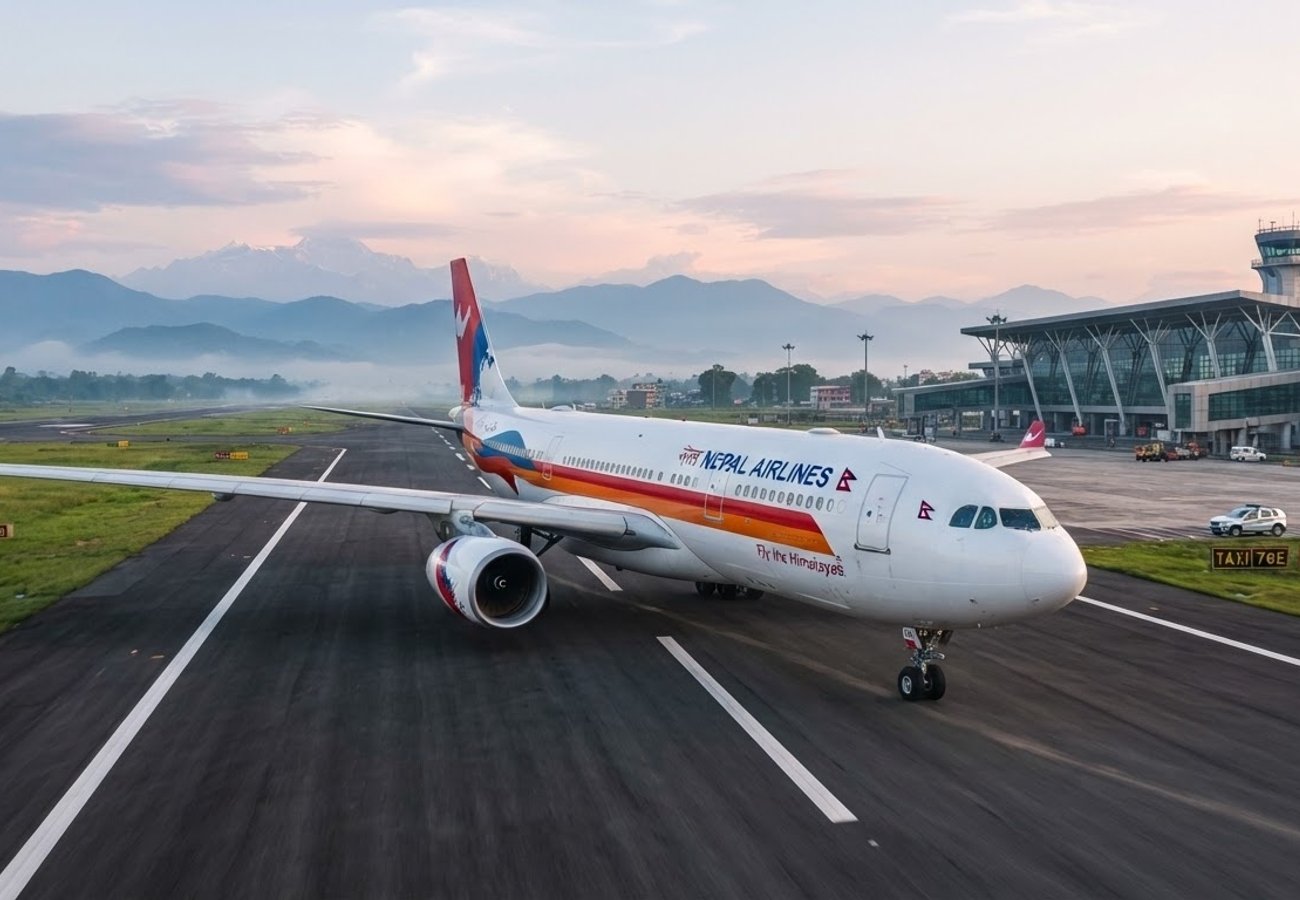
Image generated by AI
Nepal Airlines is preparing to shift strategic operations to Gautam Buddha International Airport in Bhairahawa. This move aims to dismantle the current reliance on Kathmandu’s Tribhuvan International Airport and create a direct global gateway to the Lumbini pilgrimage site.
Strategic Shift to Bhairahawa Operating Base
Nepal Airlines is initiating plans to establish a formal operating base at Gautam Buddha International Airport (GBIA) in Bhairahawa. This transition involves the deployment of aircraft, technical resources, and personnel directly to western Nepal, moving away from the centralized model where all international traffic is routed through the capital.
Our analysis indicates that this move is designed to address the chronic congestion at Tribhuvan International Airport in Kathmandu. By positioning assets in Bhairahawa, the national carrier can facilitate direct international services, reducing the transit burden on passengers and optimizing fleet utilization across the country.
Current preparations include the integration of training activities and the development of ground-handling infrastructure to support a permanent airline presence.
Airport Impact and Infrastructure Breakdown
Gautam Buddha International Airport has been operational for international flights since 2022, yet it has struggled to maintain consistent traffic volumes. The establishment of a national carrier base is expected to stabilize operations.
- Primary Hub: Gautam Buddha International Airport (Bhairahawa).
- Strategic Objective: Transition GBIA from a secondary facility to a primary international gateway.
- Target Markets: High-growth Buddhist tourism sectors in India, China, Japan, South Korea, Thailand, and Sri Lanka.
- Operational Focus: Direct international arrivals to bypass the Kathmandu-to-Bhairahawa road transit.
- Key Logistics: Implementation of new cross-border air entry routes currently under negotiation between Nepal and India.
Passenger Rights & Advisory: Navigating the Transition
For the affected passenger, the shift toward a Bhairahawa-centric model changes the logistics of visiting western Nepal. Instead of the traditional route (International Flight $\rightarrow$ Kathmandu $\rightarrow$ Domestic Flight/Road $\rightarrow$ Lumbini), travelers can now look for direct entries into GBIA.
Rebooking and Compensation Rights Our analysis of aviation policy suggests that passengers transitioning during this operational shift should be aware of the following:
- Flight Diversions: Should flights be rerouted from Kathmandu to Bhairahawa due to capacity issues, passengers are entitled to assistance and communication under standard aviation guidelines.
- Connectivity Gaps: Passengers booking multi-city tickets involving the new Bhairahawa base should ensure their fares are "protected." If a Nepal Airlines flight is delayed, causing a missed connection, the carrier is generally responsible for rebooking the passenger on the next available flight to their final destination.
- Labor Migrant Rights: For passengers traveling to Gulf nations or other Asian destinations, the shift to a Bhairahawa base reduces the need for expensive and time-consuming domestic transfers to Kathmandu. Passengers should verify if their ticket allows for "point-of-origin" changes to Bhairahawa to save on transit costs.
Industry Analyst View: Decentralizing Nepal's Skies
The move to Bhairahawa is a calculated attempt to balance Nepal's aviation network. For years, the "single-gateway" dependency on Kathmandu has created a bottleneck that hindered tourism growth in the western provinces.
The success of this base depends entirely on the resolution of air entry route disputes with India. Without streamlined cross-border corridors, international airlines will remain hesitant to commit to GBIA. However, by having the national carrier lead the way, Nepal is creating a "proof of concept" to attract foreign carriers.
From an economic perspective, this is not merely an aviation update but a regional development strategy. By bringing the "front door" of the country closer to Lumbini, Nepal is targeting high-spending spiritual tourism markets that previously found the journey from Kathmandu too arduous.
The transition to a multi-hub system marks the beginning of a more resilient aviation infrastructure for Nepal.
Related Travel Guides
Disclaimer
This article is for informational and educational purposes only. It does not constitute legal, financial, or professional advice. While we strive to provide accurate and up-to-date information, travel policies, regulations, and conditions change rapidly. Always verify information with official sources before making travel decisions. Nomad Lawyer makes no representations about the accuracy, reliability, completeness, or suitability of the information provided. Readers should consult qualified professionals for advice specific to their circumstances. The views expressed in this article are those of the author and do not necessarily reflect the views of Nomad Lawyer.
Preeti Gunjan
Contributor & Community Manager
A passionate traveller and community builder. Preeti helps grow the Nomad Lawyer community, fostering engagement and bringing the reader experience to life.
Learn more about our team →