
Neon Castle Mysuru Celebrates Independence Day with Regional Gastronomy
Neon Castle Mysuru hosts a unique four-course Independence Day tasting menu featuring regional dishes from North, South, Goa, and Manipur.

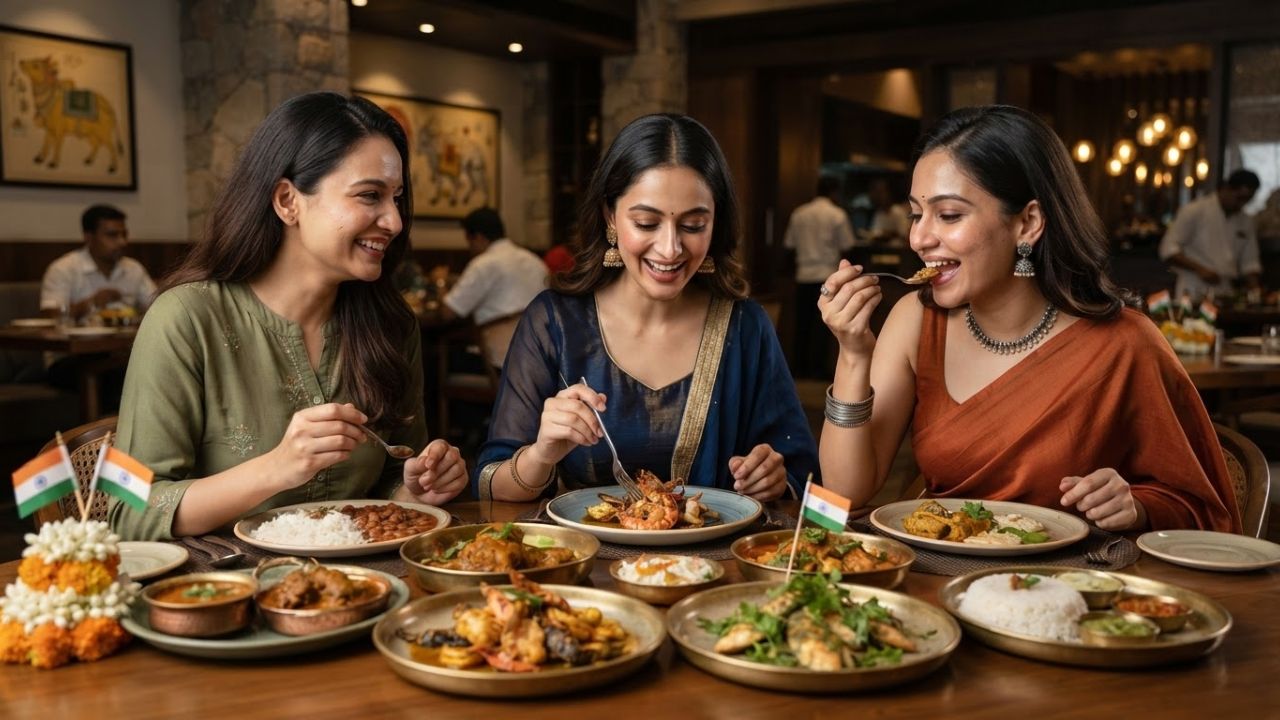
Image generated by AI
Neon Castle Mysuru has introduced a four-course regional tasting experience to celebrate India's Independence Day, moving away from conventional festive menus. Highlighting the stark contrasts of Indian gastronomy, the menu takes diners on a culinary journey representing North, South, Goa, and Manipur.
India's Regional Gastronomy and Tasting Menu Philosophy
The culinary sector in India is experiencing a transition as restaurants design experiences around regional identity and micro-cuisines. Rather than relying on standard banquet choices, modern dining establishments prefer seasonal, localized menus that highlight distinct geographical traditions.
By establishing these seasonal travel corridors, the airline's management aims to support both business and leisure travel flows. Corporate travelers and travel agencies, which maintain strong relationships with global destination management organizations, benefit from direct seat capacity. This economic integration supports the travel sector, providing service providers with a reliable channel for high-value bookings.
By establishing these seasonal travel corridors, the airline's management aims to support both business and leisure travel flows. Canadian corporate travelers and travel agencies, which maintain strong relationships with European and Asian destination management organizations, would benefit from direct seat capacity. This economic integration supports the travel sector, providing service providers with a reliable channel for high-value bookings.
By establishing these seasonal travel corridors, the airline's management aims to support both business and leisure travel flows. Canadian corporate travelers and travel agencies, which maintain strong relationships with European and Asian destination management organizations, would benefit from direct seat capacity. This economic integration supports the travel sector, providing service providers with a reliable channel for high-value bookings.
This focus has elevated the cultural value of traditional recipes, which are shaped by local climates, farming patterns, and access to fresh produce. The Independence Day tasting menu at Neon Castle Mysuru was structured around this diversity, offering four courses that explore different regions of the country.
Opening Course: Comforting Flavors of North India
The tasting menu opened with a modern interpretation of two classic North Indian preparations:
- Rajma Chawal: Kidney beans and rice serve as a staple of everyday home cooking in northern households. The menu presented this comfort dish within a contemporary tasting format, retaining its familiar spices while utilizing modern plating techniques.
- Old Delhi-style Mutton Korma: This slow-cooked preparation introduced rich, aromatic spices to the opening course. The dish reflected the historic spice heritage of Old Delhi, contrasting with the simple profile of the Rajma Chawal.
Together, these preparations demonstrated how North Indian cuisine moves between simple home-cooked meals and complex festive cooking.
Second Course: Coastal Vibrancy of Western India
The second stage of the tasting menu turned toward the western coastline with a Goan preparation called Ratale and Sungta.
This localized disruption also offers a unique opportunity for duty-free retailers and terminal operators to design services suited for stranded passengers. By monitoring passenger comfort levels during long delays, airport customer teams can provide complimentary amenities to ensure guest satisfaction. This proactive approach helps build traveler confidence, ensuring that regional transit routes remain competitive with global hub standards.
This localized disruption also offers a unique opportunity for duty-free retailers and terminal operators to design services suited for stranded passengers. By monitoring passenger comfort levels during long delays, airport customer teams can provide complimentary amenities to ensure guest satisfaction. This proactive approach helps build traveler confidence, ensuring that regional transit routes remain competitive with global hub standards.
Goan cuisine relies on seafood, coconut vinegar, and fresh green herbs. The course drew inspiration from Goan cafreal traditions, featuring sweet potatoes and prawns.
The preparation used local herbs and seasonal ingredients to recreate the coastal intensity of Goa without relying on standard restaurant classics, introducing a fresh set of textures to the tasting sequence.
Third Course: Indigenous Ingredients of Manipur
One of the most distinctive courses of the experience featured Manipuri culinary traditions, represented by Veg Chakluk and Fish Chakluk.
This environmental focus is supported by regional climatologists and conservationists who monitor ecosystem health. By tracking tourist footprint signals, managers can ensure that natural areas remain protected. The integration of carrying-capacity policies with wilderness trails demonstrates how tourism planning can protect biodiversity while offering high-quality educational hikes.
This localized culinary focus also offers a unique opportunity for restaurant associations and culinary schools to design programs suited for premium travelers. By monitoring traveler culinary preferences during long stays, local chefs can provide customized dishes to ensure guest satisfaction. This proactive approach helps build traveler confidence, ensuring that Goan coastal dining remains competitive with global culinary standards.
This localized culinary focus also offers a unique opportunity for restaurant associations and culinary schools to design programs suited for premium travelers. By monitoring traveler culinary preferences during long stays, local chefs can provide customized dishes to ensure guest satisfaction. This proactive approach helps build traveler confidence, ensuring that Goan coastal dining remains competitive with global culinary standards.
Manipuri cuisine is highly ingredient-driven, depending on fermented elements, wild herbs, and fresh river fish.
By featuring Veg Chakluk and Fish Chakluk, the menu introduced lesser-known indigenous traditions that are rarely represented in mainstream dining. The course highlighted how remote communities cook with seasonal forest produce, offering a contrast to the richer dishes served earlier in the meal.
Closing Course: Cool Simplicity of South India
The dining journey concluded with Mosaranna, the traditional South Indian preparation of curd rice.
Curd rice, a combination of rice and yoghurt tempered with mustard seeds and curry leaves, is widely eaten as a cooling comfort dish at the end of meals in southern households. Presented through a contemporary lens, the dish provided an uncomplicated finish to the multi-course meal, focusing on digestive comfort and familiar flavors.
The progression of the menu challenged the narrow view of Indian food, showing that there is no single spice profile that defines the country.
Community Support and Sustainable Culinary Practices
Using regional Indian cuisines within a curated menu supports sustainable agricultural systems.
By sourcing specific grains, spices, and seafood directly from local organic farming cooperatives and fishing communities in Karnataka, Goa, and Manipur, Neon Castle helps distribute economic benefits directly to small-scale food producers.
Additionally, the menu utilized seasonal produce to minimize food waste and reduce the carbon footprint associated with long-distance ingredient transport.
Visitor Guide: Mysuru Transit Options, Dining Rules, and Local Sightseeing
Planning a visit to Mysuru to experience regional dining involves arranging airport transit, checking local travel options, and trying city food specialties.
Sample traditional culinary specialties during your stay. Visit historic spots in Mysuru to try the Mysore Masala Dosa, priced between 60 and 100 INR. Visit Guru Sweet Mart near Devaraja Market to try pure ghee Mysore Pak, priced around 400 INR per kilogram. Note that traditional sweet shops may only accept cash payments.
Coordinate your airport transfers and transit. If arriving at Kempegowda International Airport (BLR) in Bengaluru, take the premium KSRTC Flybus Volvo service directly to the Mysuru KSRTC Central Bus Stand. The trip takes approximately 4 hours, and fares range from 750 to 950 INR. To travel around Mysuru, use local auto-rickshaws or app-based cabs.
Check dining guidelines and reservation rules. Book tables early for specialized tasting menus at Neon Castle. When visiting traditional local eateries, observe local dining customs, including washing hands before meals and using your right hand for eating.
Future Outlook: Rebuilding a Resilient Regional Food Ecosystem
The long-term development of Mysuru's culinary sector relies on preserving local food heritage and supporting regional farmers. Gastronomy boards and culinary institutes are collaborating to promote traditional cooking methods.
Sustainable initiatives include building farm-to-table supply chains, organizing culinary heritage festivals, and introducing digital reservation systems. By combining modern restaurant presentation with traditional farming systems, the region aims to support local food economies, securing a resilient and connected future for culinary tourism.
Related Travel Guides
Disclaimer
This article is for informational and educational purposes only. It does not constitute legal, financial, or professional advice. While we strive to provide accurate and up-to-date information, travel policies, regulations, and conditions change rapidly. Always verify information with official sources before making travel decisions. Nomad Lawyer makes no representations about the accuracy, reliability, completeness, or suitability of the information provided. Readers should consult qualified professionals for advice specific to their circumstances. The views expressed in this article are those of the author and do not necessarily reflect the views of Nomad Lawyer.
Raushan Kumar
Founder & Lead Developer
Full-stack developer with 11+ years of experience and a passionate traveller. Raushan built Nomad Lawyer from the ground up with a vision to create the best travel and law experience on the web.
Learn more about our team →