
Navy Little Known: Why F/A-18 Super Hornets Still Deploy Alongside F-35C Fighters
The US Navy strategically deploys F/A-18 Super Hornets alongside F-35C fighters in 2026 based on mission requirements, availability, and inter-service coordination rather than capability alone.

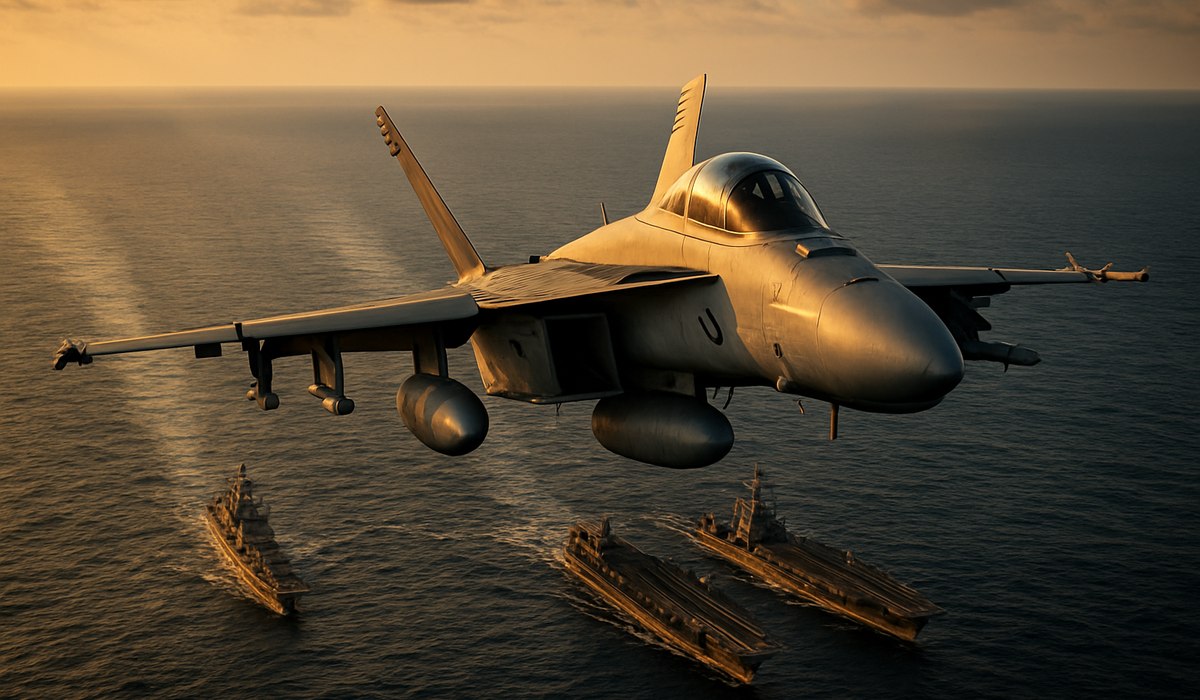
Image generated by AI
Naval Aviation Strategy: Understanding Navy Little Known Deployment Patterns
The US Navy's choice between fighter aircraft extends far beyond technological capability. Commanders deploy F/A-18 Super Hornets and F-35C Lightning II fighters based on mission-specific requirements, fleet availability, and coordination with allied air branches. This strategic flexibility—rarely understood by aviation enthusiasts—shapes carrier strike group composition and operational readiness across global deployment zones. The decision-making process reflects decades of naval aviation doctrine where the right aircraft for the right mission supersedes flashy specifications.
Multiple operational factors influence whether a carrier strike group launches F/A-18s or F-35Cs on any given sortie. These considerations range from logistical constraints to joint-service coordination requirements that demand particular platform capabilities unavailable in newer aircraft.
Why The Navy Uses Both Aircraft Systems
The navy little known reality involves recognizing that aircraft selection isn't monolithic. The F/A-18 Super Hornet, produced by Boeing since 1995, offers proven reliability and multi-role flexibility. The F-35C Lightning II, Lockheed Martin's fifth-generation platform, provides stealth capabilities and advanced sensor fusion unmatched in legacy systems.
However, the F-35C program continues experiencing sustained limitations. Production delays, ongoing software integration challenges, and component availability issues mean the Navy cannot always deploy desired quantities. Additionally, certain command structures and allied partnerships require platform interoperability that F/A-18s provide more consistently.
The navy little known factor includes maintenance schedules, pilot training cycles, and weapons load requirements. Some missions demand specific munitions compatibility or electronic warfare suites better integrated into Super Hornet airframes. Intelligence-gathering operations, close air support coordination with ground forces, and training missions frequently favor the proven Super Hornet platform over experimental F-35C configurations.
Mission Type Determines Aircraft Selection
Different operational objectives mandate different platforms. Navy little known deployment strategies assign aircraft based on specific mission parameters.
Air-to-air combat missions increasingly favor F-35C stealth advantages. However, air-to-ground strike packages, electronic warfare suppression, and naval strike operations often leverage Super Hornet superior loiter times and external payload capacity. Close air support coordination with Marine Corps units typically requires the F/A-18's established communication protocols and proven accuracy records.
Training missions almost exclusively use F/A-18s, preserving F-35C operational status for higher-priority engagements. Airspace denial operations, where the Navy must establish presence without guaranteed combat, frequently deploy Super Hornet squadrons due to lower operational costs and maintenance overhead.
The navy little known reason commanders choose F/A-18s frequently involves mission duration. Carrier operations demand aircraft capable of sustained patrol patterns. The Super Hornet's operational endurance and proven in-flight refueling efficiency support extended theater operations that F-35C infrastructure cannot yet sustain at identical capability levels.
Availability And Operational Readiness Factors
Fleet readiness determines actual deployment composition more consistently than strategic planning documents suggest. On any given day, carrier strike group commanders work with available platforms rather than ideal configurations.
The navy little known truth about naval aviation involves recognizing that aircraft production, maintenance cycles, and pilot training windows create persistent availability constraints. The Navy currently maintains fewer F-35C airframes than Super Hornets across all active duty squadrons. This numerical disparity alone requires continued reliance on mature F/A-18 platforms.
Maintenance scheduling cycles differ dramatically between platforms. F-35C systems demand specialized technician certification, depot-level repairs, and software updates that extend downtime windows. Super Hornets, benefiting from three decades of operational maturity, support distributed maintenance protocols and reduced technical specialist requirements.
Pilot training represents another critical availability factor. The Navy must continue rotating experienced Super Hornet aviators through advanced positions and training commands. Loss of institutional knowledge would jeopardize fleet operations, necessitating continued Super Hornet deployments alongside F-35C integration efforts.
Inter-Service Coordination Requirements
Joint operations with Air Force units, Army aviation assets, and allied partner nations create coordination complexities that influence aircraft selection. The navy little known dimension involves understanding how inter-service standardization drives deployment decisions.
Air Force strike packages often integrate Navy carriers into broader theater operations. These coordination requirements sometimes demand platform commonality that Navy F/A-18s share with Air Force F-15E Strike Eagles. Unified command structures require communication protocols and tactical procedures optimized for proven interoperability.
Allied partnerships with nations flying legacy fighter systems create additional constraints. Many NATO allies operate F/A-18 variants or similar platforms. Joint operations training, tactical integration, and supply chain compatibility frequently favor continuing Super Hornet deployments alongside allied air forces.
The navy little known coordination factor extends to intelligence sharing protocols. F-35C sensor data requires compartmented security protocols that some allied partners cannot access. Situations involving allied force participation sometimes necessitate Super Hornet platforms operating independently or in non-integrated configurations.
Key Deployment Data Summary
| Factor | F/A-18 Super Hornet | F-35C Lightning II | Impact on Selection |
|---|---|---|---|
| Production Status | 500+ operational | 150+ operational | Availability favors Super Hornet |
| Maintenance Cycles | 3-5 hours per flight hour | 8-12 hours per flight hour | Extended readiness for Super Hornet |
| Operational Endurance | 3.5+ hours loiter | 2.5-3 hours loiter | Duration missions prefer Super Hornet |
| Allied Commonality | 40+ nations operate F/A-18 variants | 10 nations approved for F-35 data | Inter-service coordination favors Super Hornet |
| Multi-Role Capability | Full air-to-ground weapons suite | Limited external ordnance | Mission flexibility favors Super Hornet |
| Stealth Advantage | Minimal RCS reduction | Fifth-generation stealth | Air dominance missions favor F-35C |
What This Means For Travelers
While fighter aircraft deployment patterns don't directly affect commercial aviation, understanding naval readiness provides context for geopolitical stability and international route security.
Actionable insights for travelers:
-
Monitor carrier strike group deployment schedules through official Navy announcements to understand regional naval presence changes that affect maritime routes.
-
Review international travel advisories updated when naval operations transition to new operational tempos in your destination regions.
-
Understand that naval aviation modernization cycles (including F-35C integration) occasionally impact international exercises affecting airspace closures near carrier strike groups.
-
Recognize that allied coordination requirements ensure NATO partners maintain interoperable defense capabilities supporting broader international security frameworks.
-
Check FAA notices and US DOT travel alerts before booking flights through regions with active naval operations.
Frequently Asked Questions
Why doesn't the Navy replace all F/A-18s with F-35Cs immediately?
Production constraints, maintenance infrastructure limitations, and ongoing F-35C software integration challenges prevent rapid fleet transition. The Navy operates hundreds of Super Hornets while maintaining fewer than 200 operational F-35Cs. Complete replacement would require a decade-long transition period that strategic planners view as operationally unacceptable.
Do F-35Cs perform better than F/A-18 Super Hornets in all situations?
F-35Cs excel in stealth, sensor fusion, and air dominance roles. However, F/A-18 Super Hornets provide superior loiter time, external payload capacity, and proven reliability in close air support missions. Aircraft selection depends on mission requirements, not universal capability rankings.
**How does the navy little known deployment strategy affect
Disclaimer
This article is for informational and educational purposes only. It does not constitute legal, financial, or professional advice. While we strive to provide accurate and up-to-date information, travel policies, regulations, and conditions change rapidly. Always verify information with official sources before making travel decisions. Nomad Lawyer makes no representations about the accuracy, reliability, completeness, or suitability of the information provided. Readers should consult qualified professionals for advice specific to their circumstances. The views expressed in this article are those of the author and do not necessarily reflect the views of Nomad Lawyer.
Kunal K Choudhary
Co-Founder & Contributor
A passionate traveller and tech enthusiast. Kunal contributes to the vision and growth of Nomad Lawyer, bringing fresh perspectives and driving the community forward.
Learn more about our team →