
Navy Aircraft Nuclear Carrier Fire: 28 Sailors Lost in USS Enterprise CVN-65 Disaster
In 1969, a catastrophic navy aircraft nuclear incident aboard USS Enterprise CVN-65 claimed 28 lives. A single Zuni rocket explosion triggered 18 cascading blasts, nearly destroying the Navy's first nuclear-powered carrier during Vietnam War preparations near Pearl Harbor.

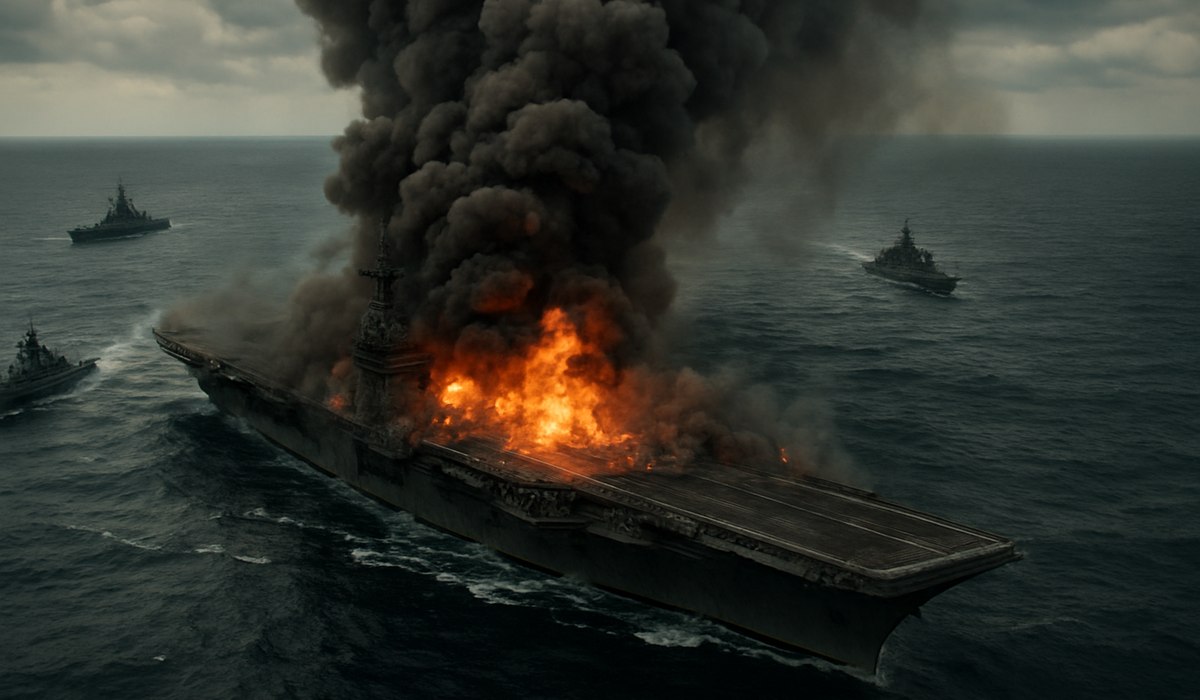
Image generated by AI
A Nuclear Warship's Darkest Hour
USS Enterprise (CVN-65), the world's first nuclear-powered aircraft carrier, faced its gravest threat not from enemy action but from a preventable accident on January 14, 1969. A single Zuni rocket explosion near Pearl Harbor, Hawaii, ignited 18 successive blasts that killed 28 sailors and nearly sent the Navy's flagship to the ocean floor. The fire consumed 15 hours of desperate firefighting and exposed critical vulnerabilities in navy aircraft nuclear carrier operations during the Vietnam War era. This tragedy transformed naval safety protocols and remains a sobering reminder of the dangers inherent in operating advanced military vessels.
The USS Enterprise: A Storied Naval Legacy
The USS Enterprise name carries profound significance in United States naval history. The original CV-6, nicknamed "Big E," earned distinction as the most decorated warship of World War II. Her air wing downed over 900 enemy aircraft while helping sink or damage more than 260 vessels, including participation in the pivotal Battle of Midway. CVN-65, commissioned in 1961, represented the Navy's technological leap forward as the first nuclear-powered aircraft carrier ever built. Unlike conventional carriers, this vessel could operate for decades without refueling, extending operational range and capability. The carrier achieved remarkable longevity, remaining in service until 2012 and never succumbing to combat or catastrophe—though the 1969 fire tested that resilience to its breaking point.
The January 1969 Fire: What Happened
On January 14, 1969, USS Enterprise (CVN-65) operated approximately 70 nautical miles southwest of Pearl Harbor, conducting final battle drills and an Operational Readiness Inspection before deploying to Southeast Asia. At 8:18 a.m. local time, the carrier was executing a port turn into the wind to launch aircraft when disaster struck. A carelessly positioned MD-3A aircraft starter unit, commonly called a "huffer," directed superheated exhaust toward a MK-32 5-inch Zuni rocket mounted on an F-4J Phantom fighter jet. The huffer's exhaust reached 590 degrees Fahrenheit at close range, far exceeding the 358-degree threshold needed to detonate the warhead's 15-pound Composition B explosive charge in approximately 78 seconds. A junior airman apprentice attempted to warn personnel, but the alarm went unheeded amid flight deck noise and activity.
Cascade of Explosions and the Fight for Survival
The initial Zuni warhead detonation unleashed shrapnel that ruptured external fuel tanks and ignited JP-5 jet fuel, creating an immediate conflagration. Within one minute, the remaining three Zuni rockets on the same aircraft exploded in sequence, punching holes through the flight deck and sending burning fuel cascading into lower compartments. This single malfunction triggered an unprecedented chain reaction: 18 separate explosions eventually rocked the carrier. The navy aircraft nuclear vessel's skipper, then-Captain Kent Lee (later Vice Admiral), ordered immediate firefighting responses while managing the catastrophic spread of flames across multiple deck levels. Crews battled the inferno for 15 hours, fighting through thick smoke and explosive hazards to prevent spreading. The crisis threatened the structural integrity of this irreplaceable nuclear warship. Damage extended from the flight deck through the O-3 level, destroying aircraft, ammunition, and equipment valued at millions of dollars.
Aftermath and Naval Safety Lessons
The January 1969 disaster killed 28 sailors and injured 62 others aboard USS Enterprise (CVN-65). The Navy's subsequent investigation identified multiple contributing factors: inadequate safety spacing for support equipment, insufficient hazard awareness training, and unclear communication protocols during high-tempo flight operations. The resulting report implemented stricter regulations for positioning aircraft starter units, enhanced crew notification systems, and mandatory safety briefings for all personnel handling ordnance. Navy aircraft nuclear carrier operations underwent comprehensive review, establishing new standards for ammunition storage, fuel tank placement, and emergency response procedures. These reforms influenced carrier design and operational doctrine for subsequent vessels. The USS Enterprise eventually returned to service, demonstrating the carrier's robust construction and crew competence. Her survival and continued operation validated nuclear carrier technology despite this near-catastrophic incident. Lessons learned from this tragedy continue informing military maritime safety protocols across modern naval fleets.
Key Data Table: USS Enterprise CVN-65 Fire Incident Timeline and Facts
| Metric | Detail |
|---|---|
| Vessel | USS Enterprise (CVN-65), first nuclear-powered aircraft carrier |
| Date | January 14, 1969 |
| Location | 70 nautical miles southwest of Pearl Harbor, Hawaii |
| Time of Initial Explosion | 8:18 a.m. local time (18:18 UTC) |
| Casualties | 28 sailors killed, 62 wounded |
| Zuni Rocket Warhead Explosive | 15 pounds of Composition B (RDX/TNT mixture) |
| Cascade Explosions | 18 total successive blasts |
| Firefighting Duration | 15 hours of continuous operations |
| Trigger Source | MD-3A aircraft starter unit (huffer) exhaust |
| Aircraft Involved | F-4J Phantom fighter with mounted ordnance |
| Damage Level | Massive but not catastrophic to structure |
| Post-Fire Service | Returned to operational status; served until 2012 |
What This Means for Travelers
While military incidents occur far from civilian travel routes, understanding naval history enhances appreciation for ports, museums, and military heritage sites. Consider these actionable insights:
-
Visit Naval History Museums: The USS Enterprise's legacy lives on through exhibits at the Naval History and Heritage Command headquarters in Washington, D.C., and the Naval Base Norfolk visitors center in Virginia, where you can learn maritime safety innovations.
-
Understand Military Logistics: Navy aircraft nuclear carrier operations represent the pinnacle of complex maritime coordination. Visiting public carrier museums demonstrates why safety protocols exist and why crew training matters profoundly.
-
Recognize Industrial Heritage Sites: Newport News Shipbuilding in Virginia, where USS Enterprise underwent final overhaul, offers historical tours explaining modern warship construction and safety systems that influenced global maritime standards.
-
Respect Active Military Zones: When traveling near major naval bases or ports, observe security perimeters and understand that navy aircraft nuclear operations require extensive safety buffers for public protection.
-
Research Military History Before Visits: Learning about significant naval incidents enriches understanding of museum exhibits and preserved vessels you encounter during coastal travels.
Frequently Asked Questions
What caused the USS Enterprise fire in 1969?
An MD-3A aircraft starter unit (huffer) positioned too close to a Zuni rocket on an F-4J Phantom fighter directed 590-degree Fahrenheit exhaust at the warhead, igniting the 15-pound Composition B explosive. Investigation revealed inadequate equipment spacing and insufficient safety protocols.
How many people died in the USS Enterprise fire?
Twenty-eight sailors perished in the disaster, with 62 additional personnel sustaining injuries. The tragedy represented one of the deadliest peacetime naval accidents involving a carrier-class vessel during the Cold War era.
Why didn't the USS Enterprise sink?
Despite massive damage across multiple deck levels, the carrier's robust nuclear construction and compartmentalization prevented catastrophic flooding. Skilled crew response and 15-hour firefighting efforts contained the disaster within manageable areas.
What safety changes resulted from this incident?
The Navy implemented stricter equipment positioning standards, enhanced hazard communication protocols, improved ammunition
Raushan Kumar
Founder & Lead Developer
Full-stack developer with 11+ years of experience and a passionate traveller. Raushan built Nomad Lawyer from the ground up with a vision to create the best travel and law experience on the web.
Learn more about our team →