
Mumbai’s Thane-Borivali Twin Tunnel: Subterranean Shortcut Under Sanjay Gandhi National Park
The Mumbai Metropolitan Region Development Authority constructs the 11.84 km Thane-Borivali Twin Tunnel beneath Sanjay Gandhi National Park, cutting travel times to 12 minutes.

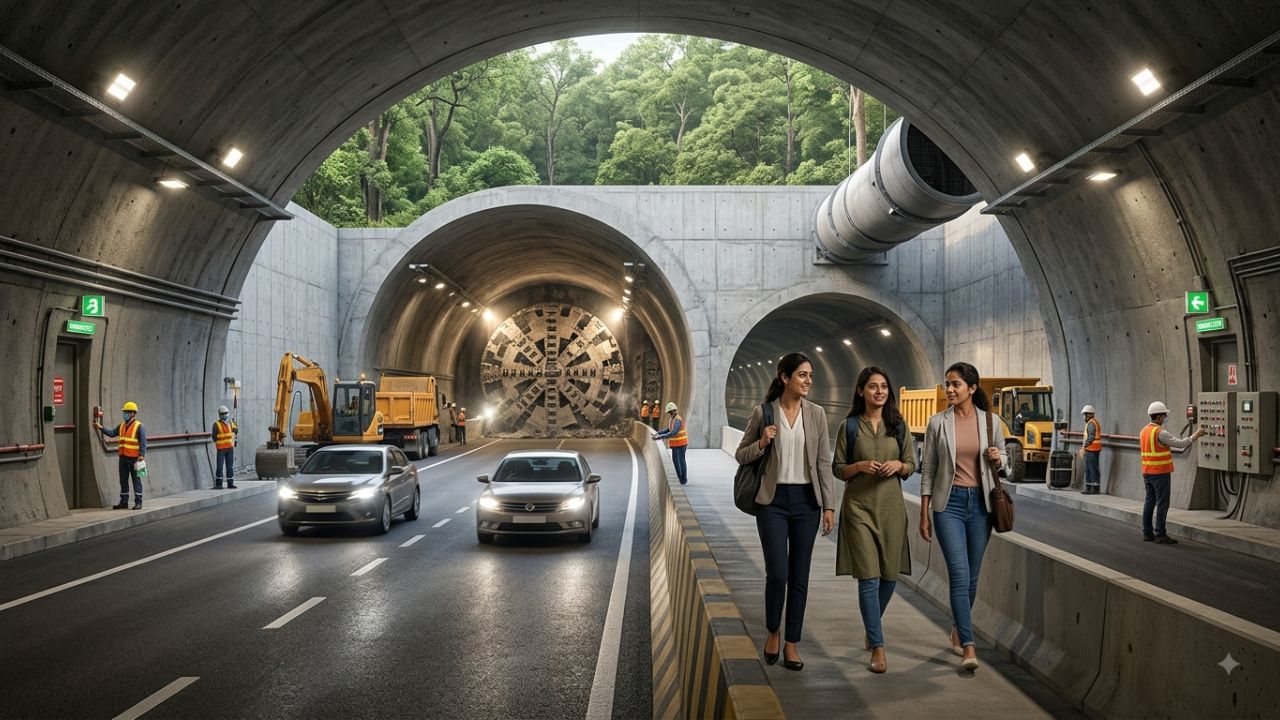
Image generated by AI
The Mumbai Metropolitan Region Development Authority is constructing the 11.84-kilometer Thane-Borivali Twin Tunnel project directly beneath the Sanjay Gandhi National Park, reducing travel times from 90 minutes to under 20 minutes.
The transport grid within the Mumbai metropolitan area faces intense congestion, particularly on routes connecting the eastern suburb of Thane with the western suburb of Borivali. Commuters traveling between these two zones have historically relied on surface roads via Ghodbunder Road or Powai, where travel times regularly range from 60 to 90 minutes. Ghodbunder Road, while scenic as it winds along the Vasai Creek, is a heavily congested freight corridor that frequently sees severe delays due to heavy truck traffic.
The proposed Thane-Borivali Twin Tunnel project, managed by the Mumbai Metropolitan Region Development Authority (MMRDA), represents a targeted solution to this bottleneck. For the visitor, the real impact is an underground route that reduces suburban travel times to a mere 12 to 20 minutes. By bypassing congested surface corridors, this engineering project improves regional mobility, reduces fuel consumption, and improves the overall quality of life for daily commuters, turning a stressful commute into a brief and reliable transit option.
Structural Layout and Technical Innovation of the Twin Tubes
The subterranean road project has a total length of 11.84 kilometers, with 10.25 kilometers excavated directly below Sanjay Gandhi National Park (SGNP). The tunnel alignment starts near Tikujiniwadi in Thane and terminates near Ekta Nagar in Borivali, linking the two regions.
To excavate through the complex geological strata of the Western Ghats, high-capacity Tunnel Boring Machines (TBMs) are deployed. Two primary machines, named Nayak and Arjuna, are used to navigate the underground basalt rock layers, minimizing surface vibrations and protecting the park’s ecological structure. These massive TBMs feature cutter heads that scrape away rock while simultaneously installing pre-cast concrete lining segments. Each tube features a diameter designed to accommodate two main transit lanes and one dedicated emergency lane, ensuring smooth traffic flow and safety. Thousands of metric tonnes of structural steel and high-grade concrete are consumed to reinforce these underground passages.
Regulatory Compliance and Environmental Safeguards
Building a transport corridor beneath a protected national park requires strict compliance with national environmental regulations. The MMRDA has secured necessary clearances from:
- Maharashtra State Board for Wildlife: Approving the underground alignment to ensure zero surface disturbance within the park.
- National Board for Wildlife: Granting permits based on the project's minimal impact on the local ecosystem.
- Forest Department of Maharashtra: Monitoring the construction zones near the entry and exit portals.
Additionally, the relocation and rehabilitation of affected families near the Borivali portal have been completed, ensuring that local communities are supported during the construction phase. The project represents a fundamental departure from old land acquisition models.
Safety Architectures and Emergency Tunnel Infrastructure
Safety is a primary design element for the twin-tube highway, which is built to match international standards like NFPA502. The tunnel tubes are equipped with several modern safety systems:
- Cross-Passages: Pedestrian cross-passages are placed every 300 meters, allowing passenger evacuation in the event of an emergency.
- Mechanical Ventilation: High-capacity ventilation systems ensure constant air circulation and effective smoke management.
- Electronic Surveillance: Real-time CCTV cameras and automated monitoring systems detect transit incidents or vehicular breakdowns instantly.
- Fire-Resistant Cladding: The tunnel walls are lined with specialized fire-resistant boards that can withstand temperatures up to 1,200 degrees Celsius, preventing structural damage to the concrete tubes.
- Backup Power Systems: Dual redundant power grids and emergency generators ensure that lighting, ventilation, and safety systems remain operational during municipal blackouts.
Preservation of Overlying Wildlife Habitats and Biodiversity
By utilizing subterranean space rather than widening existing surface roads, the project avoids the destruction of dense urban settlements and forest areas. Sanjay Gandhi National Park is a vital green space for Mumbai, housing leopards, spotted deer, and diverse bird species.
The underground design ensures that the surface forest remains intact, protecting wildlife migration corridors and water tables. The reduction in vehicular emissions from thousands of idling cars on surface roads will also lower overall carbon pollution by thousands of tonnes per year, showing that sustainable infrastructure can successfully coexist with nature conservation. The MMRDA has also committed to compensatory afforestation programs, planting native saplings in degraded forest areas to enhance the park's biodiversity.
Destination Expert Insider Tips for Sanjay Gandhi National Park
To help travelers experience the natural wonders, historical sites, and culinary specialties of Borivali, Thane, and Sanjay Gandhi National Park safely and responsibly, local destination specialists recommend the following insider tips:
- Rent a Bicycle to Explore SGNP: Rent a bicycle at the main gate for a nominal fee of ~₹80 for 2 hours (bring a valid photo ID and deposit cash). This is the best, eco-friendly way to explore the park's main roads and reach the ancient Kanheri Caves. The road winding up to the caves is surrounded by thick canopy trees, offering fresh air away from the urban noise. It is highly recommended to start your ride early in the morning to beat the intense afternoon heat.
- Visit the 2,000-Year-Old Kanheri Caves: Take the park shuttle bus or hike to the Kanheri Caves, a massive complex of 109 rock-cut Buddhist caves dating from the 1st century BCE. The site is open daily from 9:00 am to 5:00 pm.
- Verify Lion Safari and Shilonda Trail Availability: Check current ticket availability for the lion safari at the main counter. If you want to hike the quiet Shilonda Trail, register in advance with a park naturalist guide, as walking without an authorized guide is restricted.
- Savor Authentic local Misal Pav: After exploring the park, try Misal Pav—a spicy sprout curry topped with farsan and served with bread. Visit the iconic Mamledar Misal near Borivali Station (Platform 1 side) or their historic original outlets in Naupada, Thane. This spicy dish is a local favorite, often paired with sweet lassi or tea to balance the heat.
- Take the Metro to Avoid Traffic: Reach the park easily by taking Metro Line 7 and disembarking at the "Rashtriya Udyaan" station, which is a short walk from the main gate.
Long-Term Outlook for Subterranean Urban Mobility
The long-term outlook for Mumbai's transport grid involves the transition toward subterranean infrastructure solutions. As land acquisition in congested cities becomes more challenging, utilizing the space beneath protected parks and water bodies offers a sustainable way to scale transportation capacities.
Ongoing investments in green ventilation systems, energy-efficient LED tunnel lighting, and structural health monitoring will ensure that these subterranean highways remain safe and resilient. By working with environmental protection groups, the city can build modern transit links while safeguarding its parks, ensuring that infrastructure development supports both regional growth and ecological preservation. Furthermore, these tunnels will integrate with future smart transit systems, such as automated traffic management and dedicated electric vehicle lanes, helping reduce the overall environmental footprint of the metropolis. Subterranean road projects like this represent a critical tool for urban transport planners working to resolve congestion without compromising environmental reserves.
Related Travel Guides
Disclaimer
This article is for informational and educational purposes only. It does not constitute legal, financial, or professional advice. While we strive to provide accurate and up-to-date information, travel policies, regulations, and conditions change rapidly. Always verify information with official sources before making travel decisions. Nomad Lawyer makes no representations about the accuracy, reliability, completeness, or suitability of the information provided. Readers should consult qualified professionals for advice specific to their circumstances. The views expressed in this article are those of the author and do not necessarily reflect the views of Nomad Lawyer.
Kunal K Choudhary
Co-Founder & Contributor
A passionate traveller and tech enthusiast. Kunal contributes to the vision and growth of Nomad Lawyer, bringing fresh perspectives and driving the community forward.
Learn more about our team →