
Mumbai Issues Urgent Monsoon Health Advisory as Dengue, Malaria, and Leptospirosis Cases Surge, Urging Travelers and Residents to Follow BMC Guidelines: New Travel Alert
The Brihanmumbai Municipal Corporation has issued strict health guidelines for Mumbai's monsoon season as cases of malaria, dengue, and leptospirosis rise.

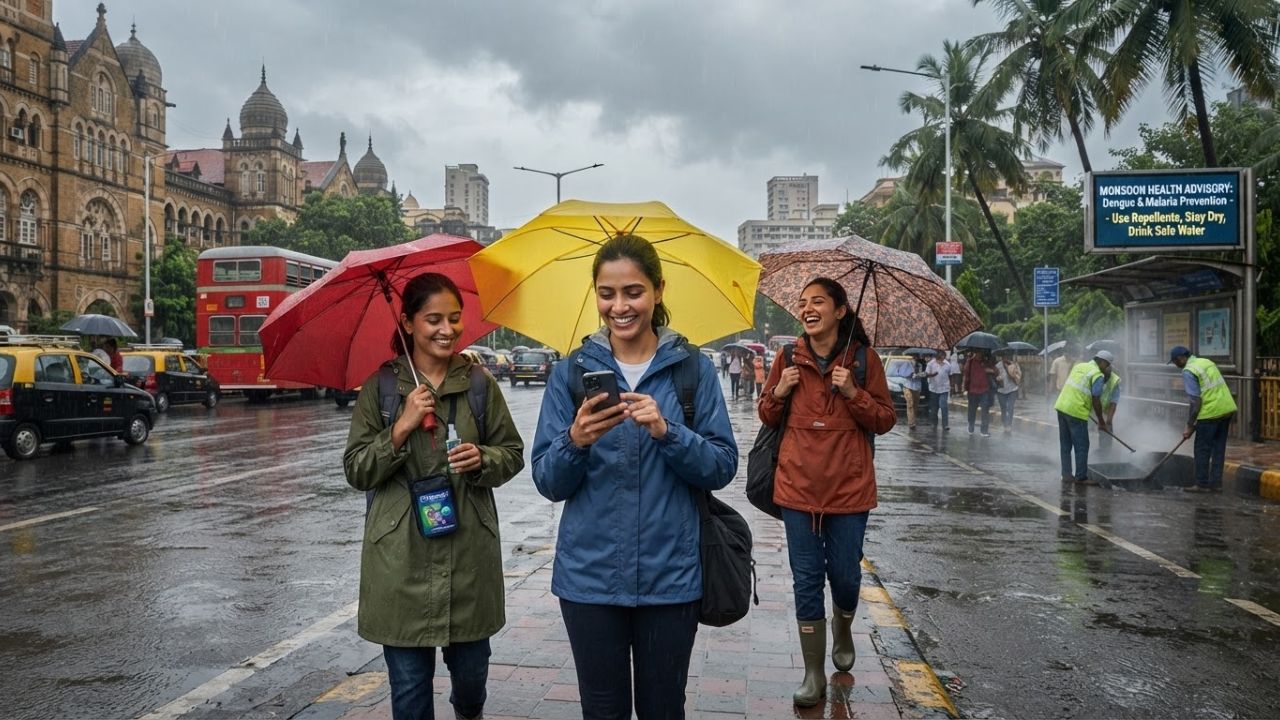
Image generated by AI
Published on July 17, 2026
The Brihanmumbai Municipal Corporation (BMC) has issued an urgent public health advisory for Mumbai as cases of malaria, dengue, and leptospirosis rise during the heavy monsoon rains. Travelers and residents are urged to follow strict monsoon safety measures and adhere to the newly released BMC guidelines to prevent vector-borne and water-borne diseases. Immediate precautions, such as avoiding waterlogged areas and eliminating stagnant water, are critical to safeguarding public health.
Quick Summary
- Surge in Infections: Comparative data from January to July 2026 reveals a significant rise in malaria, dengue, and leptospirosis cases across Mumbai.
- Swine Flu Spike: Cases of swine flu have nearly tripled during this seasonal window, reaching a total of 113 confirmed infections.
- Aggressive Civic Response: The BMC has inspected over 3,000 construction sites and carried out vector-control fogging in nearly 800,000 homes.
- Vulnerable Groups Alert: Seniors, children, and immunocompromised individuals are advised to avoid flooded streets where leptospirosis risks are highest.
Escalating Health Concerns Triggering the New BMC Guidelines
The arrival of the seasonal monsoon brings heavy rainfall to the Maharashtra coast, but July 2026 has introduced serious public health challenges. The Brihanmumbai Municipal Corporation (BMC) has released comparative health data from January to July 2026 showing a notable rise in vector-borne diseases. While illnesses like Covid-19 have declined, the threat from standing water remains high.
According to official statistics, malaria cases in the city rose from 3,115 to 3,681, while dengue infections increased from 734 to 938. Leptospirosis cases grew from 136 to 157, and swine flu cases saw a sharp increase, tripling to 113. These numbers have prompted local authorities to establish strict guidelines to protect residents and visitors from seasonal infections.
Event and Incident Details: BMC’s Vector Control Operations
To combat the increase in cases, the BMC has launched a city-wide vector control and sanitization campaign. Teams are focusing on identifying and neutralizing mosquito breeding spots in residential areas, commercial properties, and public spaces.
The civic body's response includes inspecting over 3,000 active construction sites, which are prime areas for stagnant water. Additionally, health workers have conducted door-to-door health surveillance reaching more than 10 million residents, and vector control teams have performed preventive chemical fogging operations in nearly 800,000 homes.
Risks and Health Hazards of Waterlogging in Mumbai
Heavy monsoon rains regularly overwhelm Mumbai's drainage systems, leading to waterlogging in low-lying areas. This accumulation of water creates multiple health hazards for commuters and travelers navigating the city.
Primary health risks during the Mumbai monsoon include:
- Mosquito Breeding: Stagnant water in pots, tires, and open containers allows disease-carrying mosquitoes to breed rapidly.
- Leptospirosis Transmission: Flooded streets contaminated with animal waste spread leptospirosis bacteria, which can enter the body through cuts or open skin.
- Water-Borne Contamination: Contaminated drinking water and food from uncovered stalls increase the risk of gastrointestinal infections.
- Respiratory Illnesses: The damp weather contributes to the spread of swine flu, which has seen a notable increase in recent weeks.
What Authorities and Medical Experts Are Saying
BMC health officials are emphasizing the importance of early detection and public cooperation. The civic body has urged residents to seek professional medical help immediately if they experience persistent fever, body aches, sore throat, or fatigue.
Municipal health representatives have warned against self-medication, noting that using over-the-counter drugs to suppress symptoms can delay the diagnosis of serious conditions like malaria or dengue. Authorities are advising the public to visit municipal dispensaries or local hospitals if common monsoon symptoms last longer than 48 hours.
Practical Traveler Advice: Dengue Prevention and Malaria Awareness
To minimize health risks during the monsoon season, travelers and residents should adopt proactive safety measures:
- Eliminate Stagnant Water: Check flower pots, indoor planters, coolers, and empty containers weekly. Drain any standing water to disrupt the breeding cycle of mosquitoes.
- Use Insect Repellent: Apply insect repellent containing DEET or picaridin to exposed skin, and use mosquito nets or vaporizers indoors.
- Wear Protective Footwear: If you must walk through waterlogged streets, wear waterproof gumboots to prevent direct skin contact with contaminated water.
- Drink Clean Water: Consume only boiled, filtered, or bottled water, and avoid ice from unverified sources.
- Avoid Street Food: Do not eat raw or uncovered food from roadside stalls, as damp conditions increase the risk of contamination.
- Watch for Symptoms: Monitor yourself for fever, muscle aches, sore throat, or dry cough. Consult a doctor if symptoms persist past two days.
- Avoid Self-Medicating: Do not take painkillers or antibiotics without a prescription, as this can mask critical symptoms and complicate recovery.
- Keep Dry: Carry a spare change of clothes and dry socks if you travel, as damp clothes can lower immunity and increase susceptibility to colds.
Broader Context and Regional Significance
The seasonal rise in vector-borne diseases is a recurring challenge for Mumbai due to its high population density and coastal geography. Managing these outbreaks requires a coordinate effort between public health workers, civic planners, and residents. BMC guidelines serve as an essential tool to reduce the burden on the city's healthcare infrastructure during the peak monsoon months, helping to manage localized outbreaks before they spread.
Looking Ahead: Healthcare Interventions
The BMC plans to continue its localized health camps and active surveillance programs until the monsoon season ends. Civic teams will monitor low-lying areas and construction sites for compliance with sanitation standards, and further advisories will be issued if weather conditions worsen. Maintaining these preventive measures is key to lowering infection rates across the city.
Comparison with Previous Policies
In previous years, city health campaigns focused primarily on distributing public advisories. The current strategy is more proactive, combining active field surveillance with localized health camps and enforcement of vector-control rules at construction sites. This hands-on approach has helped keep cases of chikungunya low, demonstrating the value of active intervention over simple warnings.
FAQ: Mumbai Monsoon Safety and BMC Guidelines 2026
What are the main diseases spreading during the Mumbai monsoon?
The primary health concerns during the monsoon season are malaria, dengue, leptospirosis, and swine flu, all of which have seen increases in July 2026.
How does leptospirosis spread, and how can I prevent it?
Leptospirosis spreads through water contaminated with the waste of infected animals. You can prevent it by avoiding walking through floodwater or wearing protective rubber boots if travel is necessary.
What steps is the BMC taking to control mosquito breeding?
The BMC is conducting door-to-door health inspections, checking construction sites for standing water, and carrying out chemical fogging in residential areas.
When should I see a doctor for monsoon-related symptoms?
If you experience persistent fever, body aches, sore throat, or cough for more than 48 hours, you should seek professional medical advice rather than self-medicating.
Conclusion
Staying safe during the Mumbai monsoon requires caution and adherence to public health guidelines. By taking simple preventive steps—like draining standing water, wearing appropriate footwear, and seeking early medical attention—travelers and residents can protect themselves from seasonal illnesses. Adhering to BMC guidelines ensures a safer, healthier monsoon season for everyone in the city.
SEO Specifications (For Editor Reference)
- Article Tags: BMC Guidelines, dengue prevention, Leptospirosis, Malaria Awareness, monsoon
Related Travel Guides
Disclaimer
This article is for informational and educational purposes only. It does not constitute legal, financial, or professional advice. While we strive to provide accurate and up-to-date information, travel policies, regulations, and conditions change rapidly. Always verify information with official sources before making travel decisions. Nomad Lawyer makes no representations about the accuracy, reliability, completeness, or suitability of the information provided. Readers should consult qualified professionals for advice specific to their circumstances. The views expressed in this article are those of the author and do not necessarily reflect the views of Nomad Lawyer.
Kunal K Choudhary
Co-Founder & Contributor
A passionate traveller and tech enthusiast. Kunal contributes to the vision and growth of Nomad Lawyer, bringing fresh perspectives and driving the community forward.
Learn more about our team →