
India Issues Red Alert for Mumbai, Thane and Raigad with 80 kmph Winds in July 2026
The India Meteorological Department has issued a red alert for Mumbai, Thane, and Raigad, warning of extreme rainfall and 80 kmph winds causing widespread transport disruption.

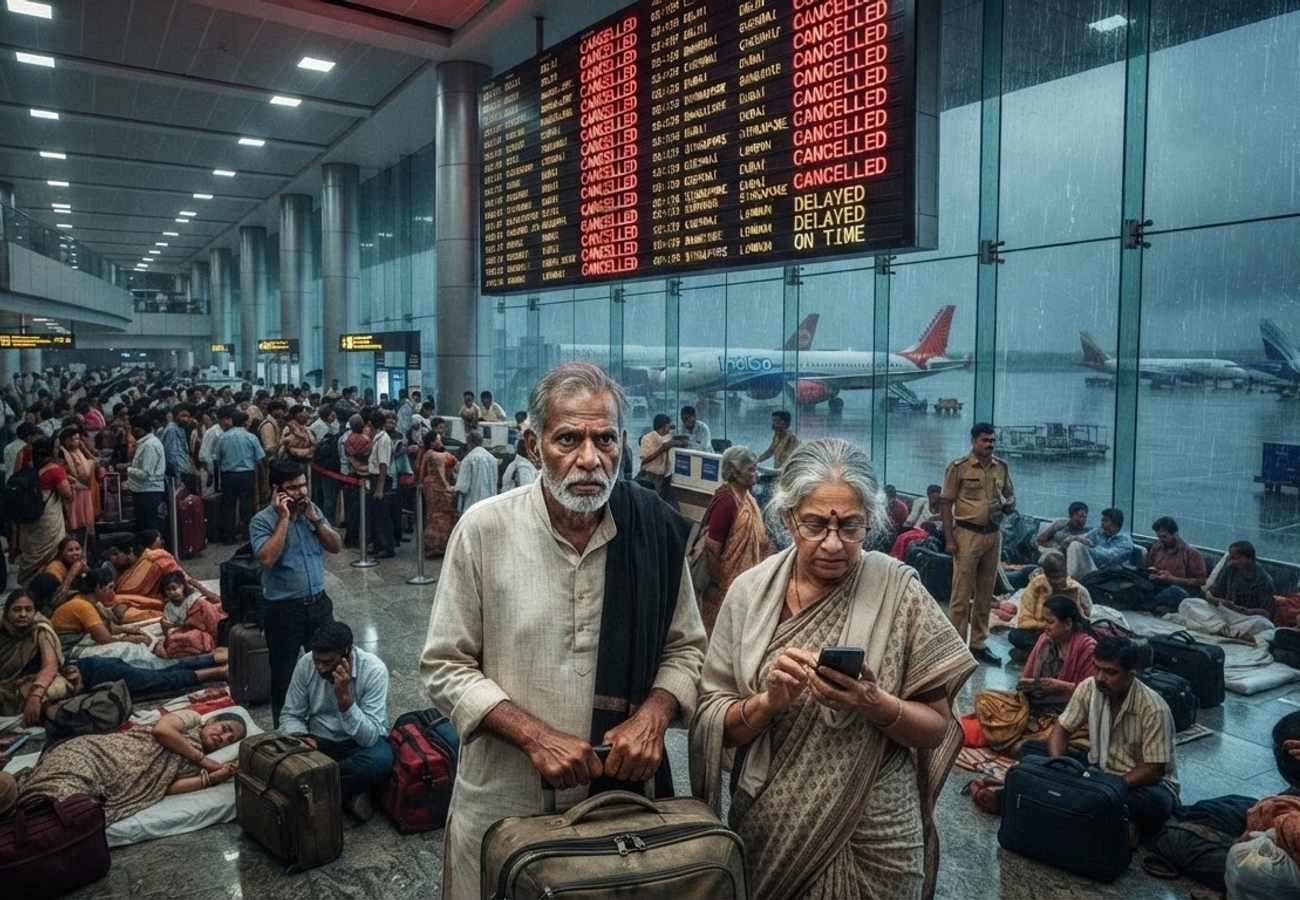
Image generated by AI
Severe weather systems have triggered a red alert for the Maharashtra coast, with authorities warning of extreme rainfall and wind gusts reaching 80 kmph. Immediate travel restrictions are advised for Mumbai, Thane, and Raigad.
The India Meteorological Department (IMD) has upgraded weather warnings from orange to red following a rapid deterioration of monsoon conditions. This escalation targets the Konkan belt, where meteorological models indicate a high probability of urban flooding and systemic transport failure.
The current weather system is characterized by continuous heavy rainfall and intermittent thunderstorms. These conditions are expected to overwhelm drainage infrastructure in densely populated urban corridors, leading to significant civic disruption.
Critical Weather Specifications and Regional Status
The IMD has categorized the risk levels across the coastal districts to assist in emergency mobilization:
- Mumbai: Red alert; extreme rainfall and high-velocity wind gusts.
- Thane: Red alert; high risk of flash flooding and transport breakdown.
- Raigad: Red alert; severe rainfall with high vulnerability to landslides.
- Palghar: Orange alert; heavy rainfall at isolated locations and strong winds.
Infrastructure and Safety Risks
Industry observers note that the combination of 70–80 kmph winds and persistent precipitation creates multiple failure points for urban infrastructure.
Primary Hazard Analysis:
- Transport: Potential shutdowns of road, rail, air, and ferry services across the Konkan coast.
- Structural: Increased risk of tree falls and collapse of structurally weak or aged buildings.
- Geological: Localized mudslides and rockfalls in the Raigad hilly terrain.
- Utilities: High probability of electricity and water supply interruptions.
The Brihanmumbai Municipal Corporation (BMC) has deployed 15,000 personnel to monitor flood-prone zones and traffic corridors. Residents are instructed to avoid parking vehicles under trees and to stay clear of beaches and waterlogged areas.
Maritime and Agricultural Impact
The maritime sector faces severe stress due to squally winds and rough sea conditions. Fishing and shipping activities are deemed dangerous until the system stabilizes.
In rural districts, the agricultural sector is at risk. The IMD has warned that standing crops, horticultural produce, and "kutcha" (temporary) housing may be flattened by the wind. Farmers are advised to harvest mature crops immediately and secure livestock in indoor shelters.
Emergency Safety Protocols
Due to the increased risk of cloud-to-ground lightning strikes, the following safety measures are now in effect:
- Avoid open fields and isolated structures.
- Unplug electrical appliances during active thunderstorms.
- Avoid all non-essential travel.
- Rely exclusively on official IMD and disaster management updates to avoid misinformation.
Regional Alert Summary
| Region | Alert Level | Primary Risk | Expected Wind Speed |
|---|---|---|---|
| Mumbai | Red | Urban Flooding / Transport Failure | 70–80 kmph |
| Thane | Red | Flash Floods / Infrastructure Damage | 70–80 kmph |
| Raigad | Red | Landslides / Severe Rainfall | 70–80 kmph |
| Palghar | Orange | Isolated Heavy Rain / Strong Winds | High |
Why This Matters
This weather escalation represents a critical stress test for Maharashtra's urban resilience. The transition from an orange to a red alert in a short window suggests a volatile atmospheric shift that often bypasses standard drainage capacities.
For the aviation and logistics sectors, this means "cascading delays." Because Mumbai serves as a primary hub for Western India, disruptions here ripple through the entire national supply chain. The specific mention of 80 kmph winds is significant; this exceeds the safety thresholds for many ground operations and temporary structures, increasing the likelihood of airport closures and port delays.
Industry Outlook
Expect significant volatility in flight schedules and rail connectivity over the next 48 to 72 hours. Market trends suggest that such high-impact monsoon events will lead to a surge in demand for flexible booking policies and travel insurance claims. Logistics providers should anticipate "last-mile" delivery failures in Mumbai and Thane as waterlogging renders low-lying roads impassable.
Travelers are urged to verify flight and train statuses via official portals before departing for terminals.
Related Travel Guides
Disclaimer
This article is for informational and educational purposes only. It does not constitute legal, financial, or professional advice. While we strive to provide accurate and up-to-date information, travel policies, regulations, and conditions change rapidly. Always verify information with official sources before making travel decisions. Nomad Lawyer makes no representations about the accuracy, reliability, completeness, or suitability of the information provided. Readers should consult qualified professionals for advice specific to their circumstances. The views expressed in this article are those of the author and do not necessarily reflect the views of Nomad Lawyer.
Raushan Kumar
Founder & Lead Developer
Full-stack developer with 11+ years of experience and a passionate traveller. Raushan built Nomad Lawyer from the ground up with a vision to create the best travel and law experience on the web.
Learn more about our team →