
MSC Cruises and Royal Caribbean Issue 2026 Warning on Illegal Camouflage Clothing in Caribbean Ports
Cruise passengers face fines, detention, or deportation in the Caribbean due to strict laws banning camouflage clothing, as reaffirmed by MSC Cruises and Royal Caribbean in 2026.

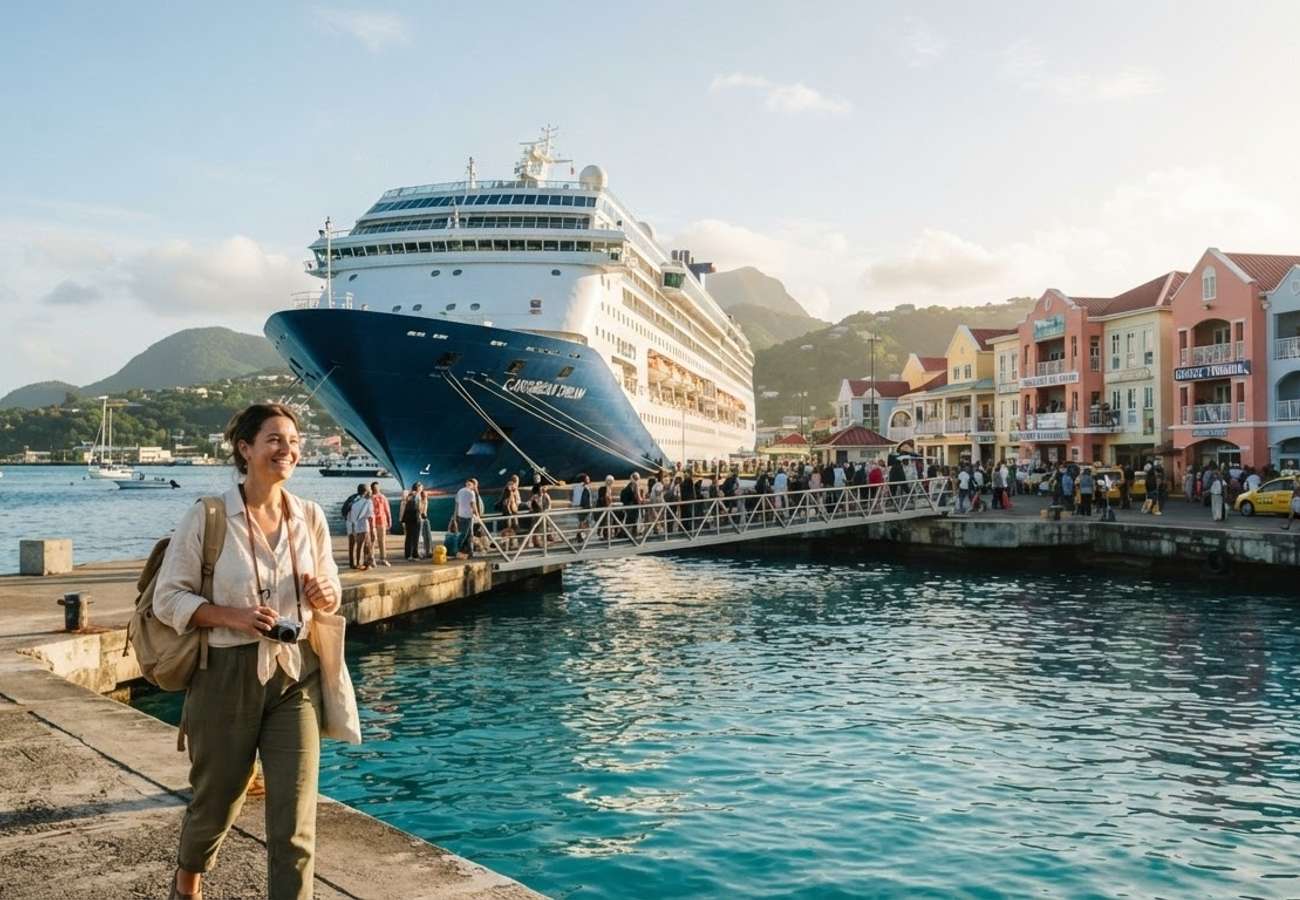
Image generated by AI
Wearing a camouflage T-shirt in the wrong Caribbean port can lead to immediate arrest, heavy fines, or being denied entry into the country. Major cruise lines are now issuing urgent warnings that military-style attire is a criminal offense in several jurisdictions.
The Legal Shift in Caribbean Port Attire
For many travelers, camouflage is a standard fashion choice. However, in several Caribbean nations, these patterns are strictly reserved for official military and police personnel. MSC Cruises has recently reaffirmed its Guest Conduct Policy, updated in February 2026, which places the full legal burden on passengers to research and comply with the laws of every destination on their itinerary.
The risk is not merely a polite request from ship staff to change clothes; it is a matter of local law enforcement. Passengers wearing prohibited patterns may face the immediate confiscation of their garments, steep financial penalties, or even detention by local authorities. MSC Cruises has explicitly stated it cannot accept responsibility for legal consequences or denied entry resulting from prohibited attire.
High-Risk Destinations and Penalties
While the restriction may seem vague, Royal Caribbean has provided a specific list of six Caribbean destinations where camouflage-print clothing, accessories, and military-style attire are illegal:
- Antigua
- Barbados
- Grenada
- Jamaica
- Saint Lucia
- Trinidad and Tobago
The severity of these laws varies by island, but the consequences are consistent. In Saint Lucia, the prohibition is absolute, covering all clothing and accessories for every passenger, including children. Refusal to surrender these items to customs officials can result in being denied entry to the island entirely.
In Antigua and Barbuda, the Customs and Excise Division is particularly stringent. The import or possession of military uniforms or accessories without Defence Board approval can result in a fine of up to EC$2,000 or imprisonment for up to one year. Similarly, the U.S. Department of State has confirmed that customs officials in Barbados and Grenada are authorized to confiscate camouflage items directly from luggage.
Cultural and Environmental Value: Respecting Local Sovereignty
For the visitor, the real impact of these rules is a lesson in cultural humility and legal sovereignty. In these nations, the military uniform is a symbol of authority and national security. Wearing "imitation" military gear is viewed not as a fashion statement, but as an attempt to impersonate an official or disrespect the state's security apparatus.
By adhering to these guidelines, travelers support a respectful tourism ecosystem. Avoiding military-style clothing reduces friction with local law enforcement and ensures that tourism remains a positive interaction between visitors and the host community.
Visitor Insider Tips
To ensure a seamless experience across the Caribbean, follow these practical guidelines:
- The "Neutral" Rule: When in doubt, opt for solid neutrals, linens, or bright tropical prints. Avoid any pattern that resembles "digital" or "woodland" camo, even in non-traditional colors (like blue or pink camo), as some customs officers may still flag them.
- Check the "Accessories": The ban extends beyond shirts. Check your hats, backpacks, belts, and footwear. A camouflage-patterned gym bag can be enough to trigger a customs inspection in Saint Lucia.
- Off-Peak Compliance: While enforcement can fluctuate, be most vigilant during national holidays or periods of political transition in the Caribbean, as security presence in ports is typically heightened.
- Dining Etiquette: While the camouflage ban applies to shoreside excursions, remember that most cruise lines maintain separate "Smart Casual" or "Formal" dress codes for evening dining onboard.
Tourism Outlook: The Evolution of Cruise Compliance
The 2026 warnings from MSC and Royal Caribbean signal a broader trend toward "hyper-compliance" in the cruise industry. As destinations seek to manage the impact of mass tourism, they are enforcing local laws more strictly on cruise passengers who previously felt insulated by their ship's jurisdiction.
The shift toward detailed prohibited-item lists—covering everything from drones to garment steamers—shows that the "bubble" of the cruise ship is shrinking. Travelers must now view their packing list as a legal document that must align with both the ship's safety policies and the sovereign laws of every port of call.
Comparison of Major Cruise Line Restrictions
| Cruise Line | Primary Clothing/Item Restrictions | Potential Consequence |
|---|---|---|
| MSC Cruises | Camouflage/Military-style attire | Fines, confiscation, or detention |
| Royal Caribbean | Camouflage in 6 specific Caribbean ports; irons/steamers | Confiscation (may be returned at debarkation) |
| Carnival | Weapons, candles, irons, alcohol | Immediate removal and disposal |
| Norwegian | Drones, hoverboards, heating elements | Onboard safety seizure |
| Princess | Kettles, coffee makers, drones | Non-acceptance/not stored onboard |
| Disney | Rice cookers, toasters, streaming devices | Removal from cabin |
| Celebrity | Extension cords, drones (limited land use) | Confiscation |
| Virgin Voyages | Specific sporting equipment, drones | Prohibited aboard ships |
Pack for the destination, not just the ship.
Related Travel Guides
Disclaimer
This article is for informational and educational purposes only. It does not constitute legal, financial, or professional advice. While we strive to provide accurate and up-to-date information, travel policies, regulations, and conditions change rapidly. Always verify information with official sources before making travel decisions. Nomad Lawyer makes no representations about the accuracy, reliability, completeness, or suitability of the information provided. Readers should consult qualified professionals for advice specific to their circumstances. The views expressed in this article are those of the author and do not necessarily reflect the views of Nomad Lawyer.
Kunal K Choudhary
Co-Founder & Contributor
A passionate traveller and tech enthusiast. Kunal contributes to the vision and growth of Nomad Lawyer, bringing fresh perspectives and driving the community forward.
Learn more about our team →