
Hurricane Isaias and Simon Trigger Flight Waivers for American, Delta, and Southwest in October 2026
Severe weather systems across North America, including Category 3 Hurricane Isaias and Hurricane Simon, have forced major carriers to implement travel waivers for Gulf Coast and Mexican Pacific routes.

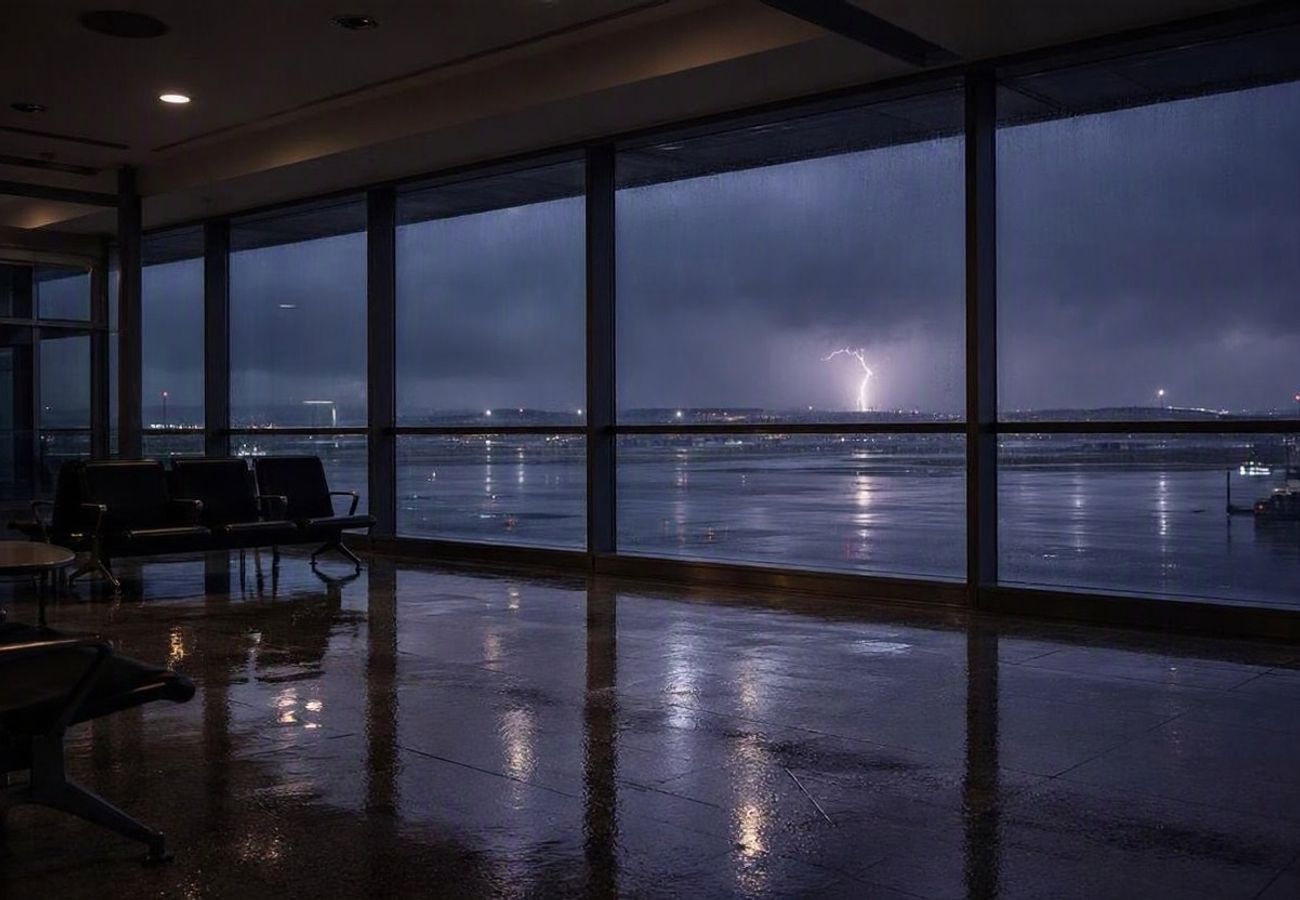
Image generated by AI
Flight cancellation risks in the US Gulf Coast have spiked following the escalation of Hurricane Isaias to Category 3 status, with sustained winds reaching 120 mph as of October 9. This surge in volatility mirrors the systemic disruptions seen in previous peak hurricane seasons, where a single major storm can trigger a domino effect across North American aviation hubs, forcing carriers to shift from standard booking terms to flexible travel waivers.
The Storm Metrics: October 2026 Risk Assessment
The current weather pattern is characterized by a multi-front assault on North American logistics. In the Atlantic/Gulf region, Hurricane Isaias is the primary driver of instability. According to data from the National Hurricane Center (NHC), the storm's 120 mph winds place it firmly in the Category 3 bracket, creating high-risk conditions for airports in the Florida Panhandle, Alabama, and Mississippi.
Simultaneously, the Pacific coast of Mexico is contending with Hurricane Simon. With reported winds of approximately 100 mph, this system threatens the critical tourism corridor of Jalisco, Colima, Nayarit, and Michoacán. The risk is compounded by Tropical Storm Rachel, which is moving northeast with 50 mph winds, affecting the southwestern United States and Baja California.
Regional Disruption Benchmarks
The scale of disruption varies by geography, but the interconnected nature of modern aviation means a ground stop in New Orleans can cause delays in Toronto. While the US and Mexico face direct atmospheric threats, Canada's exposure is primarily operational, stemming from the disruption of international connections.
The following table breaks down the current exposure levels across the three most affected North American markets:
| Region | Primary Threat | High-Risk Hubs | Primary Carrier Exposure | Critical Window |
|---|---|---|---|---|
| US Gulf Coast | Hurricane Isaias (Cat 3) | Pensacola, Mobile, New Orleans, Tampa | American, Delta, Southwest, JetBlue | Oct 9–11 |
| Mexico Pacific | Hurricane Simon (100mph) | Puerto Vallarta, Guadalajara, Los Cabos | Aeroméxico, Volaris, Delta, WestJet | Oct 10–12 |
| NE United States | Severe Thunderstorms | New York, Philadelphia | United, Delta, Air Canada | Ongoing |
What This Means for Travelers
For passengers currently booked on routes to the Gulf Coast or the Mexican Pacific, the immediate priority is verifying "Travel Waiver" eligibility. Unlike standard cancellations, these waivers allow passengers to change flights without paying the typical fare difference or change fees.
Actionable Booking Advice:
- Verify Waiver Windows: If you are flying into cities like Panama City, Mobile, or Puerto Vallarta, check your airline's specific date range. For instance, American Airlines allows new travel through October 14 for Isaias-affected routes.
- Distinguish Between Warnings and Closures: A weather warning for Puerto Vallarta does not automatically equate to an airport closure. Monitor the International Air Transport Association (IATA) or official airport notices before attempting to drive to a terminal.
- Audit Your Entire Itinerary: If you have a connection in Atlanta or Dallas heading to the Gulf, your flight may be delayed even if your origin city is clear, due to aircraft repositioning.
- Ground Transportation Risks: In Mexico, the risk of landslides in mountainous regions often persists after the wind dies down. Confirm resort transfers through hotel operators rather than relying on standard rental car routes.
Carrier Response and Flexibility Analysis
The response from major carriers shows a tiered approach to risk management. American, Delta, and Southwest have all activated flexibility policies, but the parameters differ.
American Airlines has cast a wide net, including destinations such as Birmingham, Huntsville, and Destin/Fort Walton Beach under its exception policy. Delta Air Lines has focused heavily on the Alabama and Mississippi corridors, including Dothan and Columbus, with rescheduling options through October 13. Southwest Airlines provides a unique advantage by allowing eligible passengers to travel standby within a 14-day window, providing higher agility for those needing to escape affected zones quickly.
In Canada, WestJet and Air Canada have issued advisories specifically for Mexico-bound traffic and Northeastern US routes, respectively, signaling that the "ripple effect" of these storms is already impacting northern markets.
Forward Projection: The Q4 Weather Outlook
Based on current trajectories, the window of peak disruption for the Gulf Coast will likely close by October 12, provided Hurricane Isaias follows projected paths. However, the Mexican Pacific remains a volatility zone through mid-October. Travelers should expect a surge in "last-minute" rebookings as the storm's path clarifies, which may lead to limited seat availability on alternative flights for the remainder of the week.
FAQ: North American Storm Disruptions 2026
Will my flight be canceled if the airport is still open? Yes. Airlines often cancel flights proactively to avoid aircraft becoming stranded at a destination that may lose operational capacity within 24-48 hours.
How do I use a travel waiver? Check your airline's "Travel Alerts" page. If your flight number or destination is listed, you can usually modify your flight via the mobile app or website without fees.
Is it safe to travel to Puerto Vallarta right now? With Hurricane Simon producing 100 mph winds, travel is high-risk. Check local government advisories and confirm that your hotel and airport transfers are operational.
Do these waivers apply to basic economy tickets? Generally, yes. Travel waivers issued due to severe weather usually override the restrictive terms of basic economy fares.
Stay agile, monitor the NHC, and always prioritize the waiver over the ticket.
Related Travel Guides
Disclaimer
This article is for informational and educational purposes only. It does not constitute legal, financial, or professional advice. While we strive to provide accurate and up-to-date information, travel policies, regulations, and conditions change rapidly. Always verify information with official sources before making travel decisions. Nomad Lawyer makes no representations about the accuracy, reliability, completeness, or suitability of the information provided. Readers should consult qualified professionals for advice specific to their circumstances. The views expressed in this article are those of the author and do not necessarily reflect the views of Nomad Lawyer.
Kunal K Choudhary
Co-Founder & Contributor
A passionate traveller and tech enthusiast. Kunal contributes to the vision and growth of Nomad Lawyer, bringing fresh perspectives and driving the community forward.
Learn more about our team →