
Mozambique Travel Alert 2026: Terrorism Risks in Cabo Delgado Impact Luxury Beach Tourism
New U.S. Department of State security warnings for Cabo Delgado Province challenge Mozambique's luxury tourism sector, though southern regions remain open for high-end travel.
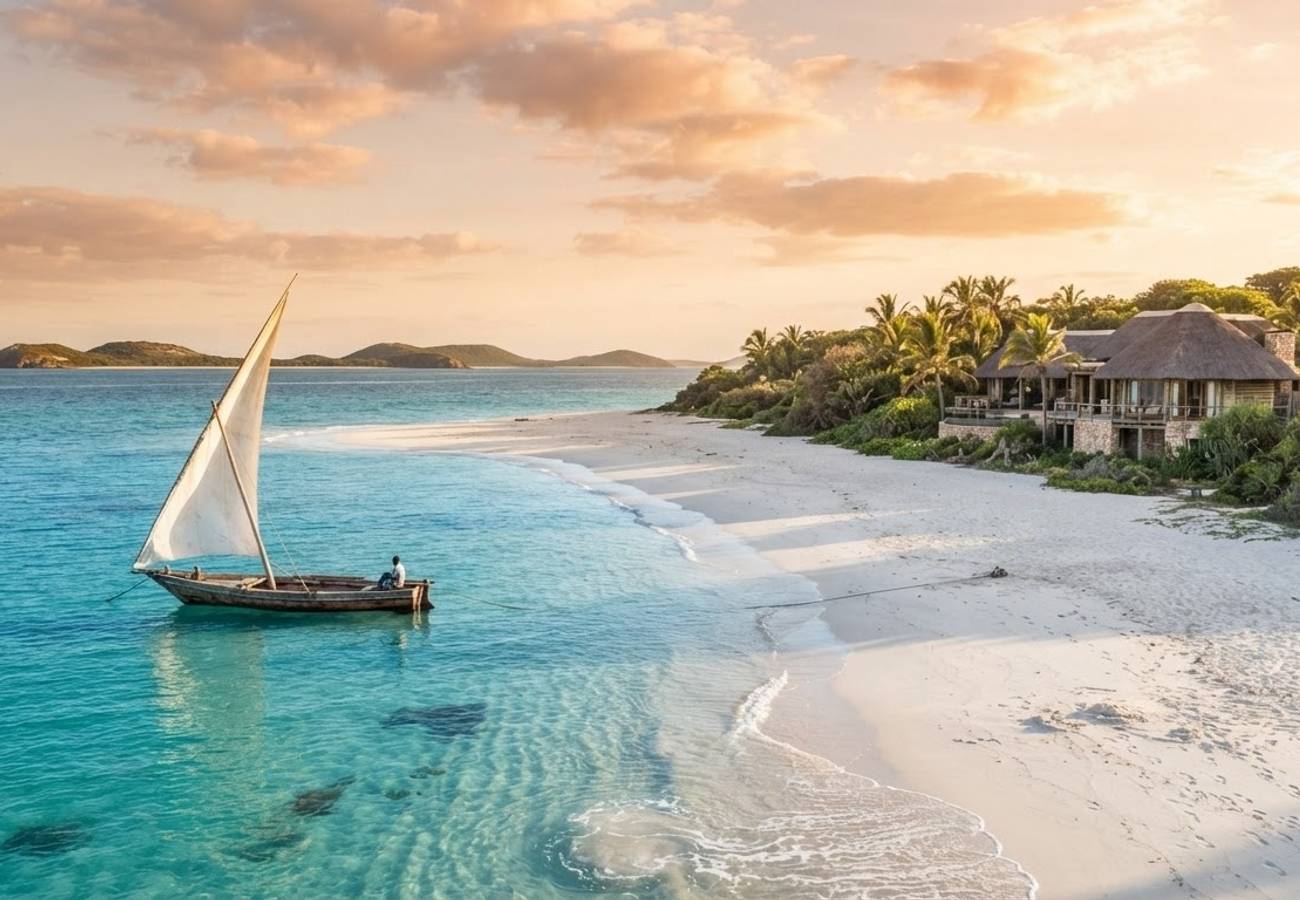
Image generated by AI
The U.S. Department of State has intensified security warnings for Mozambique, specifically designating Cabo Delgado Province as a high-risk zone due to terrorism. While northern regions face instability, southern luxury hubs continue to operate.
International travel attention has shifted toward Mozambique as security alerts highlight persistent terrorism risks in the north. The tension is most acute in Cabo Delgado Province, a region historically prized for its Indian Ocean beaches, wildlife, and high-end retreats. This volatility creates a stark divide in the country's tourism profile: a high-risk north versus a stable, luxury-driven south.
The U.S. Department of State now advises travelers to exercise increased caution throughout Mozambique, with a strict recommendation to avoid travel to Cabo Delgado entirely.
Regional Security Breakdown
The current instability is concentrated in northern Mozambique. Extremist activity in Cabo Delgado has disrupted local businesses and eroded visitor confidence in one of the country's most naturally gifted provinces.
Cabo Delgado's tourism value is centered on the Quirimbas National Park, renowned for its coral reefs and tropical islands. However, the same remoteness that attracts adventure travelers now complicates emergency response and support services, making the region precarious for international visitors.
Stable Destinations and Luxury Hubs
Our analysis of the current geography of risk indicates that the travel warnings do not apply uniformly. Several key regions remain viable and popular for international luxury travelers:
- The Bazaruto Archipelago: A premier destination for honeymooners and high-net-worth individuals, offering private resorts, diving, and marine wildlife.
- Vilanculos: The primary gateway for island excursions, dolphin encounters, and snorkeling.
- Maputo: The capital city remains a hub for cultural tourism, featuring Portuguese colonial architecture, waterfront dining, and urban markets.
Impact on the Luxury Sector
The luxury travel market is uniquely sensitive to security perceptions. Because high-end safari and beach holidays involve significant financial investment and long-haul travel, "destination confidence" is the primary driver of bookings.
Market trends suggest that security concerns in Cabo Delgado lead to:
- Cancellations of international tour packages.
- Decreased demand for flights into northern hubs.
- Shift in investment toward southern coastal developments.
- Increased reliance on experienced local operators to navigate safety protocols.
Safety Guidelines for 2026 Travelers
For those planning a visit to Mozambique, a fragmented approach to safety is required. Travelers should not view the country as a single security entity but as a collection of distinct zones.
Essential Pre-Departure Checklist:
- Verify Coordinates: Confirm that planned accommodations are not within the Cabo Delgado boundaries.
- Insurance: Secure comprehensive travel insurance that specifically covers emergency evacuations.
- Local Expertise: Contract vetted local tour operators who provide real-time security updates.
- Official Monitoring: Maintain active alerts from the U.S. Department of State and other national embassies.
Regional Tourism Comparison
| Region | Security Status | Primary Attractions | Travel Recommendation |
|---|---|---|---|
| Cabo Delgado | High Risk | Quirimbas National Park | Avoid Travel |
| Bazaruto Archipelago | Stable | Private Islands, Diving | Recommended |
| Vilanculos | Stable | Marine Life, Boat Trips | Recommended |
| Maputo | Stable | History, Architecture | Recommended |
Why This Matters: Industry Implication
From a logistical perspective, this situation highlights a recurring vulnerability in African luxury tourism: the "Enclave Effect." High-value assets (luxury lodges and private islands) are often located in remote areas to ensure exclusivity, but this same remoteness becomes a liability during security crises.
For the Mozambique tourism board, the challenge is preventing "brand contagion"—where instability in one province poisons the reputation of the entire country. The industry's survival depends on the ability to decouple the image of the stable south from the volatile north. For travelers, the real impact is a necessity for hyper-specific itinerary planning; a "general" trip to Mozambique is no longer feasible without a detailed risk map.
Forward Outlook
The recovery of northern Mozambique depends on improved security coordination and the establishment of robust emergency response systems. Until the Cabo Delgado region can guarantee visitor safety, the country's tourism growth will remain skewed toward the south. Expect a continued surge in investment in the Bazaruto and Maputo corridors as operators hedge against northern instability.
The divide between Mozambique's natural potential and its security reality remains the defining challenge for its tourism future.
Related Travel Guides
Disclaimer
This article is for informational and educational purposes only. It does not constitute legal, financial, or professional advice. While we strive to provide accurate and up-to-date information, travel policies, regulations, and conditions change rapidly. Always verify information with official sources before making travel decisions. Nomad Lawyer makes no representations about the accuracy, reliability, completeness, or suitability of the information provided. Readers should consult qualified professionals for advice specific to their circumstances. The views expressed in this article are those of the author and do not necessarily reflect the views of Nomad Lawyer.