
5 Most Affordable Neighborhoods in Columbus | Apartments.com
5 Most Affordable Neighborhoods in Columbus | Apartments.com

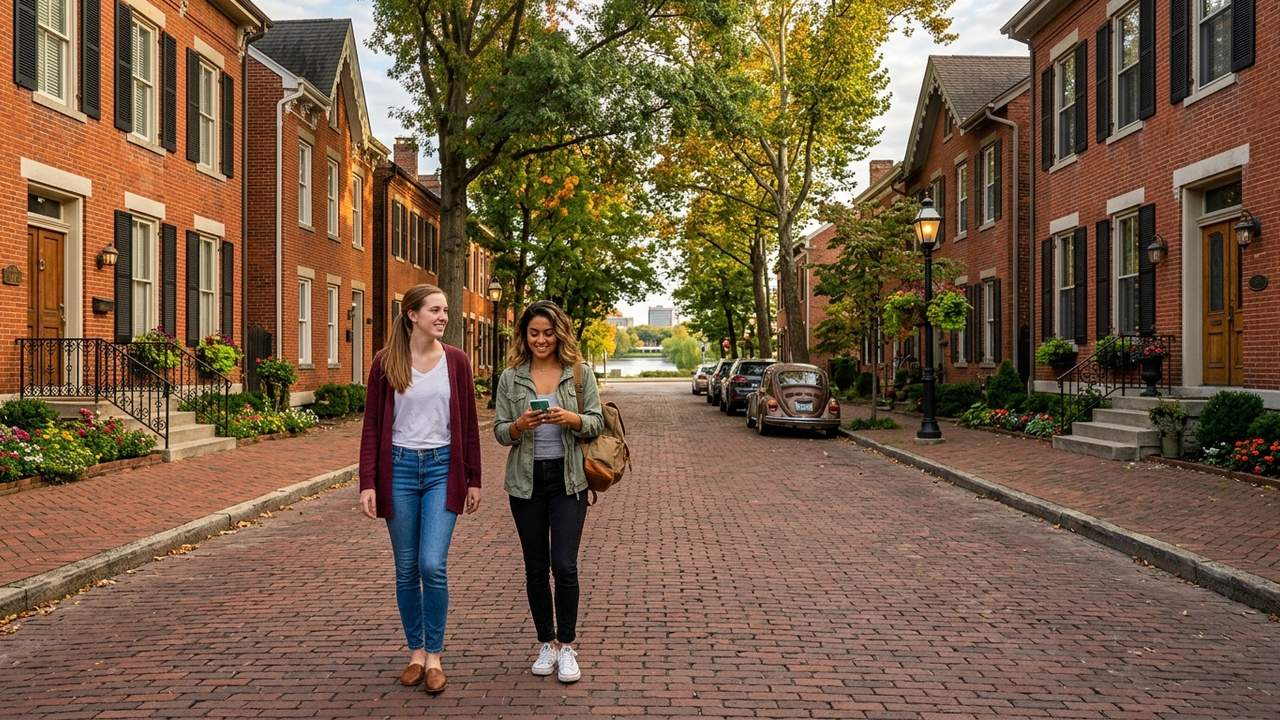
Image generated by AI
Columbus Housing Market Analysis: Five Most Affordable Renting Neighborhoods Reveal Significant Cost Savings for New Residents
[Columbus, Ohio, May 2026] — Rental costs across the Midwest continue to shift as Columbus emerges as a primary destination for budget-conscious tenants seeking metropolitan amenities without premium pricing. Recent market analysis confirms that the most affordable neighborhoods in Columbus OH deliver average one-bedroom rents ranging from $787 to $893, significantly undercutting the citywide baseline of $1,174. These districts provide comprehensive transit access, expanding commercial corridors, and established green infrastructure, making them highly attractive to relocating professionals and first-time renters evaluating long-term housing options.
Columbus operates as Ohio’s largest urban center and state capital, supporting a population exceeding 900,000 residents while maintaining below-average living expenses compared to comparable Midwest metropolises. The city’s geographic layout centers around the Scioto and Olentangy rivers, creating distinct commercial and residential zones that remain highly accessible via an extensive interstate network. Interstate corridors I-70, I-71, and I-270 facilitate rapid regional commuting, while the Central Ohio Transit Authority (COTA) maintains comprehensive bus routes linking suburban developments to downtown employment hubs. As migration patterns continue to favor affordable Midwestern markets, housing analysts are closely monitoring how localized rent differentials shape demographic shifts and commercial development across the metro area.
Salem Village Delivers Suburban Value Near Major Highways
Located directly north of the downtown core, Salem Village functions as a quiet residential enclave that balances commuter convenience with lower housing costs. The district maintains an average one-bedroom rental rate of $872 per month, positioning it well below the metropolitan baseline. Property valuations in the area reflect this affordability, with median home listing prices averaging $255,000. While the neighborhood operates primarily as a residential zone with limited immediate commercial services, residents rely on adjacent thoroughfares for daily necessities. Morse Road and Dublin Granville Road serve as established retail corridors featuring grocery outlets, dining establishments, and routine service providers. Green space within the immediate boundaries remains limited to Chaseland Park, though residents access larger recreational facilities through direct highway connections. Antrim Park, situated along the Olentangy River, offers 120 acres of recreational space including fishing ponds, soccer fields, picnic facilities, and a multi-use trail system. Woodward Park and Nature Preserve lies directly across Interstate 71, with pedestrian bridge access simplifying transit to the preserve. Commuter logistics remain highly efficient, with Cleveland Avenue, Morse Road, and Dublin Granville Road providing consistent surface-level connectivity. Interstate 71 borders the eastern boundary, enabling downtown travel times of approximately 10 to 15 minutes. COTA bus routes running along Cleveland Avenue offer supplementary public transit options for residents who prefer vehicle-free commuting.
Forest Park East Combines Unique Street Layout With Retail Access
Positioned immediately east of Salem Village, Forest Park East distinguishes itself through a distinctive traffic design that funnels multiple roadways into Tamarack Circle. This centralized street configuration fosters a highly connected community environment where pedestrian interaction remains frequent. The district matches Salem Village’s average one-bedroom rental rate of $872 monthly while reflecting a higher median home listing price of $306,000, indicating a shift toward slightly larger or upgraded residential properties. Commercial activity concentrates along the northern and southern borders, with Dublin Granville Road and Morse Road hosting the majority of retail establishments, grocery outlets, and dining venues. Nightlife and entertainment options remain accessible within minutes, and residents frequently travel to Easton Town Center, a major open-air commercial district featuring mainstream retail chains, cinema venues, and diverse restaurant offerings. The neighborhood maintains multiple public recreational areas, including Granville Park, Walden Park, and Forest Park, which distribute green space throughout the residential grid. Transportation infrastructure relies heavily on surface roads, with Morse Road to the south and Cleveland Avenue to the west providing consistent COTA bus service. Despite available public transit, the dense commercial distribution and highway proximity make personal vehicle usage the predominant commuting method for most households.
Eastland Offers Green Spaces Along Active Commercial Corridors
Eastland presents a traditional suburban residential environment where housing developments sit behind a bustling commercial strip along Hamilton Road. Mature tree canopies line the streets, creating a visually private atmosphere despite the active retail frontage. The average one-bedroom rental in the area measures $887 monthly, with a median home listing price of $212,450, making it one of the most accessible housing markets in the region. Residents benefit from immediate access to both chain retailers and independent eateries distributed across local shopping centers. The district also preserves substantial natural landscapes, with park systems emerging directly from the existing wooded terrain. Noe Bixby Park features trail networks following Big Walnut Creek beneath heavy canopy cover, while Hensel Park provides expansive grassy fields and athletic facilities for community recreation. Additional natural reserves, including Blacklick Woods, Big Walnut Park, and Three Creeks Park, reside nearby and offer extended trail systems, bird-watching habitats, and undeveloped landscapes. Commuter routes connect directly to Interstate 70 via Hamilton Road, enabling quick access to downtown or western connections to Interstate 270. Public transit coverage along the East Broad Street corridor remains limited, and the majority of residents depend on personal vehicles for daily travel and commercial access.
Cherry Creek Provides Natural Waterways And Trail Connectivity
Cherry Creek maintains a classic suburban residential profile, dominated by single-family homes and multi-unit apartment communities. A defining geographic feature runs through the district, with Scioto Big Run cutting directly through the center and providing natural drainage corridors that enhance local greenery. The neighborhood records an average one-bedroom rental cost of $893 monthly and carries a median home listing price of $239,950. Commercial services remain sparse within immediate boundaries, forcing residents to utilize nearby arterial roads for retail and dining needs. West Broad Street, located just minutes to the north, hosts a concentration of restaurants and retail outlets, while Hilliard Rome Road accommodates large-format retail stores and grocery distribution centers. Recreational infrastructure follows historical rail lines, with the Camp Chase Trail cutting through the southeastern edge of the community. Big Run Park, situated just outside the official neighborhood boundary, delivers paved walking paths, shaded picnic pavilions, youth playgrounds, and a dedicated athletic complex. Although the district lies outside the Interstate 270 loop, geographic positioning remains highly strategic. Interstate 270 forms the eastern boundary, and West Broad Street provides northern access within minutes. COTA bus service operates along West Broad Street, though the dispersed residential layout and commercial destinations make automobile travel the most practical option for most households.
Valleyview Ranks As The City’s Most Budget-Friendly District
Sitting directly north of Cherry Creek, Valleyview presents a mixed-use environment that integrates retail strips, light industrial zones, and residential pockets. Railroad tracks define the northern and eastern perimeters, creating a clear geographic boundary that separates the district from adjacent developments. The area delivers the lowest rental costs in the metropolitan analysis, with average one-bedroom units priced at $787 per month. Median home listing values in the zone average $230,000, reinforcing its status as the most affordable residential market in the city. Recreational infrastructure includes multiple public parks and trail networks featuring basketball courts, covered picnic shelters, playgrounds, and walking paths. Wilson Road Park and the Camp Chase Trail provide immediate outdoor access, while casual dining options and independent restaurants cluster near major intersections. Residents also utilize West Broad Street west of Interstate 270 for expanded shopping and dining opportunities. Commuter logistics center on Interstate 70, which runs along the northern edge and serves as the primary artery for downtown travel and western suburban connections. West Broad Street functions as the main surface corridor through the district and maintains regular COTA bus service, offering a viable alternative to private vehicle use.
| Neighborhood | Average 1-Bedroom Rent (Columbus) | Average 1-Bedroom Rent (Neighborhood) | Median Home List Price |
|---|---|---|---|
| Salem Village | $1,174/month | $872/month | $255,000 |
| Forest Park East | $1,174/month | $872/month | $306,000 |
| Eastland | $1,174/month | $887/month | $212,450 |
| Cherry Creek | $1,174/month | $893/month | $239,950 |
| Valleyview | $1,174/month | $787/month | $230,000 |
Economic Implications and Regional Housing Comparisons
Housing market analysts attribute the pronounced rent differentials in these five districts to a combination of older housing stock, transitional commercial zoning, and strategic positioning along secondary transit corridors. The cost savings compared to the citywide average of $1,174 per month create substantial budget flexibility for single-income households and young professionals. Financial planning guidelines suggest that a single adult with no dependents requires an annual income of approximately $70,000 to maintain a comfortable standard of living in the Columbus market. This baseline reflects regional utility costs, transportation expenses, and insurance premiums rather than housing alone. When compared to broader state trends, Columbus remains highly competitive, though neighboring municipalities like Toledo continue to offer lower average rents at $829 monthly, representing a 50 percent reduction from the national average of $1,644. The affordability gradient within Columbus itself drives internal migration patterns, with tenants increasingly prioritizing neighborhood-level cost efficiency over proximity to downtown employment centers. This shift encourages local governments to invest in public transit reliability, commercial zoning updates, and green space maintenance to sustain long-term residential retention. Market observers note that sustained affordability in these districts may attract remote workers, graduate students, and mid-career professionals seeking to maximize disposable income while maintaining access to metropolitan amenities.
Future Market Trajectory and Tenant Migration Patterns
The rental market landscape in Columbus demonstrates clear stratification, with specific neighborhoods delivering measurable financial advantages without sacrificing essential infrastructure or transit connectivity. As migration trends continue to favor mid-sized Midwest markets, these five districts will likely experience increased demand, potentially pressuring current rental rates over the next eighteen to twenty-four months. Housing developers and municipal planners are expected to prioritize adaptive reuse projects, transit-oriented development, and commercial corridor revitalization to accommodate growing tenant populations. Tenants evaluating relocation options will continue to weigh proximity to employment hubs against monthly housing costs, ensuring that affordability remains a decisive factor in urban migration patterns across the region.
Related Travel Guides
Disclaimer
This article is for informational and educational purposes only. It does not constitute legal, financial, or professional advice. While we strive to provide accurate and up-to-date information, travel policies, regulations, and conditions change rapidly. Always verify information with official sources before making travel decisions. Nomad Lawyer makes no representations about the accuracy, reliability, completeness, or suitability of the information provided. Readers should consult qualified professionals for advice specific to their circumstances. The views expressed in this article are those of the author and do not necessarily reflect the views of Nomad Lawyer.
Raushan Kumar
Founder & Lead Developer
Full-stack developer with 11+ years of experience and a passionate traveller. Raushan built Nomad Lawyer from the ground up with a vision to create the best travel and law experience on the web.
Learn more about our team →