
Morocco Tourism Boom: 7.7 Million Visitors Flood North Africa as World Cup 2030 Fuels $26M Annual Target
Morocco welcomes 7.7 million visitors in first five months of 2026, with FIFA World Cup 2030 co-hosting and expanded airline routes transforming the destination into Africa's fastest-growing tourism powerhouse.

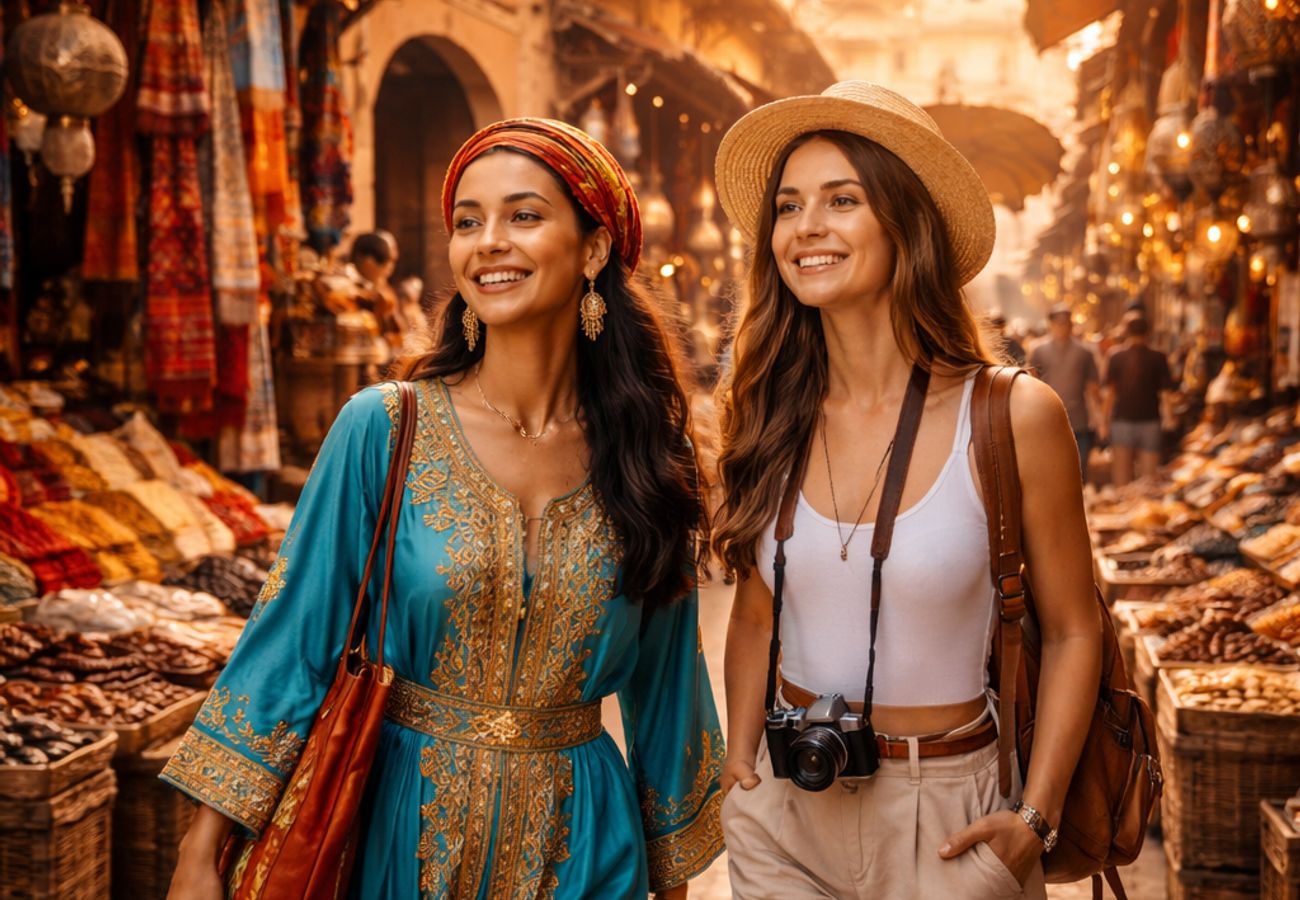
Image generated by AI
Morocco Is Now Africa's Fastest-Growing Tourism Destination—And the Numbers Are Staggering
Morocco has officially entered a tourism supercycle. Between January and May 2026 alone, the North African nation welcomed 7.7 million international arrivals—a jaw-dropping figure that positions the country as one of the world's hottest destinations right now. This isn't recovery. This is acceleration.
The opening five months of 2026 alone generated 1.7 million visitors in May, representing a 13% month-on-year growth rate. What makes this remarkable is the consistency: Morocco isn't relying on a single market or seasonal spike. Instead, visitor demand is spreading across diverse source regions, segments, and travel types simultaneously.
Reddit: "Just got back from Morocco and the tourism infrastructure is insane compared to five years ago. Direct flights everywhere, new hotels, better roads to everywhere." — r/travel
The catalyst? A perfect storm of expanded airline connectivity, government infrastructure investment, and the global hype machine surrounding FIFA World Cup 2030. Morocco will co-host the tournament alongside Spain and Portugal—a decision that has sent shockwaves through the travel industry.
The Economic Reality: Tourism Revenue Is Skyrocketing
Tourism now contributes approximately 7% of Morocco's GDP, and that figure is climbing fast. The jump in visitor numbers translates directly into measurable economic growth across hospitality, transportation, retail, and cultural sectors.
Revenue isn't just increasing—it's accelerating. Hotels in Marrakech, Fes, and Casablanca are reporting occupancy rates that rival major European destinations. More importantly, government tourism diversification efforts are spreading economic benefits beyond traditional city centers.
The infrastructure buildout is real and visible. Modern airport terminals, expanded highway networks, improved rural connectivity, and upgraded hospitality capacity are reshaping how visitors experience Morocco. These investments aren't speculative—they're responding to demand that's already arrived.
European Travelers Are Driving the Boom (But Not Alone)
France remains Morocco's largest inbound market with an 11% growth rate, but the real story is the diversification. Consider these numbers:
- United Kingdom: 18% growth
- Italy: 21% growth
- Spain: 12% growth
Geographical proximity to Europe gives Morocco a natural advantage, but what's changed is why European travelers are coming. Beyond the traditional beach-and-medina circuit, visitors are now seeking authentic experiences: mountain trekking, desert camping, rural homestays, and heritage tourism in lesser-known destinations.
This demand diversity reduces tourism sector vulnerability. Morocco isn't dependent on one market collapsing. If French tourism slows, British and Italian growth can compensate.
Airline Expansion Is Removing the Final Barrier to Growth
Direct international flights have multiplied across major hubs. This expansion addresses the historical challenge that deterred travelers: the friction of getting to Morocco. With improved accessibility, the destination shifted from "exotic but inconvenient" to "exotic and easy."
New routes are connecting Morocco directly to:
- Major European gateways (Paris, London, Rome)
- Long-haul markets reaching from Asia and North America
- Secondary cities that previously required connections
Increased seat capacity is also triggering airline competition, which drives down fares and stimulates additional leisure travel. Budget carriers are now treating Morocco as a primary market rather than a secondary destination.
According to recent aviation industry data, Middle Eastern and North African routes represent some of the fastest-growing segments globally—and Morocco is capturing a disproportionate share of that growth.
Rural Tourism Is the Secret Weapon
While Marrakech and Fes dominate tourism marketing, Morocco's government is deliberately decentralizing visitor distribution. Investment in mountain communities, coastal regions, eco-tourism zones, and heritage sites is creating entirely new tourism products.
This strategy serves dual purposes: it spreads economic benefits to historically underdeveloped regions while reducing overtourism pressure on iconic destinations. Travelers increasingly seek authenticity and sustainability—exactly what rural Morocco offers.
The Atlas Mountains, Sahara Desert experiences, coastal villages, and Berber cultural immersion now have the infrastructure to accommodate international visitors who previously couldn't access these experiences. This expansion is sustainable because it's infrastructure-driven rather than marketing-driven hype.
FIFA World Cup 2030: The Catalyst That Changes Everything
Here's where the story gets really interesting. Morocco, Spain, and Portugal will co-host the 2030 World Cup, and the Moroccan government is treating this as a generational opportunity.
The official target: 26 million annual visitors by 2030.
Let that sink in. Morocco received 7.7 million visitors in just five months of 2026. If current trends hold, the country will surpass 18 million visitors for the full year—already two-thirds of the 2030 target with four years remaining.
Government-backed projects include:
- Modern stadium construction and renovation
- Highway and rail network upgrades
- Airport capacity expansion
- Hospitality infrastructure acceleration
- Tourism marketing campaigns across all continents
The World Cup isn't causing this tourism boom—it's amplifying an existing boom. The tournament visibility will lock in international awareness at precisely the moment when Morocco's infrastructure can handle unprecedented visitor volumes.
According to FIFA World Cup planning documents, host nations typically see sustained tourism increases of 15-25% in the decade following tournament hosting. Morocco's existing momentum suggests it could exceed these benchmarks.
What This Means for Travelers Planning Visits
If you're considering a Morocco trip, understand the current landscape: peak season is intensifying, popular destinations are experiencing genuine crowding, and prices are rising across accommodations and activities.
However, the rural tourism expansion creates real alternatives. Lesser-known mountain villages, desert camps, and coastal communities now have the infrastructure to accommodate visitors while offering more authentic, less-crowded experiences.
Book early. Plan off-season visits. Consider rural alternatives to Marrakech and Fes. Monitor new airline routes opening direct flights from your region—these are launching regularly and can significantly reduce travel complexity.
The destination is becoming more accessible, more developed, and more touristy simultaneously. That trade-off defines the next phase of Morocco's tourism evolution.
The Broader Implications for North Africa and Beyond
Morocco's success isn't occurring in isolation. The nation is demonstrating that African destinations can compete globally when infrastructure investment, strategic positioning, and political stability align.
Tourism sector expansion is creating multiplier effects across education (hospitality training programs), transportation (taxi and guide services), technology (payment systems and booking platforms), and cultural preservation (heritage site maintenance funding).
The 7.7 million visitors arriving in five months represent something rarely discussed in tourism journalism: proof that Africa's tourism potential remains vastly underestimated by global travelers. Morocco is showing what's possible when government, private sector, and international partners coordinate development.
Morocco's tourism boom is real, measurable, and accelerating—with the FIFA World Cup 2030 likely to transform it into a permanent global travel fixture.
Related Travel Guides
Disclaimer
This article is for informational and educational purposes only. It does not constitute legal, financial, or professional advice. While we strive to provide accurate and up-to-date information, travel policies, regulations, and conditions change rapidly. Always verify information with official sources before making travel decisions. Nomad Lawyer makes no representations about the accuracy, reliability, completeness, or suitability of the information provided. Readers should consult qualified professionals for advice specific to their circumstances. The views expressed in this article are those of the author and do not necessarily reflect the views of Nomad Lawyer.
Kunal K Choudhary
Co-Founder & Contributor
A passionate traveller and tech enthusiast. Kunal contributes to the vision and growth of Nomad Lawyer, bringing fresh perspectives and driving the community forward.
Learn more about our team →