
Montreal Ranks Sixth Among World's Best Big Cities in 2026 Readers' Choice Awards: Travel Guide

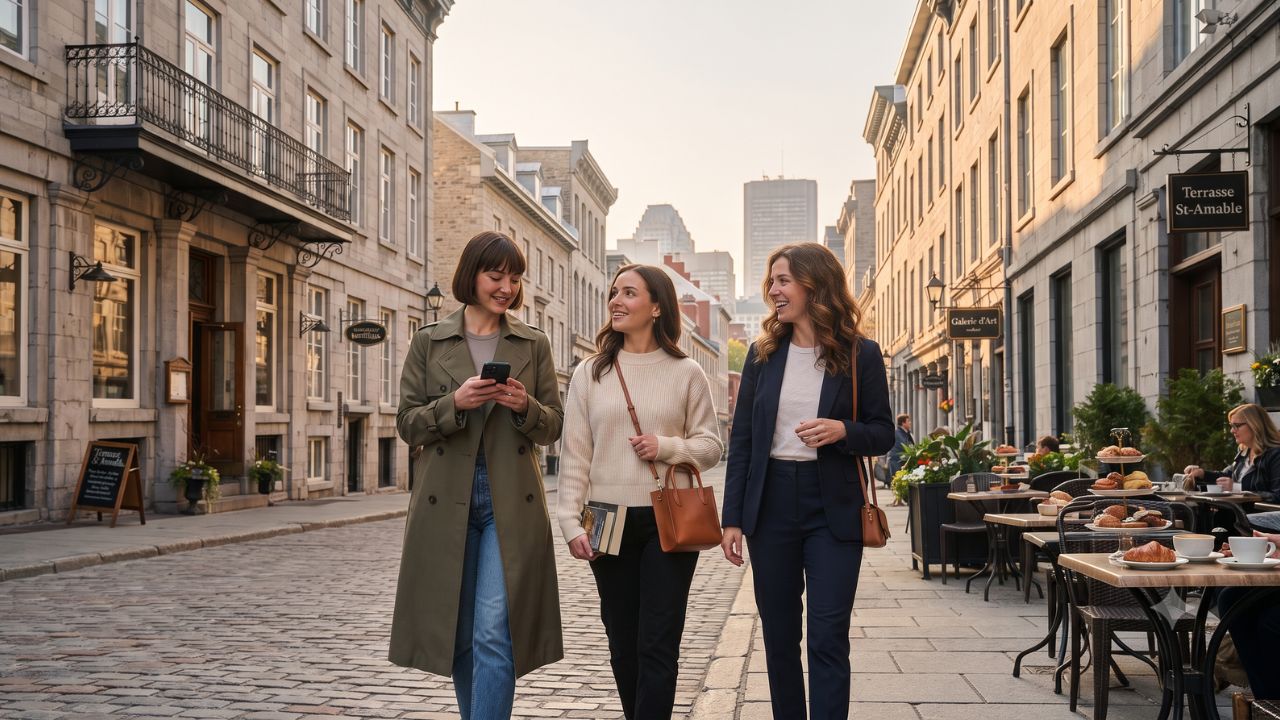
In a global survey of nearly 800,000 international travelers, Montreal has been named the sixth-best large city on Earth for 2026, standing as the only Canadian metropolis in the global top ten and outranking cultural titans such as Paris, Kyoto, Singapore, and Cape Town. Released in the 2026 Condé Nast Traveler Readers' Choice Awards, the index recognizes Montreal's distinct urban alchemy—where 17th-century French colonial cobblestones merge with North America's most dynamic culinary, artistic, and neighborhood cultures.
The recognition arrives as travelers increasingly turn away from single-monument sightseeing in favor of immersive, neighborhood-driven exploration. Complementing Montreal's success, Victoria, British Columbia, captured first place in the world's best small city category, highlighting Canada's dual strength across both metropolitan and boutique urban destinations.
Montreal's Global Ascent in the 2026 Urban Tourism Index
The 2026 global big-city index, led by Seoul, South Korea, reflects a pronounced shift in what travelers demand from modern urban journeys. Rather than evaluating cities solely on historic monuments or luxury retail strips, international visitors rewarded destinations that offer walkable public spaces, thriving outdoor cafe culture, accessible green canopies, and diverse local cuisine.
Montreal's sixth-place finish highlights its ability to deliver an authentic European ambiance within a modern North American framework. From the preserved stone facades of Old Montreal to the Victorian row houses and exterior spiral staircases of Le Plateau-Mont-Royal, the city functions as a collection of distinct cultural villages connected by efficient public transit and extensive cycling grids.
| Global Rank | Destination | Country | Signature Character | Key Urban Differentiator |
|---|---|---|---|---|
| 1 | Seoul | South Korea | High-tech urbanism & Joseon dynasty palaces | 24-hour street culture & design infrastructure |
| 6 | Montreal | Canada | Bilingual heritage, gastronomy, & arts | European architectural character in North America |
| Ranked Below Top 5 | Kyoto | Japan | Classical temples, gardens, & tea ceremonies | Sacred heritage & seasonal alpine vistas |
| Ranked Below Top 5 | Singapore | Singapore | Tropical futurism & hawker gastronomy | Architectural biodiversity & transit efficiency |
| Ranked Below Top 5 | Cape Town | South Africa | Table Mountain backdrop & coastal culture | Coastal winelands & dramatic topography |
| Ranked Below Top 5 | Paris | France | Classical fine art, haute couture, & avenues | Monumental historic architecture & riverfront culture |
What Makes Montreal Different: The North American European Metropolis
The core appeal of Montreal lies in its cultural dualism. As the second-largest French-speaking city in the developed world, it balances Francophone European charm with Canadian inclusivity and creative energy.
The city's urban design invites foot exploration. In Old Montreal (Vieux-Montréal), narrow stone alleys dating back to 1642 lead toward the Gothic Revival spires of Notre-Dame Basilica and the historic Old Port along the Saint Lawrence River. Just a short walk north, the urban character shifts into the Quartier des Spectacles, a dense entertainment district that hosts internationally renowned summer festivals, jazz performances, and outdoor digital art projections.
Montreal's culinary identity extends far beyond classic poutine. The city boasts more restaurants per capita than almost any other North American hub, supported by landmark public markets like Marché Jean-Talon in Little Italy and Marché Atwater in Saint-Henri. Here, travelers encounter local Quebec cheeses, maple delicacies, artisanal charcuterie, and seasonal produce alongside iconic wood-fired Montreal-style bagels from Mile End and legendary cured brisket from Saint-Laurent Boulevard.
Anchoring the city's topography is Mount Royal (Mont-Royal), the forested urban mountain designed by Frederick Law Olmsted (co-designer of New York's Central Park). The park provides miles of woodland walking paths, cross-country ski trails, and panoramic viewpoints overlooking the downtown skyline without leaving the city center.
Visitor Insider Tips for Touring Montreal's Arrondissements
Experiencing Montreal like a local requires stepping beyond standard downtown tourist corridors:
- Master the Metro and BIXI Bike Grid: Montreal is remarkably flat and connected. Use the Société de transport de Montréal (STM) underground metro system for fast transit across boroughs, or rent a BIXI shared bike to ride along protected cycle lanes on Boulevard de Maisonneuve and the Lachine Canal.
- Terrace Culture Timing: From late spring through autumn, Montrealers embrace la culture des terrasses. Sidewalk patios along Rue Saint-Denis, Avenue Mont-Royal, and Rue Bernard fill quickly on sunny afternoons; arrive by 4:00 p.m. to secure outdoor seating.
- Bagel Etiquette in Mile End: The city's famous wood-fired bagels are smaller, denser, and sweeter than New York-style bagels. Visit rival 24-hour bakeries Fairmount Bagel or St-Viateur Bagel to order hot sesame bagels straight from the wood-fired ovens.
- Explore Underground City (RÉSO): During colder months, navigate the RÉSO network—over 33 kilometers of heated underground pedestrian walkways linking metro stations, shopping centers, hotels, and universities beneath downtown Montreal.
- Neighborhood Hopping Strategy: Base yourself in Plateau-Mont-Royal, Mile End, or Griffintown rather than downtown chain hotels to experience neighborhood micro-bakeries, vintage boutiques, and independent coffee roasters.
Cultural and Environmental Context: Sustainable Urban Living
Montreal's international appeal is tied closely to its municipal commitment to sustainable urbanism and climate resilience. The city has pedestrianized major commercial arteries like Avenue Mont-Royal and Rue Sainte-Catherine Est during summer months, returning public space to residents and diners while reducing vehicle emissions.
Tourism organizations, including Tourisme Montréal and Destination Canada, actively promote sustainable travel practices that support local artisans and protect historic architecture. Preserving the 18th-century stone masonry of Old Montreal requires ongoing investment to protect heritage facades from harsh winter freeze-thaw cycles, funded through balanced municipal tax policies and responsible visitor management.
FAQ: Visiting Montreal 2026
Why did Montreal rank among the world's top big cities in 2026?
Montreal ranked sixth globally in the Condé Nast Traveler Readers' Choice Awards due to its exceptional culinary scene, historic architecture, walkable neighborhoods, and rich bilingual culture.
What is the best time of year to visit Montreal?
June through October offers warm weather, vibrant street festivals, outdoor terrace dining, and brilliant autumn foliage across Mount Royal.
Do I need to speak French to travel comfortably in Montreal?
While French is the official language, English is widely spoken across hotels, restaurants, shops, and tourist attractions. A basic greeting like "Bonjour" is warmly appreciated.
How do I get from Montreal-Trudeau Airport (YUL) to downtown?
Take the 747 Express Bus, which runs 24/7 directly between YUL Airport and downtown Montreal metro stations in approximately 45 to 60 minutes.
Blending centuries-old stone streetscapes with cutting-edge culinary innovation, Montreal stands among the world's most captivating urban destinations.
Related Travel Guides
Disclaimer
This article is for informational and educational purposes only. It does not constitute legal, financial, or professional advice. While we strive to provide accurate and up-to-date information, travel policies, regulations, and conditions change rapidly. Always verify information with official sources before making travel decisions. Nomad Lawyer makes no representations about the accuracy, reliability, completeness, or suitability of the information provided. Readers should consult qualified professionals for advice specific to their circumstances. The views expressed in this article are those of the author and do not necessarily reflect the views of Nomad Lawyer.
Raushan Kumar
Founder & Lead Developer
Full-stack developer with 11+ years of experience and a passionate traveller. Raushan built Nomad Lawyer from the ground up with a vision to create the best travel and law experience on the web.
Learn more about our team →