
Montenegro Travel Growth Reaches New Heights as Seventy Seven Thousand Tourists Boost September Visitor Numbers
Montenegro Travel Growth Reaches New Heights as Seventy Seven Thousand Tourists Boost September Visitor Numbers

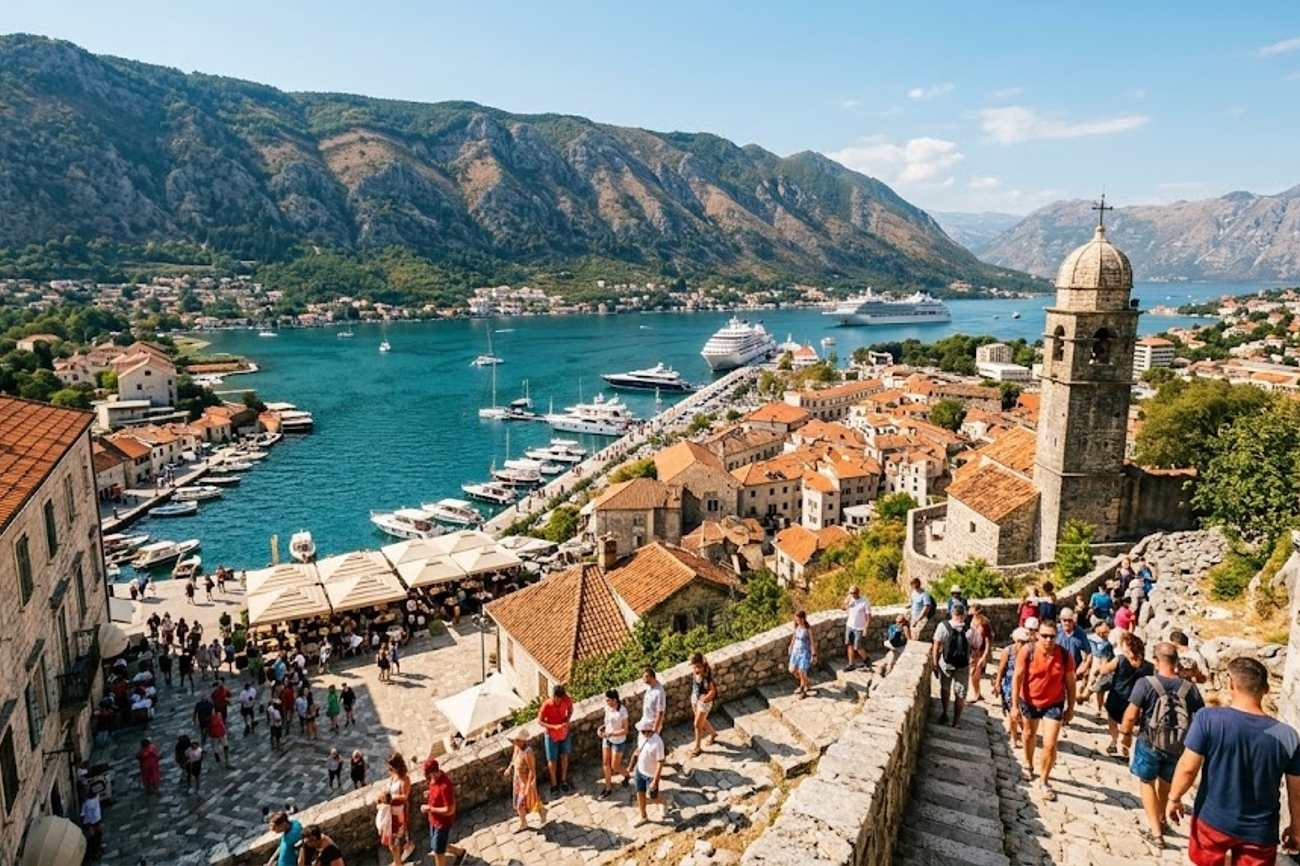
Image generated by AI
[Podgorica, September 2024] — Montenegro recorded 77,000 tourists on September 17, marking a significant surge in shoulder-season demand that exceeds both recent and pre-pandemic benchmarks.
The data, compiled from local tourism organizations and submitted to the National Tourism Organisation of Montenegro, reveals an 18 percent increase in visitor volume compared to the same date last year. More notably, the figures represent an 18 percent rise over September 2019, the primary industry benchmark used to measure recovery following global travel disruptions.
Shift in Seasonal Demand
The spike in arrivals is attributed to a strategic pivot by Montenegrin authorities to decouple the national economy from a strict reliance on the July-August peak. While the Adriatic coastline remains the primary draw, there is a measurable shift toward "shoulder season" travel, where visitors prioritize natural landscapes, mountain regions, and cultural heritage sites over traditional beach tourism.
This growth is not an isolated incident but a continuation of a high-performance summer. The current momentum suggests that the window for viable tourism in the Balkans is widening, as international travelers seek destinations with favorable weather and lower congestion than the mid-summer rush.
Market Impact and Distribution
The surge in visitors is distributed across several key sectors of the Montenegrin economy, moving beyond the coastal hubs to include inland destinations.
- Coastal Hubs: Continued dominance in visitor numbers, though experiencing a shift toward higher-value, longer-stay guests.
- Inland & Mountain Regions: Increased activity in national parks and adventure tourism hubs, reducing the seasonal "ghost town" effect in non-coastal municipalities.
- Hospitality Sector: Increased occupancy rates for accommodation providers, restaurants, and local transport services throughout September.
- Public Infrastructure: Higher utilization of regional transport networks and heritage site facilities.
Practical Traveler Advisory and Strategic Insights
For passengers and nomads planning a trip to Montenegro, these figures signal a transition in how the country operates during the autumn months.
Availability and Pricing With an 18 percent increase in volume, the "quiet" season is becoming more crowded. Travelers can no longer assume that September offers the same vacancy levels as previous years. This increased demand is likely to stabilize prices for hotels and rentals, preventing the steep discounts typically seen immediately after August.
Experience Quality The diversification of tourism means that infrastructure in the mountains and national parks is seeing more consistent use. Travelers will find more active tour operators and open dining options in the interior of the country during September than were available in 2019.
Entry and Logistics Increased visitor flow typically puts pressure on border crossings and airport arrivals. Travelers should monitor updates via the Ministry of Sustainable Development and Tourism to ensure smooth transit, especially as the country attempts to maintain this growth trajectory.
Revenue Growth and Infrastructure Investment
The increase in foot traffic is translating directly into state revenue. From January 1 through September 16, the collection of residence taxes—including portions allocated to the national budget—reached approximately €2 million.
This figure represents a 10 percent increase over the same period in the previous year. These funds are earmarked for the improvement of tourism infrastructure and destination management. For the traveler, this means a likely increase in the quality of public signage, road maintenance in tourist corridors, and the preservation of cultural sites.
Montenegro's tourism sector continues to expand beyond the traditional summer peak, with September figures reflecting a strong upward trend in international arrivals. Detailed statistics and promotional initiatives regarding these growth patterns are managed by the National Tourism Organization of Montenegro, which oversees the country's strategic destination marketing.
The correlation between the 18 percent rise in visitors and the 10 percent rise in tax revenue suggests a diversifying spend pattern, where visitors are engaging with a broader array of paid services and official accommodations rather than relying solely on unregulated rentals.
Future Trajectory of the Balkan Market
Montenegro is positioning itself as a resilient European alternative to the overcrowded hubs of Western Europe. By proving that it can sustain growth beyond the traditional summer window, the country is attempting to build a year-round tourism economy.
The focus is now shifting toward "adventure tourism" and "cultural escapes," which are less weather-dependent than beach holidays. If this trend continues, the industry can expect a permanent shift in flight scheduling and hotel staffing patterns, moving away from the "peak and trough" cycle that has historically defined the Adriatic region.
The ability to maintain an 18 percent lead over 2019 levels indicates that Montenegro is not merely recovering from the pandemic but is expanding its overall market share of the European travel sector.
FAQ: Montenegro Travel 2024
Is September a good time to visit Montenegro? Yes. Current data shows a surge in September travel due to favorable weather and lower crowds than August. However, with an 18 percent increase in visitors, early booking is now recommended for popular coastal and mountain lodges.
What are the best non-beach activities in Montenegro? Visitors are increasingly utilizing national parks, mountain hiking trails, and historic heritage sites. The growth in "shoulder season" travel is driven largely by these outdoor and cultural experiences.
Are there any new taxes for tourists in Montenegro? The residence tax remains in effect, contributing to a total of €2 million in revenue this year. This is typically collected by your accommodation provider and used to fund local tourism infrastructure.
How does current tourism compare to pre-pandemic levels? Montenegro is currently outperforming 2019 benchmarks. As of mid-September, visitor numbers are 18 percent higher than they were in the same period before the global travel disruptions.
Montenegro is no longer just a summer stop; it is becoming a year-round European powerhouse.
Related Travel Guides
- South Korea Pair Up With China and More as Tanzania Boosts Luxury Safari Tourism With New Ruaha Family Stay
- Beck Hole Yorkshire Becomes Autumn Travel Gem as Hikers Discover Historic Riverside Pub and Scenic Walks
- Nepal Unlocks New Tourism Potential as Rara Lake Welcomes More Than Twenty-Four Thousand Travellers Amid Rising Demand
Disclaimer
This article is for informational and educational purposes only. It does not constitute legal, financial, or professional advice. While we strive to provide accurate and up-to-date information, travel policies, regulations, and conditions change rapidly. Always verify information with official sources before making travel decisions. Nomad Lawyer makes no representations about the accuracy, reliability, completeness, or suitability of the information provided. Readers should consult qualified professionals for advice specific to their circumstances. The views expressed in this article are those of the author and do not necessarily reflect the views of Nomad Lawyer.
Naina Thakur
Contributor & Travel Specialist
Travel enthusiast and legal writer covering visa regulations, responsible tourism, and cultural journeys across global destinations.
Learn more about our team →