
Montana Tourism Shifts to High-Value Strategy as Nonresident Spending Hits Record $5.6 Billion Amid Glacier National Park Rule Changes: Everything You Need to Know
Montana records $5.6B in tourism spending despite a 4% visitor drop as Glacier National Park removes Going-to-the-Sun Road reservations in 2026.

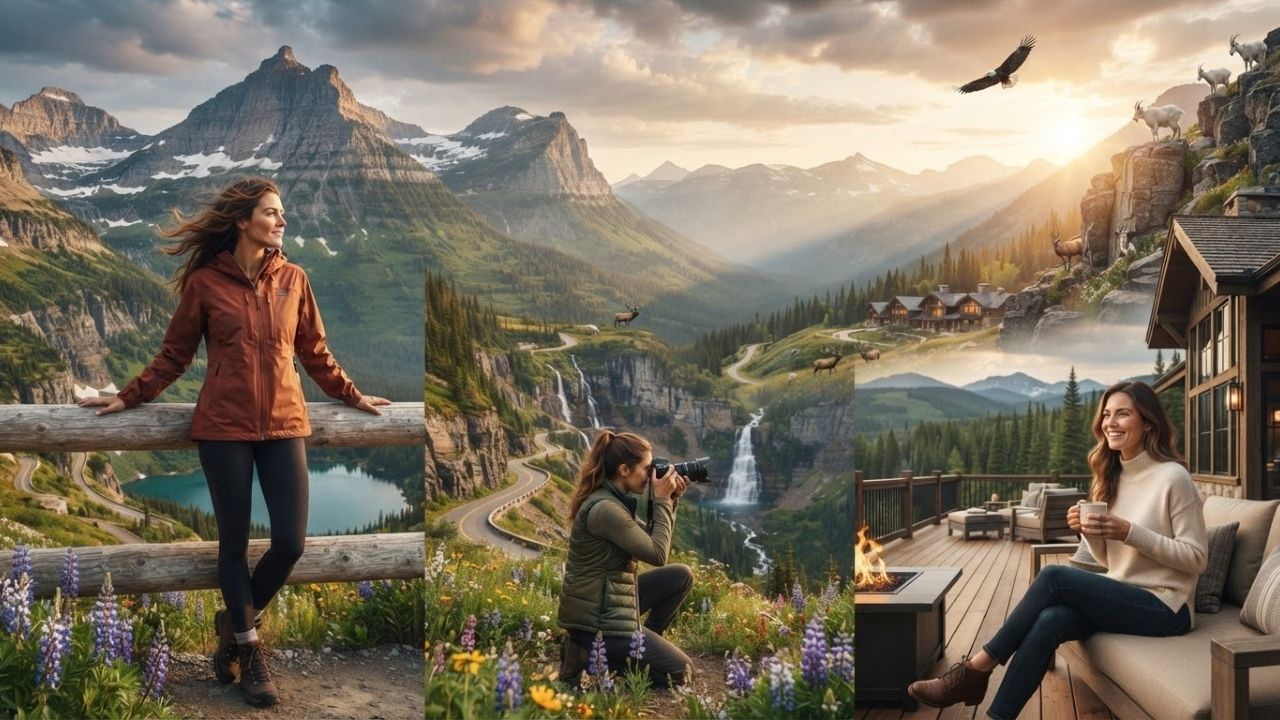
Image generated by AI
Verified data released in July 2026 by the University of Montana’s Institute for Tourism and Recreation Research (ITRR) confirms that Montana’s visitor economy has achieved a record US$5.6 billion in nonresident spending, even as total visitor volume experienced a 4 percent decline from historical peaks. Driven by a surge in high-income travelers, a demographic shift toward older demographics, and operational changes at Glacier National Park—including the complete elimination of vehicle reservations on Going-to-the-Sun Road—the state is pivoting from volume-driven tourism to sustainable, high-value destination management.
Quick Summary
- Record Financial Impact: Nonresident visitor spending in Montana climbed to an all-time high of US$5.6 billion despite an overall 4% drop in visitor numbers.
- Glacier Park Access Rule Shift: Glacier National Park has completely discontinued vehicle reservations for Going-to-the-Sun Road in 2026, restoring spontaneous road access.
- New Parking & Shuttle Pilots: A 3-hour parking limit pilot was implemented at Logan Pass, paired with an online guaranteed-seat express shuttle system.
- Canadian Cross-Border Decline: Cross-border arrivals from Saskatchewan and Alberta fell sharply due to a weaker Canadian dollar and trade disputes, impacting Whitefish and Big Sky.
- Regional Diversification: State initiatives like The Montana Tour and the Montana Indigenous Tourism Trail Project are guiding travelers toward towns like Missoula, Butte, Ennis, and Virginia City.
Context and Background: Montana’s High-Value Tourism Model
The state of Montana is undergoing a fundamental realignment in how it measures tourism success. Rather than pursuing endless volume growth, state officials and tourism researchers at the University of Montana (ITRR) are focusing on visitor yield, economic impact per stay, and ecological preservation.
While external pressures—such as inflation, a weakening Canadian dollar, and overtourism warnings on travel "No Lists"—have reduced overall visitor numbers, high-spending domestic travelers seeking luxury outdoor experiences have more than compensated for the drop. Combined with new visitor management policies across Glacier National Park, Montana is establishing a template for sustainable destination management across the American West.
Event Details: Spending Figures, Canadian Trends, and Glacier Park Reforms
The July 2026 ITRR report outlines several key drivers behind Montana’s $5.6 billion record tourism expenditure and operational changes:
Demographic Shift Toward High-Spending Travelers
Data indicates that Montana’s primary visitor demographic has shifted toward travelers aged 65 to 69 years with higher disposable incomes. These visitors prioritize smaller, exclusive experiences—such as private flyfishing outfitters, luxury wellness retreats, and guided wildlife safaris—spending significantly more per day than traditional budget road-trippers.
Sharp Drop in Canadian Cross-Border Travel
U.S. Customs and Border Protection data confirms that tens of thousands fewer Canadian travelers crossed into Montana from neighboring Saskatchewan and Alberta. A depreciated Canadian dollar, trade tensions, and targeted travel boycotts disproportionately impacted border-adjacent resort communities like Whitefish and Big Sky.
2026 Glacier National Park Operational Overhaul
- Removal of Vehicle Reservations: Glacier National Park eliminated the advance ticket reservation requirement for Going-to-the-Sun Road and surrounding valleys, making spontaneous visits possible again.
- Logan Pass Timed Parking Pilot: Park authorities introduced a 3-hour parking limit at Logan Pass to encourage continuous vehicle turnover at the popular alpine lookout.
- Guaranteed Express Shuttle Service: Replacing the old first-come, first-served system, hikers can now reserve guaranteed-seat express shuttles online the evening prior to travel, bypassing intermediate stops like Avalanche Creek to reach trailheads directly.
Statewide Tourism Diversification
To reduce environmental strain on northern parks, the Montana Department of Commerce expanded The Montana Tour, promoting historic communities such as Missoula, Butte, Ennis, and Virginia City. Concurrently, the Montana Indigenous Tourism Trail Project provides direct funding to tribal nations to expand authentic Native American cultural experiences.
Table: Montana 2026 Tourism Transition & Glacier Park Rules
| Key Metric / Policy Area | Operational Details & Data Points | Economic & Traveler Impact |
|---|---|---|
| Nonresident Visitor Spending | US$5.6 Billion (Record High) | +$5.6B revenue despite a 4% total visitor volume decline |
| Glacier Vehicle Reservations | Completely Discontinued in 2026 | Restores spontaneous access on Going-to-the-Sun Road |
| Logan Pass Parking Management | 3-Hour Timed Parking Limit pilot | Ensures rapid vehicle turnover at peak alpine viewpoints |
| Park Transit System | Guaranteed-Seat Express Shuttle | Booked online evening prior; bypasses stops like Avalanche Creek |
| Canadian Border Crossings | Decline from Saskatchewan & Alberta | Impacted border gateway towns including Whitefish & Big Sky |
| Regional Diversification | The Montana Tour & Indigenous Trail | Promotes Missoula, Butte, Ennis, Virginia City & Tribal Lands |
Risks, Overtourism Concerns, and Traveler Guidelines
Navigating Montana’s changing travel rules involves managing specific logistical and financial factors:
- Strict Parking Limits at Logan Pass: Enforcement of the 3-hour parking limit means hikers exceeding their time slot risk parking citations or vehicle towing.
- Elevated Premium Accommodation Costs: Luxury resort pricing in Big Sky and Whitefish remains at all-time highs as properties cater to high-yield travelers.
- Overtourism & Fodor's "No List" Coverage: Media attention regarding climate change ("last-chance tourism") and trail congestion requires visitors to practice strict Leave No Trace principles.
- Express Shuttle Pre-Booking Windows: Online shuttle seats for Glacier National Park open the evening before travel and sell out rapidly during peak summer months.
What Authorities and Tourism Leaders Are Saying
Researchers at the University of Montana’s ITRR emphasize that generating record economic returns from fewer overall visitors represents a major win for state infrastructure and environmental preservation.
Officials at the Montana Department of Commerce noted that expanding The Montana Tour and supporting the Montana Indigenous Tourism Trail Project allows rural communities and tribal nations to share directly in the state’s $5.6 billion visitor economy. Furthermore, Glacier National Park rangers confirmed that replacing vehicle reservations with timed parking at Logan Pass provides a more flexible visitor experience while managing congestion.
Practical Advice for Visitors to Montana and Glacier National Park
Travelers planning trips to Montana in 2026 should utilize these actionable guidelines:
- Reserve Express Shuttle Seats the Night Before: Log onto the official Glacier National Park portal at 7:00 PM the evening before your hike to secure guaranteed express shuttle tickets to Logan Pass.
- Plan Around Logan Pass Parking Time Limits: Respect the 3-hour parking limit at Logan Pass by selecting shorter alpine loops (such as the Hidden Lake Overlook) or utilizing park shuttles for longer backcountry treks.
- Explore "The Montana Tour" Road-Trip Corridors: Diversify your itinerary by spending time in historic cultural centers like Missoula, Butte, Ennis, and Virginia City.
- Engage with Indigenous Tourism Experiences: Visit tribal cultural centers and guided heritage tours supported by the Montana Indigenous Tourism Trail Project.
- Take Advantage of Reservation-Free Access: Enjoy spontaneous drives along Going-to-the-Sun Road without needing advance vehicle permits.
Broader Context: Sustainable Tourism Across the American West
Montana’s shift toward a high-value, lower-volume tourism model mirrors broader trends across mountain states in the American West. Facing infrastructure limits and ecological degradation, destinations are prioritizing visitor management over raw passenger expansion.
By balancing luxury hospitality offerings with public land access reform and tribal tourism partnerships, Montana is building a sustainable economic framework that protects its wild landscapes for future generations.
What to Expect Next in Montana Tourism
State officials will continue monitoring the results of the Logan Pass timed parking pilot and the express shuttle system throughout the remaining 2026 summer season.
Feedback gathered by the University of Montana ITRR will inform future transport planning and regional promotional campaigns into 2027, ensuring Montana remains a premier destination for high-value travel.
Conclusion
Montana’s record US$5.6 billion in nonresident spending proves that higher visitor value can successfully replace sheer tourist volume. With Glacier National Park discontinuing vehicle reservations on Going-to-the-Sun Road, introducing guaranteed express shuttles, and expanding regional routes like The Montana Tour, travelers enjoy improved flexibility and world-class experiences. Visitors planning a Montana adventure should embrace sustainable travel habits, book shuttle tickets early, and explore the state's rich natural and cultural heritage.
Frequently Asked Questions (FAQ)
1. Do I need a vehicle reservation to drive Going-to-the-Sun Road in 2026?
No. Glacier National Park has completely discontinued its vehicle reservation system for Going-to-the-Sun Road and surrounding valleys in 2026.
2. How does the 3-hour parking limit work at Logan Pass?
A pilot timed parking program enforces a 3-hour parking limit at Logan Pass to ensure continuous parking space turnover for visitors taking short alpine walks.
3. How do I book the new Glacier National Park express shuttle?
Guaranteed-seat express shuttle tickets can be purchased online through the park's official portal the evening before travel, providing direct transit to Logan Pass without stopping at intermediate points like Avalanche Creek.
4. Why did Montana record higher spending despite having 4% fewer visitors?
A demographic shift toward higher-income travelers (aged 65–69), increased demand for luxury outfitters and wellness retreats, and higher accommodation rates pushed total spending to a record US$5.6 billion.
5. What is "The Montana Tour" initiative?
It is a state promotional campaign by the Montana Department of Commerce designed to spread tourism spending into lesser-known historic communities, including Missoula, Butte, Ennis, and Virginia City.
SEO & Metadata Specifications
- Suggested Meta Title (58 characters): Montana Tourism Spending Hits $5.6B | Glacier Park 2026
- Suggested Meta Description (153 characters): Montana records $5.6B in tourism spending despite a 4% visitor drop as Glacier National Park removes Going-to-the-Sun Road reservations in 2026.
- URL Slug:
montana-glacier-national-park-tourism-spending-2026 - Article Tags:
Montana Tourism,Glacier National Park,Going-to-the-Sun Road,Big Sky Montana,US Travel Alert - Featured Image Alt Text: Glacier National Park Going-to-the-Sun Road alpine landscape highlighting Montana high-value tourism shift.
Related Travel Guides
Disclaimer
This article is for informational and educational purposes only. It does not constitute legal, financial, or professional advice. While we strive to provide accurate and up-to-date information, travel policies, regulations, and conditions change rapidly. Always verify information with official sources before making travel decisions. Nomad Lawyer makes no representations about the accuracy, reliability, completeness, or suitability of the information provided. Readers should consult qualified professionals for advice specific to their circumstances. The views expressed in this article are those of the author and do not necessarily reflect the views of Nomad Lawyer.
Kunal K Choudhary
Co-Founder & Contributor
A passionate traveller and tech enthusiast. Kunal contributes to the vision and growth of Nomad Lawyer, bringing fresh perspectives and driving the community forward.
Learn more about our team →