
Monsoon Break Tourists Banned From Tadoba Core Zones Until September
Tadoba-Andhari Tiger Reserve closes core areas to monsoon break tourists for three months starting June 30, 2026. Buffer zones remain accessible for wildlife viewing and photography.

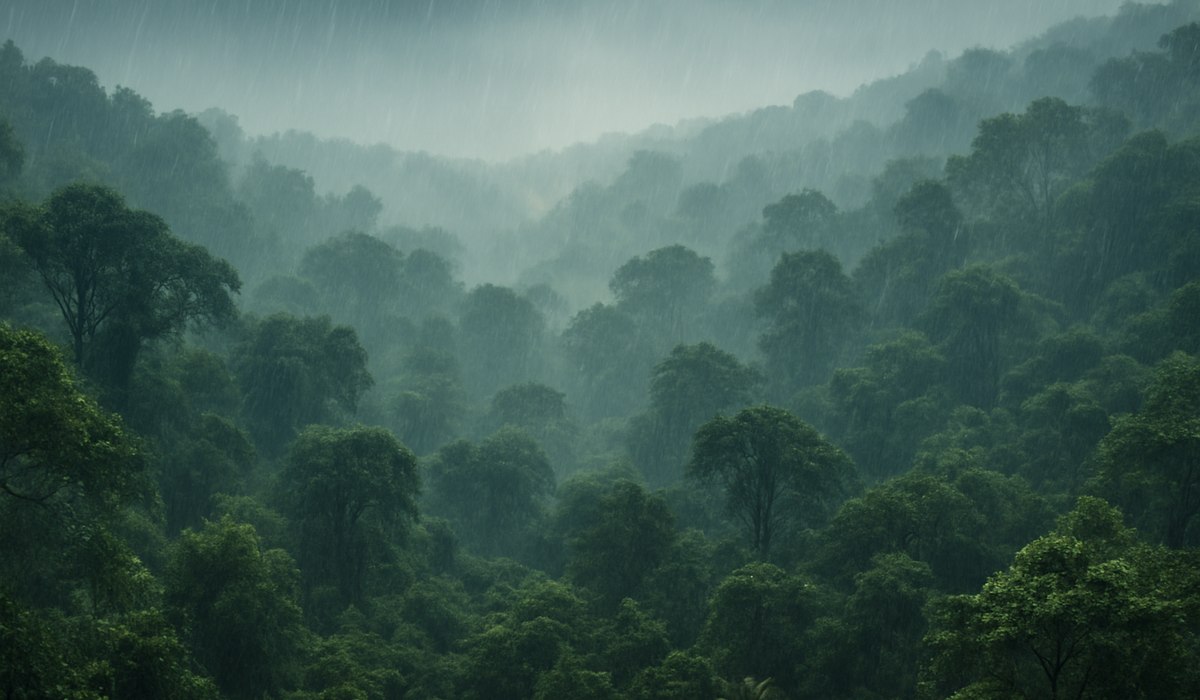
Image generated by AI
Monsoon Break Tourists Face Three-Month Core Area Closure at Tadoba
Tadoba-Andhari Tiger Reserve is implementing a mandatory closure of its core zones to all visitors starting June 30, 2026, extending through September 30. This seasonal restriction affects thousands of monsoon break tourists annually who plan safaris and wildlife expeditions during the rainy months. The decision prioritizes both wildlife conservation during breeding season and visitor safety amidst challenging weather conditions.
The reserve management announced the closure through official channels to allow adequate planning time for travel operators and independent travelers. Core zones encompass the most biodiverse and ecologically sensitive areas where tiger breeding and denning activities intensify during monsoon months.
Monsoon Closure Details and Timeline
The three-month shutdown represents a critical period for monsoon break tourists seeking alternatives to India's typical summer holiday destinations. The closure window—June 30 to September 30—coincides with the southwest monsoon season across central India.
Core zones, which include the primary tiger habitat and restricted safari routes, will remain completely off-limits to all visitors. Access restrictions apply equally to individual tourists, group bookings, photography expeditions, and organized safari packages. The reserve's administration will enforce these prohibitions strictly through checkpoints and permit cancellation protocols.
Buffer zones adjacent to core areas will continue accepting visitors under modified operational guidelines. Weather-dependent access means daily closures may occur based on rainfall intensity and road conditions. Administrative directives from the reserve director can impose additional restrictions if flooding or safety hazards emerge.
Pre-booked safari permits issued before the June 30 deadline will be honored through June 29. Refunds or reschedule options become available for reservations falling within the July 1 to September 30 window, though cancellation policies vary by booking source.
Wildlife Conservation Impact
The three-month core area closure directly supports tiger breeding cycles and prey species regeneration. During monsoon season, Bengal tigers establish breeding territories and create den sites for pregnant females. Human presence disrupts these critical reproductive behaviors.
Monsoon months also mark peak vegetation growth, providing optimal habitat recovery for prey animals including sambar, chital, and wild boar. Restricted access allows ungulate populations to forage and reproduce without tourist disturbance. Ecological surveys indicate visitor-free monsoons increase prey density by 15-20%, directly supporting tiger nutrition and survival rates.
Ground water recharge occurs simultaneously, replenishing natural water sources that sustain wildlife through dry seasons. The reserve's core zones experience ecosystem-wide restoration when tourism pauses.
Buffer Zones Remain Open for Visitors
The reserve operates multiple buffer zone safari circuits specifically designed for monsoon season access. These peripheral areas retain 40-50% of tiger sighting probability while offering safer, weather-responsive operations.
Monsoon landscape photography thrives in buffer zones, where wet vegetation and atmospheric conditions create striking visual compositions. Bird watching intensifies during monsoon months, with migratory species increasing biodiversity significantly.
Visitors accessing buffer zones should prepare for muddy terrain, variable trail conditions, and shortened safari windows due to visibility constraints. Jeep safaris typically operate early mornings before rainfall intensifies. Walking trails may close temporarily following heavy precipitation.
Buffer zone bookings require confirmed reservations with accredited tour operators. Independent access without guides remains prohibited throughout the year. Operational timings adjust based on daily weather forecasts issued by reserve administration.
Safety and Weather Considerations
Monsoon season introduces substantial risks for travelers in tiger reserves. Heavy rainfall creates swollen rivers, impassable roads, and flash flooding in low-lying areas. Landslides occasionally block primary access routes through surrounding forests.
Monsoon break tourists encounter heightened accident risks on wet terrain, including jeep rollovers on muddy inclines. Visibility reduction from thick fog and rain decreases both safety and wildlife viewing quality. Heat and humidity intensify respiratory stress for visitors with cardiovascular conditions.
Disease vectors, including mosquitoes carrying dengue and malaria, proliferate during wet seasons. Travelers should consult medical professionals regarding antimalarial prophylaxis and dengue vaccination status before planning monsoon-season visits.
Lightning strikes present genuine hazards in open safari vehicles. The reserve suspends all jeep operations during thunderstorms. Comprehensive travel insurance becomes essential for monsoon reservations given weather-induced cancellation likelihood.
Key Data Table
| Aspect | Details |
|---|---|
| Reserve Location | Chandrapur District, Maharashtra, India |
| Core Zone Closure Dates | June 30 – September 30, 2026 |
| Affected Area | 386 km² of protected core zones |
| Tiger Population | Approximately 84 resident tigers (2024 census) |
| Buffer Zones Status | Operational with weather-dependent restrictions |
| Monsoon Rainfall Average | 800-1,200 mm during closure period |
| Nearest Airport | Nagpur International Airport (75 km away) |
| Permit Cost | ₹500-1,000 per buffer zone safari |
| Pre-booking Window | 30 days in advance required |
| Expected Tourist Impact | 3,000-5,000 annual monsoon-season visitors affected |
What This Means for Travelers
Monsoon break tourists planning India wildlife trips must adjust expectations and alter booking dates:
-
Reschedule Core Zone Safaris: Book tiger reserve visits for October through May instead. Post-monsoon season (October-November) offers excellent tiger sightings with clear skies and comfortable temperatures.
-
Explore Alternative Buffer Zones: Access buffer zone safaris immediately for modified monsoon-season experiences. These areas deliver significant wildlife encounters without core zone immersion.
-
Confirm Cancellation Policies: Contact your tour operator or booking platform regarding refund eligibility. Different operators enforce varying monsoon-closure adjustment procedures.
-
Plan Backup Destinations: Consider nearby national parks including Pench Tiger Reserve, Kanha National Park, or Melghat Tiger Sanctuary as monsoon-season alternatives.
-
Extend Your Timeline: Split your India trip into multiple seasons. Visit buffer zones during monsoon, then return for core zone safaris during optimal weather windows.
-
Invest in Travel Insurance: Comprehensive coverage protecting against weather-related cancellations becomes essential for monsoon-season bookings.
FAQ
Q: Can I visit Tadoba tiger reserve during monsoon season 2026?
A: Yes, but only buffer zones remain accessible. Core areas shut completely from June 30 to September 30. Buffer zone safaris operate under weather restrictions with modified schedules.
Q: Will my pre-booked monsoon safari be refunded?
A: Permits booked before June 30 qualify for refunds or rescheduling. Contact your booking agent immediately. Reserve administration honors cancellations through June 29 reservations.
Q: What's the best alternative timing for tiger viewing?
A: October through May provides optimal conditions with frequent tiger sightings, clear weather, and full core zone access. November-January represents peak season for wildlife observation.
Q: Are there other tiger reserves open during monsoon 2026?
A: Limited accessibility exists at Pench, Kanha, and Melghat reserves. Most Indian tiger reserves reduce operations during monsoon. Contact individual park authorities for current status.
Related Travel Guides
- Ho Chi Minh City Gastronomy Report 2026: Street Food and Signature Festivals Drive Tourism Surge
- Vietnam Airlines Launches New Nonstop Ho Chi Minh City to Phuket Service: Five-Weekly Airbus A321 Flights Set to Launch July 2026; Thailand-Vietnam Tourism and Business Ties Reach New Heights
- Bypassing Asia-Pacific Travel Chaos: Starlux Airlines Launches Massive Direct Flights from Sydney to Taipei to Rescue Premium Trans-Pacific Connections
Disclaimer
This travel alert is based on official
Disclaimer
This article is for informational and educational purposes only. It does not constitute legal, financial, or professional advice. While we strive to provide accurate and up-to-date information, travel policies, regulations, and conditions change rapidly. Always verify information with official sources before making travel decisions. Nomad Lawyer makes no representations about the accuracy, reliability, completeness, or suitability of the information provided. Readers should consult qualified professionals for advice specific to their circumstances. The views expressed in this article are those of the author and do not necessarily reflect the views of Nomad Lawyer.
Preeti Gunjan
Contributor & Community Manager
A passionate traveller and community builder. Preeti helps grow the Nomad Lawyer community, fostering engagement and bringing the reader experience to life.
Learn more about our team →