
Mongolia Adventure Guide: Navigating the Ulaanbaatar to Ölgii Gateway for Altai Mountains 2026
Master the logistics of reaching Mongolia's remote west, using Ölgii as your strategic base for Altai Tavan Bogd National Park expeditions and Kazakh nomadic cultural immersions.

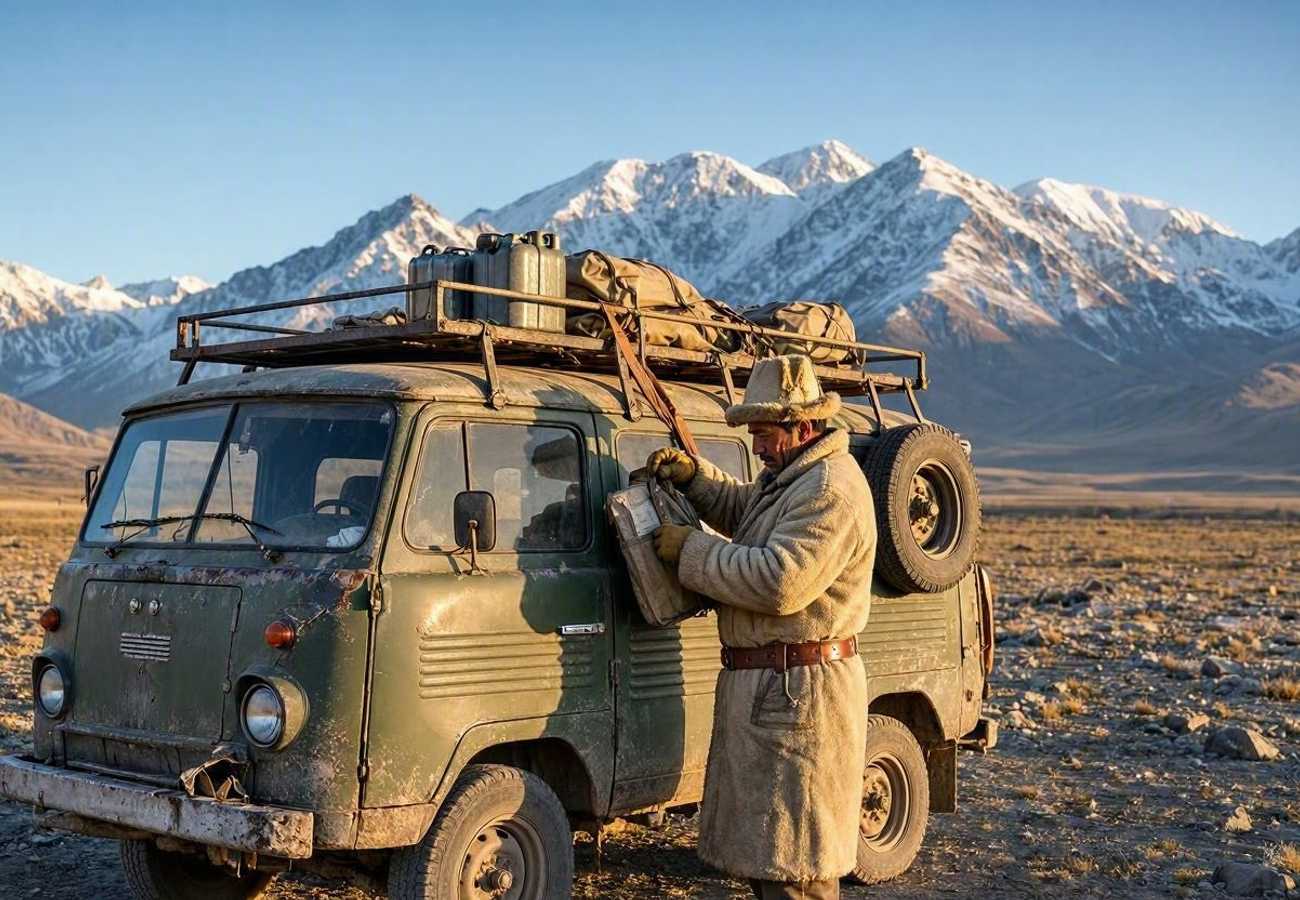
Image generated by AI
Are you planning a high-altitude expedition to the Altai Mountains but unsure how to bridge the gap between the capital and the remote west? Navigating the transit corridor from Ulaanbaatar to Ölgii is the single most important logistical step for any traveler seeking the glaciers and nomadic traditions of the Bayan-Ölgii Province.
The Western Mongolia Transit Pivot
For the modern adventure traveler, the journey to the Altai Mountains is not a simple commute but a strategic transition between two distinct hubs. Ulaanbaatar serves as the primary international entry point, handling the bulk of the 734,273 foreign visitors recorded through September 2026. However, the real operational heart of the west is Ölgii.
Ölgii functions as the essential staging ground. It is the provincial capital of Bayan-Ölgii and the final outpost of urban services before you enter the wilderness of Altai Tavan Bogd National Park. This park is a massive protected area spanning 636,161 hectares, characterized by its alpine valleys and the towering Khüiten Uul, which stands as Mongolia's highest peak at 4,374 metres.
The transit logic is simple: Ulaanbaatar provides the global connection, while Ölgii provides the regional access. Without a coordinated plan to move between these two cities, accessing the remote glaciers and Kazakh eagle-hunting communities is nearly impossible.
Route and Schedule Details
Travelers should view their journey as a two-stage process. The first stage is the long-haul transit from the capital to the west, and the second is the expedition launch from the provincial hub.
| Route | Frequency | Primary Mode | Duration | Status |
|---|---|---|---|---|
| Ulaanbaatar $\rightarrow$ Ölgii | Scheduled | Domestic Flight / 4x4 | Variable | Active |
| Ölgii $\rightarrow$ Altai Tavan Bogd | On-Demand | Russian UAZ / Horse | Multi-Day | Expedition Only |
| Ölgii $\rightarrow$ Local Villages | Daily | Local Transport | Short Haul | Active |
Traveler Logistics Guide
Planning a trip to the Altai region requires a different mindset than standard tourism. You are moving from a modern city to a frontier environment. Follow these step-by-step logistics to ensure a seamless transition.
1. The Ulaanbaatar Connection Upon arrival in Ulaanbaatar, do not attempt to drive straight to the west unless you are in a professional expedition convoy. The distance is vast and the terrain challenging. Use the capital to secure your final permits and gear. For official entry requirements and visa updates, check the Mongolian Embassy or official government portals.
2. Transitioning to Ölgii The most efficient way to reach the west is via domestic flights. Once in Ölgii, you are in the heart of Kazakh nomadic culture. This is where you must hire your specialist guides. Avoid generic tour operators; instead, seek out local guides certified in high-altitude trekking and glacier exploration.
3. Entering Altai Tavan Bogd National Park Access to the park is strictly regulated to protect the 636,161 hectares of fragile ecosystem.
- Transport: You will likely utilize Russian UAZ vans, which are the gold standard for this terrain.
- Baggage: Pack in waterproof, durable duffels. Your gear will be shifted between vehicles and horses.
- Accommodations: Expect a mix of sustainable camps and traditional gers.
4. Digital and Physical Prep While Ulaanbaatar is digitally connected, Ölgii and the Altai Mountains have sporadic connectivity. Download offline maps and ensure you have a satellite communication device if you are heading toward Khüiten Uul. For broader regional travel standards and safety, refer to the World Tourism Organization (UNWTO).
Regional Connectivity Impact
The strengthening of the Ölgii-Ulaanbaatar axis is shifting Mongolia away from mass tourism and toward a high-value, low-density model. By positioning Ölgii as a specialized gateway, the region is attracting premium adventure travelers—photographers, mountaineers, and cultural researchers—rather than high-volume tour groups.
This shift is creating a new economic ecosystem in the Bayan-Ölgii Province. Instead of large hotels, the growth is seen in community-based tourism and professional guide training. This ensures that the economic benefits of visiting the Altai Mountains stay within the local Kazakh communities.
For the traveler, this means the experience remains authentic. You are not visiting a curated "tourist zone" but are instead participating in a living cultural landscape. The focus is now on longer stays and deeper interactions, which reduces the environmental footprint on the alpine lakes and glaciers of the national park.
FAQ: Altai Mountains Transit 2026
Do I need a special permit for Altai Tavan Bogd National Park? Yes, entry to the protected 636,161-hectare area requires official permits. These are typically arranged by your licensed guide in Ölgii or your tour operator in Ulaanbaatar before departure.
How long should my layover be in Ölgii? I recommend at least 48 hours in Ölgii. This allows you to finalize logistics with your guides, procure last-minute supplies, and acclimatize before heading to the 4,374-metre peaks.
Can I check my bags through from Ulaanbaatar to the mountains? No. Baggage is checked to Ölgii. From there, you are responsible for transferring gear into expedition vehicles or onto pack horses for the journey into the national park.
What is the best time to visit the Altai region? The window for high-altitude trekking and glacier exploration is narrow, typically from June to September. Outside of this, the remote roads from Ölgii become impassable due to extreme weather.
Prepare for the silence of the Altai, but plan your logistics with precision.
Related Travel Guides
Disclaimer
This article is for informational and educational purposes only. It does not constitute legal, financial, or professional advice. While we strive to provide accurate and up-to-date information, travel policies, regulations, and conditions change rapidly. Always verify information with official sources before making travel decisions. Nomad Lawyer makes no representations about the accuracy, reliability, completeness, or suitability of the information provided. Readers should consult qualified professionals for advice specific to their circumstances. The views expressed in this article are those of the author and do not necessarily reflect the views of Nomad Lawyer.
Naina Thakur
Contributor & Travel Specialist
Travel enthusiast and legal writer covering visa regulations, responsible tourism, and cultural journeys across global destinations.
Learn more about our team →