
Minnesota's Anoka Overtakes Massachusetts and Florida in 2026 Halloween Tourism Rankings
Minnesota has emerged as the premier US Halloween destination for 2026, with Anoka's traditional celebrations outperforming established hubs like Salem and Orlando in recent travel indices.

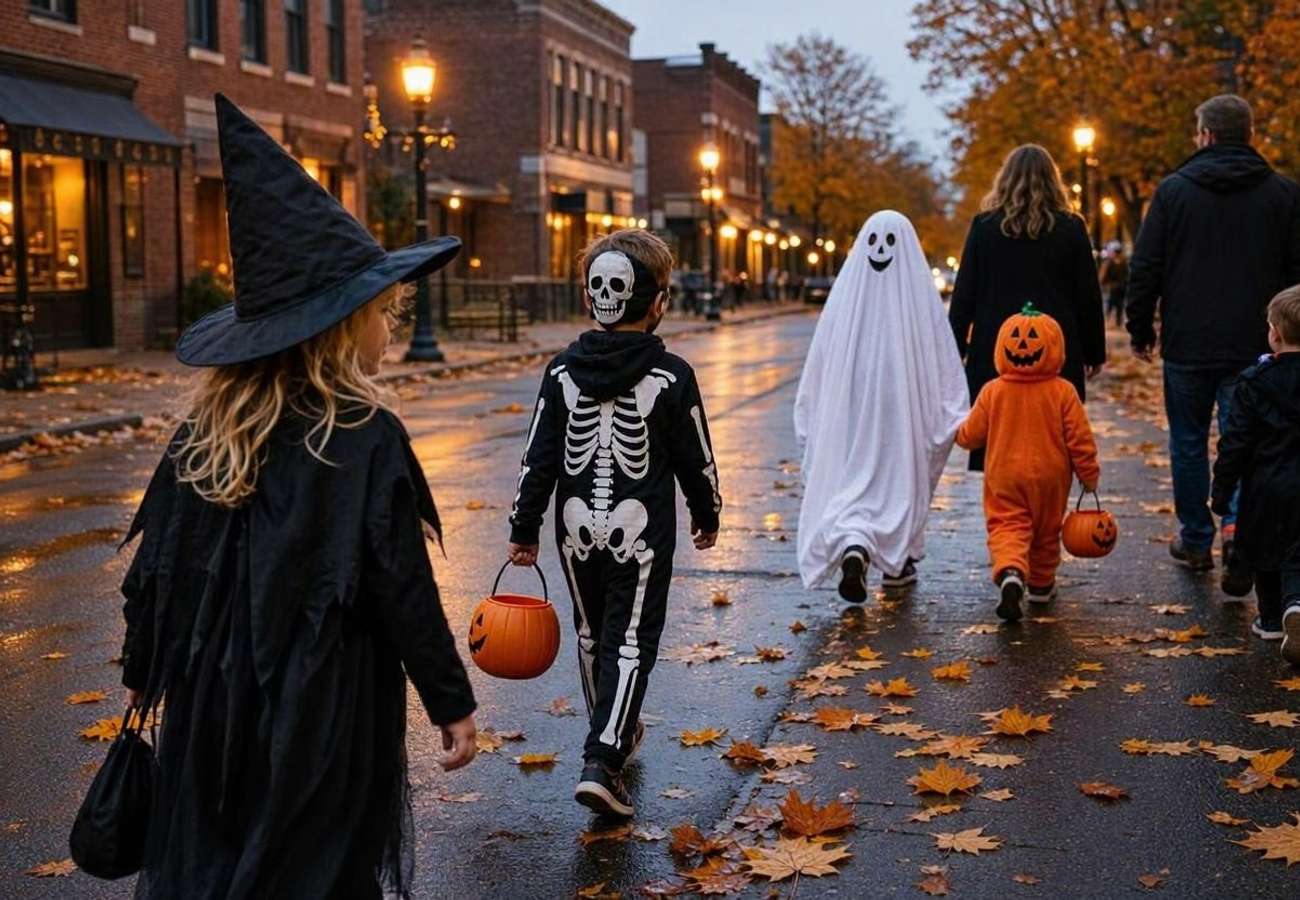
Image generated by AI
Seasonal travel patterns in the United States have shifted significantly, with Minnesota now outpacing traditional powerhouses like Massachusetts and Florida in the 2026 Halloween tourism rankings. While the East Coast has historically dominated the "dark tourism" sector, current data indicates a pivot toward community-centric, traditional celebrations over purely commercial or historical attractions.
The Trend in Numbers: Seasonal Migration Patterns
The 2026 travel data reveals a diversification of how tourists consume Halloween experiences. Minnesota has secured the top spot primarily through Anoka, the self-proclaimed Halloween Capital of the World. This shift suggests a growing consumer preference for immersive, town-wide community events—such as the Anoka Halloween Grand Day Parade—over the isolated "scare zones" found in theme parks.
However, raw popularity does not always align with attraction density. According to the Halloween Universe Haunt Index, which measures the concentration of haunted attractions per 10,000 residents, smaller states are showing higher saturation levels than the high-volume tourist hubs. New Hampshire currently leads this metric (excluding Minnesota and Washington, DC) with 0.12 attractions per 10,000 residents. This is closely followed by North Dakota, North Carolina, Alaska, and Maine, all recording approximately 0.11 attractions per 10,000 residents.
Comparative Market Analysis: Tradition vs. Commercialization
The current market is split between three distinct "Halloween Personas": the Heritage Traveler (Massachusetts), the Thrill-Seeker (Florida), and the Traditionalist (Minnesota). While Salem, Massachusetts, maintains its grip on heritage tourism via the 1692 witch-trial history, Florida has successfully decoupled Halloween from autumn weather, utilizing Universal Orlando Resort to maintain high visitor volumes through Halloween Horror Nights.
The following table breaks down the primary drivers for the top-performing US Halloween markets in 2026:
| State | Primary Destination | Core Driver | Target Demographic |
|---|---|---|---|
| Minnesota | Anoka | Community Parades/Festivals | Families & Traditionalists |
| Massachusetts | Salem | Colonial History/Witch Trials | Heritage & Culture Seekers |
| Florida | Orlando | Immersive Horror/Theme Parks | Gen Z & Horror Enthusiasts |
| New York | Sleepy Hollow | Folklore/Headless Horseman | Literary & History Fans |
| Louisiana | New Orleans | Voodoo/French Quarter Ghost Tours | Nightlife & Paranormal Seekers |
| Oregon | St. Helens | Film Heritage (Halloweentown) | Cinema Fans & Families |
What This Means for Travelers
The shift in rankings suggests that the most "authentic" experiences are moving toward the Midwest. If you are planning a trip for October 2026, the data indicates a need for different booking strategies based on the destination type:
- For Anoka, MN: Because these are community-led events rather than corporate-managed parks, lodging capacity is lower. Booking accommodations 4-6 months in advance is now a requirement to avoid being priced out by surge demand.
- For Salem, MA: The concentration of museums and historic sites means that "timed entry" tickets are the industry standard. Travelers should secure these via official portals at least 8 weeks prior to arrival.
- For Orlando, FL: Given the scale of IATA regulated international arrivals into MCO, theme park crowds peak on weekends. Mid-week visits between Tuesday and Thursday offer the lowest wait times for horror attractions.
Forward Projection: The Rise of "Niche-Haunt" Tourism
Based on the current trajectory of the Haunt Index, we expect a further decentralization of Halloween travel. The high density of attractions in states like New Hampshire and Maine (0.11 to 0.12 per 10,000 residents) indicates that "boutique" haunting—small-scale, high-intensity local attractions—is becoming a viable competitor to the "mega-events" of Florida and New York.
We anticipate that by 2027, travel agencies will begin offering "Haunt Circuits," allowing travelers to visit multiple high-density states in a single trip. This mirrors the growth of the World Tourism Organization (UNWTO) trends regarding experiential travel, where the journey through multiple small-scale local sites is valued more than a single destination stay.
FAQ: Halloween Travel Trends 2026
Will travel costs increase for Minnesota in October? Yes. As Anoka gains national prominence, hotel ADR (Average Daily Rate) in the region is expected to rise. Booking early is the only way to mitigate these seasonal spikes.
Is Salem still a viable destination despite Minnesota's rise? Absolutely. Salem offers a "Heritage" experience that Anoka's "Festival" approach does not. The choice depends on whether you prefer historical education or community celebration.
Which state has the most haunted attractions per person? Excluding Minnesota and DC, New Hampshire leads the US with 0.12 haunted attractions per 10,000 residents, making it a prime spot for those seeking a high density of local scares.
Are Florida's Halloween events family-friendly? It varies. Orlando's theme parks offer a mix, but Key West's Fantasy Fest is specifically adult-oriented. Always check the specific event rating before booking.
The map of American fear is shifting from the coastlines to the heartland.
Related Travel Guides
Disclaimer
This article is for informational and educational purposes only. It does not constitute legal, financial, or professional advice. While we strive to provide accurate and up-to-date information, travel policies, regulations, and conditions change rapidly. Always verify information with official sources before making travel decisions. Nomad Lawyer makes no representations about the accuracy, reliability, completeness, or suitability of the information provided. Readers should consult qualified professionals for advice specific to their circumstances. The views expressed in this article are those of the author and do not necessarily reflect the views of Nomad Lawyer.
Naina Thakur
Contributor & Travel Specialist
Travel enthusiast and legal writer covering visa regulations, responsible tourism, and cultural journeys across global destinations.
Learn more about our team →