
290 Flights Delayed, 35 Canceled Across Middle East: Emirates, Flydubai, EgyptAir Grounded
Massive flight disruptions strike Middle Eastern airports as 290 flights delay and 35 cancel. Emirates, Flydubai, EgyptAir affected across Dubai, Cairo, Jeddah, Bahrain, Istanbul.

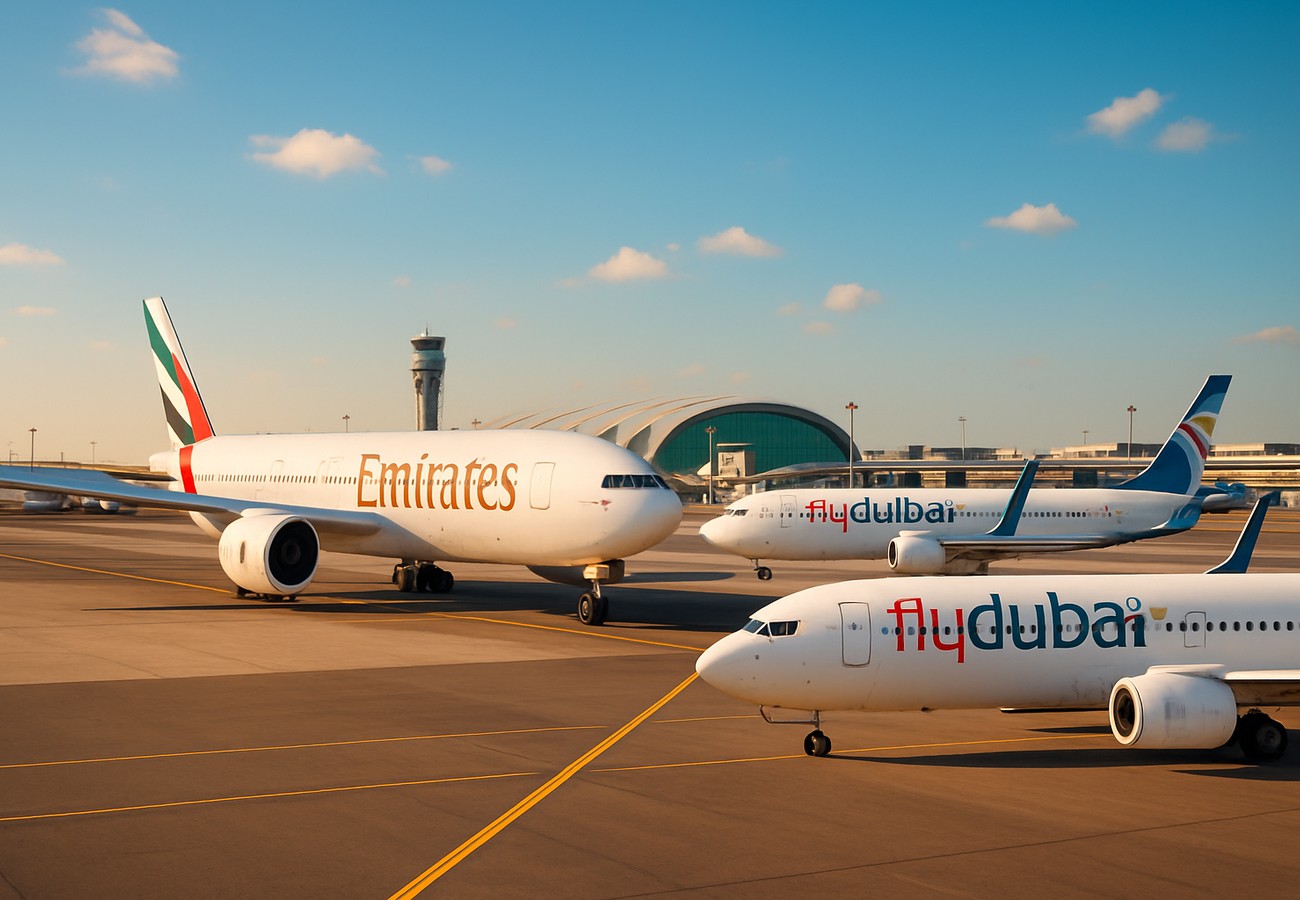
Image generated by AI
290 Flights Delayed, 35 Canceled Across Middle East: Emirates, Flydubai, EgyptAir Grounded at Dubai, Cairo, Jeddah, Bahrain, Istanbul
Regional Aviation Crisis Strikes as Air Traffic Control Strain, Severe Weather, and Staffing Shortages Paralyze Middle Eastern Hubs
Catastrophic flight disruptions have engulfed the Middle East, paralyzing major aviation hubs as 290 flights faced significant delays and 35 flights were canceled across a sprawling network of regional and international airports. The crisis, which unfolded across May 6, 2026, grounded marquee carriers including Emirates, Flydubai, EgyptAir, Royal Jordanian, and Gulf Air, leaving thousands of passengers stranded, frustrated, and scrambling for alternate routes.
The unprecedented disruption rippled through critical aviation gateways spanning the United Arab Emirates, Bahrain, Oman, Saudi Arabia, Egypt, Jordan, and Turkey, with particularly acute impacts felt at Dubai International Airport (DXB), Cairo International Airport (CAI), King Abdulaziz International Airport in Jeddah (JED), and Istanbul's Sabiha Gökçen Airport (SAW). Aviation analysts attribute the cascading chaos to a perfect storm of operational and environmental factors: severely strained air traffic control systems, unexpected severe weather conditions, critical technical system outages, acute aircrew and ground staff shortages, and terminal congestion at capacity-straining levels.
Unprecedented Scale of Regional Disruption
The magnitude of delays and cancellations—290 delayed flights and 35 canceled services—underscores the fragility of Middle Eastern aviation infrastructure during peak travel periods. For context, this represents one of the largest single-day disruption events documented across the region in recent years, affecting not only leisure travelers but critical business connections, regional commerce, and pilgrimage traffic heading toward Saudi Arabia's holy cities.
The ripple effects extended far beyond local inconvenience. Passengers transferring through Dubai or Cairo toward European, African, and Asian destinations faced cascading missed connections. Families scheduled for holiday travel endured multi-hour waits in overcrowded terminals, while business executives experienced lost meeting windows and compromised negotiations. The social media firestorm that erupted captured the raw frustration: images of snake-like security queues, exhausted families sprawled across terminal seating areas, and frantic passengers monitoring constantly-changing flight status screens.
Airport-by-Airport Impact: Where Disruptions Struck Hardest
Dubai International Airport (DXB): The Epicenter of Crisis
Delays: 120 flights | Cancellations: 13 flights
Dubai International—a sprawling ultra-modern hub serving over 90 million annual passengers—bore the heaviest brunt of disruptions, accounting for approximately 41% of all regional delays. Emirates and Flydubai, both headquartered in the emirate, experienced the most severe cascading effects across their route networks.
The disruption struck across both short-haul regional services (UAE, Gulf Cooperation Council destinations) and long-haul international routes (Europe, Asia, North America). Terminal congestion peaked dramatically during early-morning (6:00 AM–10:00 AM) and evening (4:00 PM–8:00 PM) wave slots, with passengers reporting security checkpoint wait times exceeding four hours and boarding gate delays stretching beyond two hours.
DXB's critical role as a global transfer hub magnified the crisis exponentially. Passengers arriving from European or African gateways frequently missed onward connections, triggering a domino effect that compressed into afternoon and evening operations, effectively compounding the original disruption window.
Cairo International Airport (CAI): Egypt's Travel Gateway Under Siege
Delays: 32 flights | Cancellations: 7 flights
Egypt's primary international gateway experienced a complex combination of air traffic control snarls, operational setbacks, and infrastructure strain. EgyptAir, the national carrier, initiated multiple schedule reshuffles throughout the operational day to manage cascading delays.
Outbound services destined for major European hubs—particularly Frankfurt (FRA), Paris (CDG), and regional Gulf destinations—bore the heaviest impact. Inbound services from these same markets faced compounding delays, creating a bidirectional congestion scenario that strained airport resources and passenger services substantially.
Bahrain International Airport (BAH): Widespread Departure Delays
Delays: 66 flights | Cancellations: 3 flights
Bahrain's principal aviation gateway recorded the second-highest delay count, with prolonged wait times spanning 2–5 hours concentrated on Gulf Cooperation Council routes and European services. As a critical hub for Gulf Air's regional network, the airport experienced sustained congestion throughout the operational day, with ground handling and aircraft turnaround operations significantly impacted by staffing constraints.
Kuwait International Airport (KWI): Regional Network Disrupted
Delays: 16 flights | Cancellations: 5 flights
Although registering moderate volumes compared to Dubai and Bahrain, Kuwait International experienced significant disruption concentrated on high-frequency regional services, particularly flights toward Saudi Arabia and UAE destinations. These routes typically accommodate intensive business and leisure traffic, amplifying the impact on connecting passengers.
King Abdulaziz International Airport (JED), Jeddah: Pilgrimage and Regional Traffic Collide
Delays: 19 flights | Cancellations: 3 flights
Jeddah's busy international gateway experienced concentrated delays on inbound and outbound regional services, further complicated by elevated pilgrimage traffic heading toward Medina and Mecca transit operations. This convergence of leisure, business, and religious travel volumes created acute terminal congestion and processing bottlenecks.
Istanbul Sabiha Gökçen Airport (SAW): Secondary Hub Ripple Effects
Delays: 27 flights | Cancellations: 1 flight
Turkey's secondary international airport contributed meaningfully to the broader crisis, with Turkish Airlines and code-share services linking Middle Eastern and European cities experiencing knock-on delays from late-arriving inbound aircraft.
Queen Alia International Airport (AMM), Amman: Royal Jordanian Grounded
Delays: 10 flights | Cancellations: 3 flights
Jordan's primary international gateway experienced material—though more limited—disruption, with Royal Jordanian facing crew scheduling constraints and forced cancellations as the operational backlog intensified throughout the day.
Airline Impact Overview: Carriers Across the Spectrum Affected
Emirates: Flaghip Carrier Faces Cascading Network Effects
The UAE's flagship carrier experienced widespread route delays spanning European, Asian, and African destinations. Emirates' operational model—heavily reliant on precise scheduling for transfer traffic—made the airline particularly vulnerable to cascading effects from congestion and airspace bottlenecks.
Flydubai: Regional Budget Carrier Under Strain
Operating frequent short- and medium-haul services across the Gulf and Saudi Arabia, Flydubai experienced significant delays and extensive rescheduling challenges, with particular concentration on intra-regional connectivity.
EgyptAir: Cairo-Based Carrier Faces European and Gulf Route Disruption
EgyptAir encountered substantial delays on European and regional Gulf flights, with cancellations strategically prioritized to maintain aircrew duty time compliance amid extended layovers and schedule disruptions.
Royal Jordanian: Crew Constraints Compound Delays
Royal Jordanian experienced disruption concentrated at Amman's Queen Alia International, stemming from crew availability constraints and scheduling conflicts exacerbated by earlier delays at connecting airports.
Gulf Air: Bahrain-Based Network Slowed
Bahrain's national carrier faced delayed departures and ground congestion, extending passenger wait times substantially throughout the operational cycle.
Turkish Airlines: Late-Arriving Aircraft Create Knock-On Disruptions
Although experiencing less severe volume disruption than Middle Eastern carriers, Turkish Airlines encountered secondary delays attributable to late-arriving inbound aircraft from disrupted Middle Eastern operations.
Root Causes: A Convergence of Operational and Environmental Factors
Aviation analysts identify a complex interplay of factors that transformed a busy travel period into widespread regional disruption:
1. Air Traffic Control System Strain and Bottlenecks
Middle Eastern airspace ranks among the planet's most congested flight corridors. With numerous inbound and outbound international services competing for available slots, small delays at critical hubs—particularly Dubai—propagate exponentially through adjacent airport systems, overwhelming air traffic controllers and airline operational planners.
2. Severe Weather Conditions
Multiple Middle Eastern airports encountered adverse meteorological conditions, including thunderstorms, crosswinds, and significantly reduced visibility. Facilities including Jeddah and Bahrain implemented temporary runway capacity reductions and intermittent operational suspensions, compounding delay durations.
3. Technical System Outages and Operational Failures
Technical glitches within airline scheduling platforms and airport operational systems compounded the disruption substantially. Several carriers reported check-in system latency, delayed loading data feeds, and slowed boarding operations, particularly impacting aircraft de-icing and ground turnaround cycles.
4. Aircrew and Ground Staff Shortages
As flight volumes rebound toward pre-pandemic operational levels, persistent staffing challenges continue impacting carrier operations. Airlines encountered crew hour limitations and personnel shortages, particularly when staff experienced delays cascading from earlier flight disruptions. Ground-handling resource constraints further extended aircraft turnaround times.
5. Terminal Capacity and Passenger Volume Pressures
Renewed international travel demand during this period strained terminal processing capacity and support infrastructure substantially. For passengers transferring through major hubs like Dubai or Cairo, elevated throughput intensified check-in bottlenecks, security processing delays, and gate assignment complications.
6. Scheduling Cascades and Knock-On Domino Effects
Once an aircraft experiences delay, its entire daily flying schedule faces disruption. Narrow connection windows mean even modest 30-minute delays cascade into downstream cancellations—a domino effect felt acutely across large carrier networks serving multiple daily frequencies.
On-Ground Passenger Experience: Chaos, Confusion, and Frustration
At Dubai International, lengthy queues snaked through security checkpoints as thousands of anxious passengers awaited definitive updates regarding rebooked flights. Multiple travelers reported security and processing waits exceeding five hours before receiving confirmed alternate departure times.
Cairo International compounded passenger confusion through limited staffing at information counters, forcing most travelers toward airline mobile applications for real-time status monitoring.
At Bahrain and Kuwait facilities, regional business travelers faced lost meeting opportunities as critical flights shifted progressively later. In Jeddah, the convergence of regional leisure, business, and pilgrimage traffic created acute terminal gridlock, further delaying departures across the board.
Social media platforms became repositories of frustration: passengers shared images of overcrowded terminal halls, hastily-arranged rest areas, and exhausted families awaiting departure confirmation for fundamentally restructured itineraries.
Passenger Guidance: Navigating Middle Eastern Flight Disruptions
For travelers affected by ongoing aviation turmoil across Middle Eastern corridors, strategic approaches can meaningfully reduce stress and improve travel outcomes:
1. Monitor Flights Continuously Utilize airline mobile applications and airport websites for real-time status evolution. Flight tracking applications frequently refresh faster than physical airport display boards.
2. Engage Proactively With Airlines Contact customer service channels early—via telephone, text, social media direct messaging, or in-airport service counters. Progressive carriers offer rebooking capabilities through mobile applications, reducing time spent in service lines.
3. Explore Alternate Routing Options If delays extend substantially beyond initial estimates, request rebooking via alternate hubs or nearby regional airports. Flexible routing may deliver faster arrival at final destinations despite longer total journey times.
4. Understand Passenger Rights Familiarize yourself with airline compensation policies, meal voucher eligibility, hotel accommodation provisions (for overnight disruptions), and refund procedures applicable to your booking.
5. Pack Essential Items in Carry-On Luggage Ensure device charging capability, carry adequate snacks and hydration, and include essential medications. If overnight terminal stays become unavoidable, carry-on accessibility significantly improves passenger comfort and preparedness.
6. Maintain Patience and Professional Courtesy Airline and airport personnel operate under extraordinary operational pressure during major disruptions. Calm, respectful communication frequently yields more effective assistance and clearer operational guidance.
Industry Outlook: Systemic Vulnerabilities and Future Resilience
While airlines and airport authorities mobilize resources to resolve current backlogs, aviation analysts caution that marginally-stable regional systems can deteriorate rapidly under operational stress. As global travel demand accelerates and major Middle Eastern hubs approach design capacity limits, similar disruptions risk recurring without sustained investment in three critical areas:
- Staffing Infrastructure: Expanded recruitment and training of aircrew, ground handlers, and air traffic control personnel
- Physical Infrastructure: Terminal expansion, runway capacity enhancement, and ground support facility upgrades
- Scheduling Technology: Implementation of more resilient, adaptive scheduling systems capable of absorbing unexpected operational shocks
For now, passengers transiting Middle Eastern gateways should maintain heightened alertness
Disclaimer
This article is for informational and educational purposes only. It does not constitute legal, financial, or professional advice. While we strive to provide accurate and up-to-date information, travel policies, regulations, and conditions change rapidly. Always verify information with official sources before making travel decisions. Nomad Lawyer makes no representations about the accuracy, reliability, completeness, or suitability of the information provided. Readers should consult qualified professionals for advice specific to their circumstances. The views expressed in this article are those of the author and do not necessarily reflect the views of Nomad Lawyer.
Kunal K Choudhary
Co-Founder & Contributor
A passionate traveller and tech enthusiast. Kunal contributes to the vision and growth of Nomad Lawyer, bringing fresh perspectives and driving the community forward.
Learn more about our team →