
Middle East Diplomacy Shift Secures Future of Regional Tourism
Turkey, Qatar, and key Middle East nations are prioritizing diplomatic tension reduction to protect aviation hubs and secure international visitor confidence.

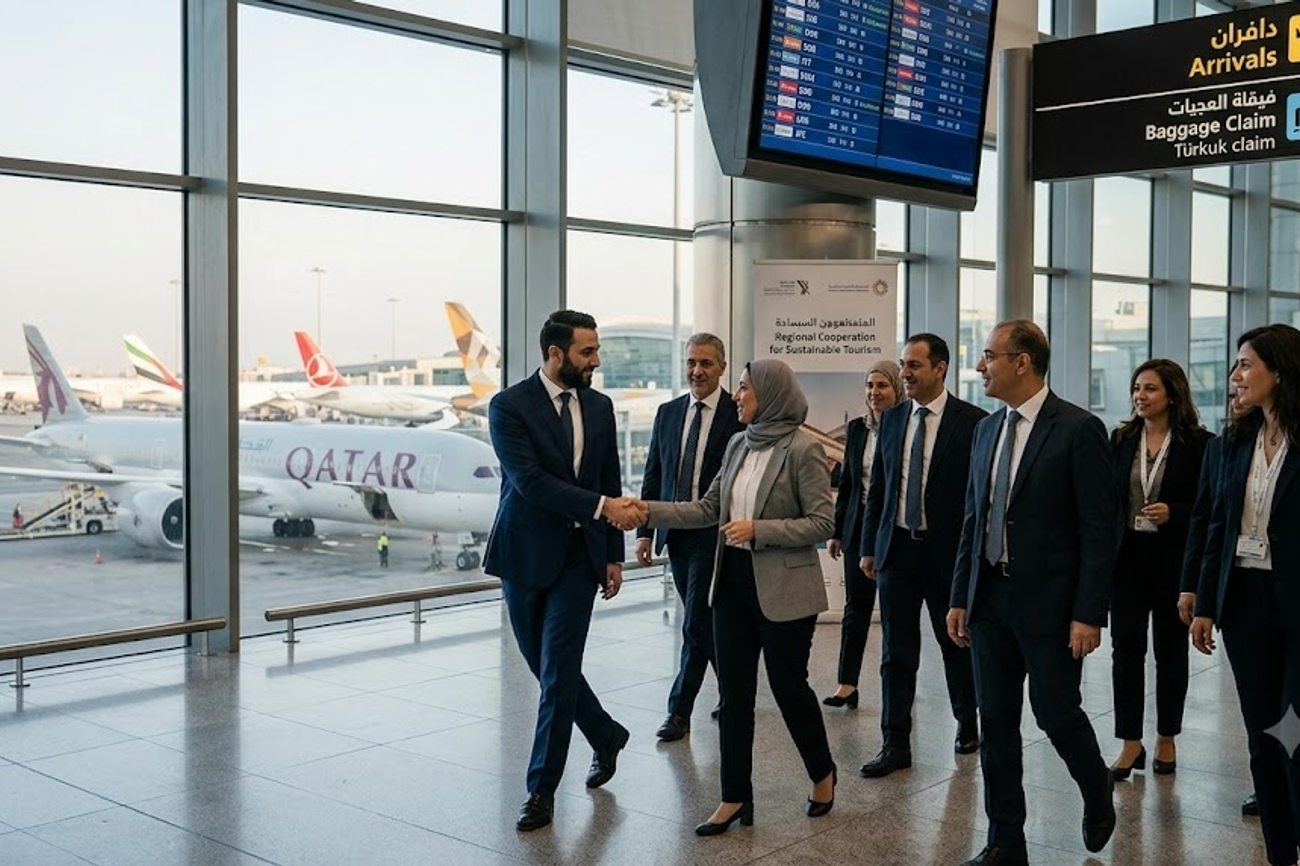
Image generated by AI
The Local Trend Revealed
A strategic pivot is occurring across the Middle East, where tourism is no longer viewed merely as an economic byproduct, but as a primary driver for diplomatic peace. Turkey, Qatar, and several neighboring nations have intensified communication channels to mitigate instability, recognizing that traveler confidence is fragile and inextricably linked to regional security.
Turkey has positioned itself as the central pivot point, leveraging its unique geography between Europe, Asia, and the Middle East to facilitate dialogue. By strengthening ties with Saudi Arabia, Egypt, and Pakistan, Ankara is working to ensure that the travel corridors serving Istanbul, Antalya, and Cappadocia remain open and predictable. Simultaneously, Qatar has utilized its role as a global aviation hub in Doha to mediate disputes, understanding that the viability of its transit infrastructure depends on a stable Gulf environment.
Cultural & Environmental Value
For the visitor, the real impact of this diplomatic shift is the opening of "cross-border" cultural circuits. When tensions drop, the region moves away from isolated tourism pockets toward integrated experiences. For example, the synergy between Saudi Arabia’s Vision 2030 projects and Oman’s heritage-focused tourism allows for a more authentic exploration of Arabian culture without the friction of political volatility.
This stability also fosters a shift toward sustainable, long-term infrastructure. Rather than building "bubble" resorts, there is a growing trend toward integrating luxury tourism with local heritage sites and ecological conservation. In Oman, the focus on quiet engagement and neutral diplomacy mirrors its tourism product: low-impact, culturally rich experiences in mountains and deserts that prioritize the preservation of the natural environment over mass-market commercialization.
Visitor Insider Tips
- The "Quiet Window" for Oman: Visit the Al Hajar Mountains during the shoulder seasons (October to November) to avoid the heat and the peak winter crowds.
- Navigating Istanbul: To avoid the tourist traps of Sultanahmet, head to the Kadıköy district on the Asian side for a more authentic culinary experience and local artisan markets.
- Cultural Etiquette: When visiting heritage sites in Saudi Arabia or Egypt, always carry a light scarf or shawl. While tourism is expanding, modest dress remains a sign of respect and ensures smoother interactions with local guides.
- Transit Hack: If connecting through Doha, utilize the city's stopover programs to visit the Museum of Islamic Art—a world-class facility that provides deep context to the regional diplomacy currently unfolding.
Tourism Outlook
The long-term trajectory for the region is a transition from "transit hubs" to "destination hubs." As Turkey and Qatar continue to lower regional friction, the Middle East is likely to see an increase in multi-country itineraries. The integration of Egypt’s archaeological wealth, Saudi Arabia’s new entertainment cities, and Turkey’s coastal resorts into a single, stable travel zone will likely trigger a surge in high-net-worth international investment and a permanent increase in passenger counts across regional airports.
Related Travel Guides
Disclaimer
This article is for informational and educational purposes only. It does not constitute legal, financial, or professional advice. While we strive to provide accurate and up-to-date information, travel policies, regulations, and conditions change rapidly. Always verify information with official sources before making travel decisions. Nomad Lawyer makes no representations about the accuracy, reliability, completeness, or suitability of the information provided. Readers should consult qualified professionals for advice specific to their circumstances. The views expressed in this article are those of the author and do not necessarily reflect the views of Nomad Lawyer.
Preeti Gunjan
Contributor & Community Manager
A passionate traveller and community builder. Preeti helps grow the Nomad Lawyer community, fostering engagement and bringing the reader experience to life.
Learn more about our team →