
United Kingdom and Key Markets Drive Middle East Aviation Recovery
Middle East carriers adapt to a 13.9% passenger drop in June 2026, leveraging connections with the UK, Germany, and India to support recovery.

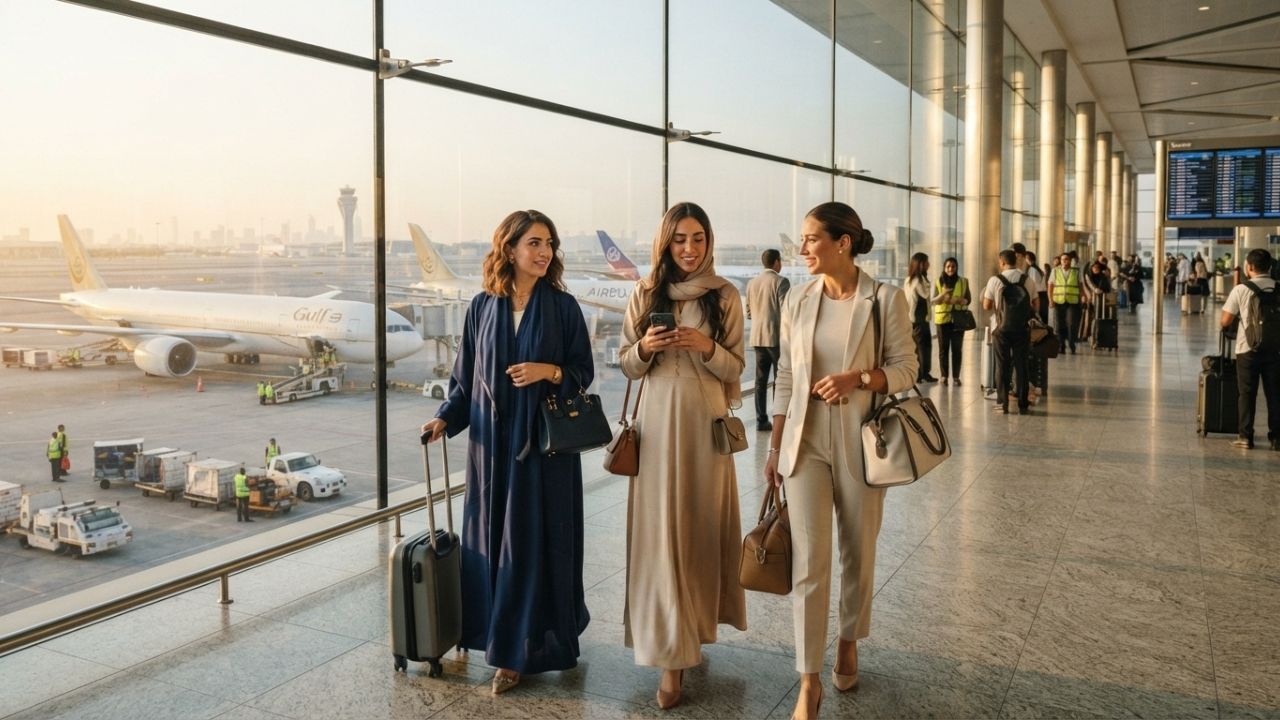
Image generated by AI
Middle Eastern airlines are facing significant regional pressure as global passenger demand fell by 1.7% in June 2026, according to the latest data from the International Air Transport Association (IATA). Despite a 13.9% drop in total passenger traffic, the Gulf travel sector is relying on strong connectivity with the United Kingdom, Germany, Russia, and India to stabilize the market.
The global aviation sector is navigating changes in international travel patterns. As passenger volumes adjust due to regional operational constraints and changing economic conditions, regional hubs are realigning route capacities.
In the Middle East, while total passenger volumes have experienced adjustments, established traffic links with Europe and South Asia continue to serve as the foundation for the region's long-term aviation strategy.
Regional Traffic Declines and Capacity Adjustments in the Gulf
According to datasets compiled by the International Air Transport Association (IATA), Middle Eastern airlines recorded a 13.9% year-on-year decline in total passenger traffic in June 2026, while international passenger demand fell by 14%.
To manage this drop, regional carriers reduced total capacity by 11.3% compared with June 2025, resulting in an average passenger load factor of 76.1%.
This slowdown reflects regional routing adjustments and shifting transit schedules. In contrast, European carriers recorded a modest 0.8% increase in total demand, with international European traffic rising 1.5% during the same period, indicating resilient outbound demand from Western Europe.
European Transit Anchors: Inbound Flows from the United Kingdom and Germany
The United Kingdom remains a major European source market for Gulf destinations. Major airports, including Dubai Airports, serve as connecting gateways linking London with points across Asia and Africa. Outbound travel from the UK supports leisure tourism, business visits, and premium transit stays in the United Arab Emirates, Qatar, and Saudi Arabia.
Germany also contributes to Gulf transit networks. As one of Europe's largest economies, Germany generates consistent business and leisure travel flows to the Gulf, particularly supporting long-haul connections through Hamad International Airport in Doha.
Year-Round Resort Outlays from Russia and South Asian Diaspora Traffic
Russia represents another key source market for Gulf destinations. Flight connectivity, streamlined visa processes, and hotel developments make the UAE a preferred year-round choice for Russian leisure travelers, supporting regional resort and retail sectors.
Concurrently, India remains an essential South Asian passenger corridor. Although Indian domestic passenger demand declined by 0.5% in June 2026, international links between India and the Gulf remain highly active. These routes are supported by deep trade ties, family visits, and diaspora travel, driving passenger volumes through regional hubs.
Local Visitor Guide and Gulf Transit Advice
To help you navigate Middle Eastern hubs during transit:
- Pre-Book Transit Lounges: If your layover at DXB or DOH exceeds four hours, book lounge access in advance. This provides quiet spaces to work or rest during flight connections.
- Understand Baggage Rules for Interline Bookings: If booking connecting flights on separate tickets, verify if your luggage will be checked through to your final destination, as transfer rules vary by carrier.
- Utilize Smart Gates: Major Gulf airports feature biometric smart gates for eligible passport holders, reducing immigration queue times to under 30 seconds.
- Local Culinary Specialties:
- Saffron and Cardamom Tea: Enjoy a traditional cup of Karak tea at airport cafes during your connection.
- Dates and Baklava: Purchase premium local sweets at duty-free shops in the departures terminal as regional gifts.
- Off-Peak Booking Windows: If traveling between Europe and South Asia, look for mid-week departures to capture the most competitive transit fares.
Future Projections for Destination Diversification and Infrastructure Investment
The recovery of the Middle Eastern aviation market depends on adapting capacity to demand and maintaining strong international transport corridors. By diversifying tourism products and investing in airport upgrades, regional boards aim to rebuild passenger confidence.
Over the coming years, continued route expansions and investments in smart border technologies will support traffic growth. By maintaining high-frequency connections with the UK, Germany, Russia, and India, the Gulf aviation sector secures its position as a key global transport hub, ensuring long-term connectivity for the international travel community.
Related Travel Guides
Disclaimer
This article is for informational and educational purposes only. It does not constitute legal, financial, or professional advice. While we strive to provide accurate and up-to-date information, travel policies, regulations, and conditions change rapidly. Always verify information with official sources before making travel decisions. Nomad Lawyer makes no representations about the accuracy, reliability, completeness, or suitability of the information provided. Readers should consult qualified professionals for advice specific to their circumstances. The views expressed in this article are those of the author and do not necessarily reflect the views of Nomad Lawyer.
Kunal K Choudhary
Co-Founder & Contributor
A passionate traveller and tech enthusiast. Kunal contributes to the vision and growth of Nomad Lawyer, bringing fresh perspectives and driving the community forward.
Learn more about our team →