
Middle East Aviation Crisis: 42 Flights Suspended as FlyDubai and IndiGo Face Massive Disruptions
A wave of flight suspensions has hit Middle Eastern aviation hubs, with 42 flights cancelled across the UAE, Israel, Oman, and Kuwait, leaving thousands of travelers stranded.

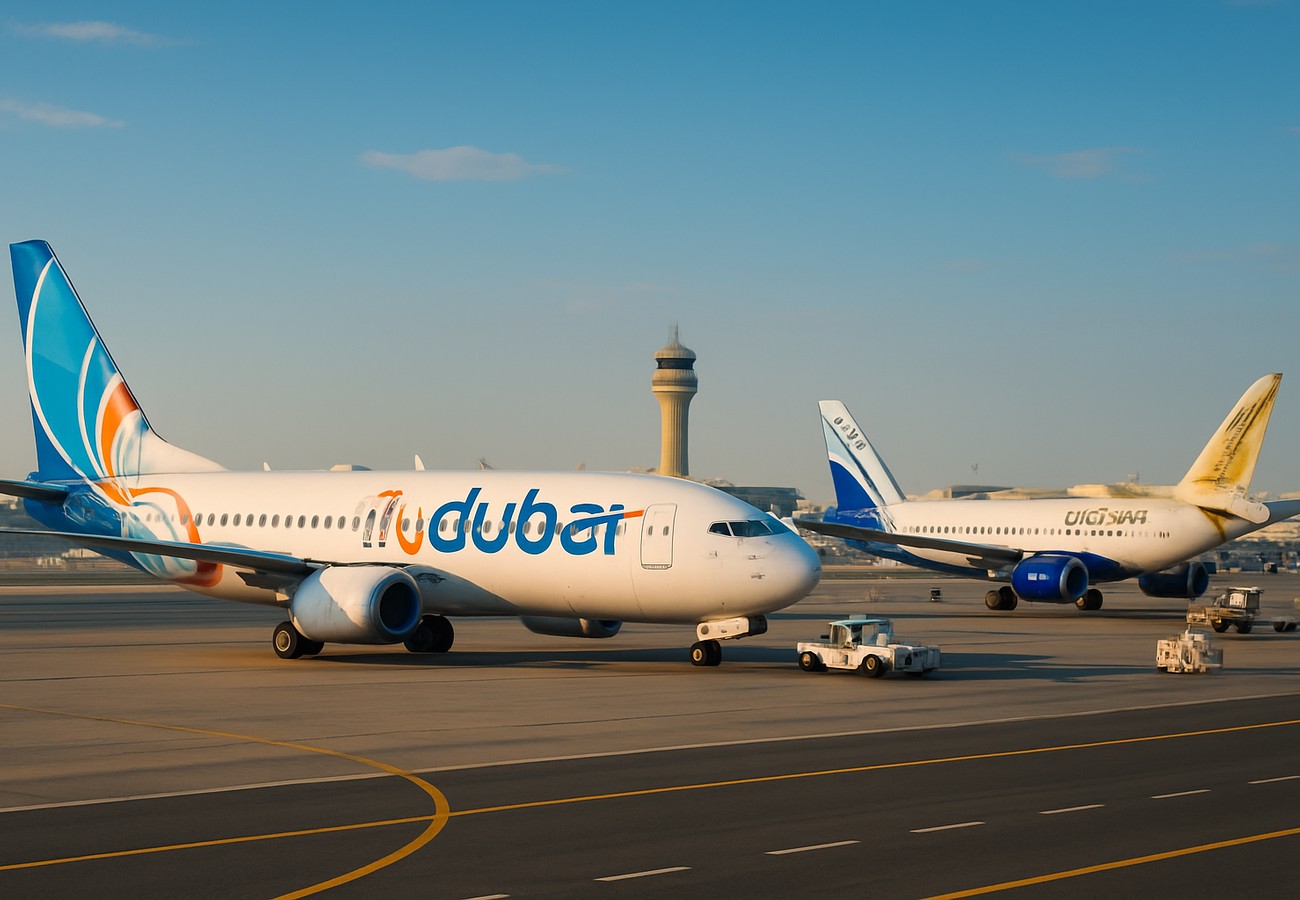
Image generated by AI
Quick Summary
- A major aviation crisis has gripped the Middle East as of May 4, 2026, with 42 flights suspended and widespread delays impacting the UAE, Israel, Oman, and Kuwait.
- IndiGo recorded a staggering 83% cancellation rate at Abu Dhabi International Airport, while FlyDubai led the volume of cancellations with 19 flights grounded in Dubai.
- Cascading disruptions have hit key hubs including Dubai (DXB), Abu Dhabi (AUH), Sharjah (SHJ), Tel Aviv (TLV), Muscat (MCT), and Kuwait City (KWI).
- Airlines including SpiceJet, Airblue, Air Arabia, and Kuwait Airways are struggling to stabilize schedules amid severe regional operational strain.
Thousands of travelers remain stranded across the Middle East as a sudden wave of flight suspensions and network-wide delays ripples through the region's busiest aviation corridors.
As of May 4, 2026, data from FlightAware indicates that 42 flights have been suspended by a group of leading low-cost and regional carriers. The disruption is concentrated in the United Arab Emirates but has rapidly expanded to include critical hubs in Israel, Oman, and Kuwait, leaving passengers facing mounting uncertainty and elongated wait times.
Regional Disruption Data: May 4, 2026
The following table outlines the specific impact across the region’s major airports:
| Airport | Airline | Cancelled Flights (#) | Delayed Flights (#) |
|---|---|---|---|
| Dubai International (DXB) | FlyDubai | 19 | 16 |
| Dubai International (DXB) | SpiceJet | 1 | 2 |
| Dubai International (DXB) | Airblue | 1 | 0 |
| Abu Dhabi International (AUH) | IndiGo | 10 | 2 |
| Sharjah International (SHJ) | Air Arabia | 3 | 4 |
| Sharjah International (SHJ) | IndiGo | 1 | 0 |
| Ben Gurion Int’l (TLV) | KlasJet | 2 | 7 |
| Ben Gurion Int’l (TLV) | Azerbaijan Airlines | 1 | 0 |
| Muscat International (MCT) | FlyDubai | 2 | 1 |
| Kuwait International (KWI) | Kuwait Airways | 3 | 5 |
Analysis of Affected Hubs
The UAE Epicenter: Dubai International Airport (DXB) remains the most impacted by sheer volume. FlyDubai has grounded 19 flights, representing the single largest disruption by a single carrier. In Abu Dhabi, the situation for IndiGo passengers is particularly severe; the airline's 10 cancellations represent an 83% operational failure rate at that hub for the day.
Regional Spread: The instability has crossed borders into Oman, where FlyDubai’s Muscat operations show a 40% cancellation rate. In Kuwait, the national carrier, Kuwait Airways, has been forced to cancel 3 flights and delay 5 others. Meanwhile, Tel Aviv’s Ben Gurion Airport is seeing significant delays from KlasJet, adding further pressure to the Eastern Mediterranean aviation network.
Passenger Advisory: What to Do if Your Flight is Cancelled
With network instability expected to persist through the next 24 hours, travelers are advised to take the following steps:
- Monitor Digital Channels: Check your email, SMS, and the airline’s mobile app every 30 minutes for rebooking confirmations.
- Verify Rights: Many carriers in these jurisdictions are obligated to provide meals or hotel vouchers if the delay exceeds a specific timeframe (typically 4-6 hours).
- Contact Support Early: If you are at the airport, head to the service desk immediately. If you are off-site, use the airline’s online chat systems or social media handles, which often respond faster than telephone hotlines during peak crises.
- Explore Alternatives: In the UAE, travelers may consider shifting between DXB, AUH, and SHJ if one hub offers better rebooking availability, though ground transport will be at the passenger's expense.
Outlook for the Aviation Sector
The current wave of cancellations reflects a fragile and highly interconnected Middle Eastern network under immense operational strain. As airlines like FlyDubai and IndiGo struggle to restore schedule integrity, the regional pattern of disruption suggests that isolated incidents are now evolving into broader network instability. Travelers should prepare for a multi-day recovery period as airports work to clear the backlog of stranded passengers.
FAQ: Middle East Flight Disruptions 2026
Which airlines are most affected by the current cancellations? As of May 4, 2026, FlyDubai and IndiGo are the most heavily impacted, with FlyDubai accounting for 19 cancellations in Dubai and IndiGo recording a near-total breakdown in Abu Dhabi.
Is Dubai International Airport open? Yes, the airport is open, but it is experiencing significant operational strain with dozens of flight cancellations and delays. Passengers are urged to check their flight status before traveling to the airport.
Can I get compensation for my cancelled flight? Compensation depends on the airline’s specific policy and the jurisdiction of the flight. Travelers are advised to check the terms and conditions on their booking and consult the airline's customer service desk.
Related Travel Guides
Disclaimer
This article is for informational and educational purposes only. It does not constitute legal, financial, or professional advice. While we strive to provide accurate and up-to-date information, travel policies, regulations, and conditions change rapidly. Always verify information with official sources before making travel decisions. Nomad Lawyer makes no representations about the accuracy, reliability, completeness, or suitability of the information provided. Readers should consult qualified professionals for advice specific to their circumstances. The views expressed in this article are those of the author and do not necessarily reflect the views of Nomad Lawyer.
Kunal K Choudhary
Co-Founder & Contributor
A passionate traveller and tech enthusiast. Kunal contributes to the vision and growth of Nomad Lawyer, bringing fresh perspectives and driving the community forward.
Learn more about our team →