
Miami International Airport Ground Staff Purge Triggers Severe Disruptions on US-Cuba Flight Routes 2026
Mass dismissals of veteran ground personnel at Miami International Airport have crippled US-Cuba aviation corridors, causing baggage logjams and boarding delays across key Caribbean itineraries.

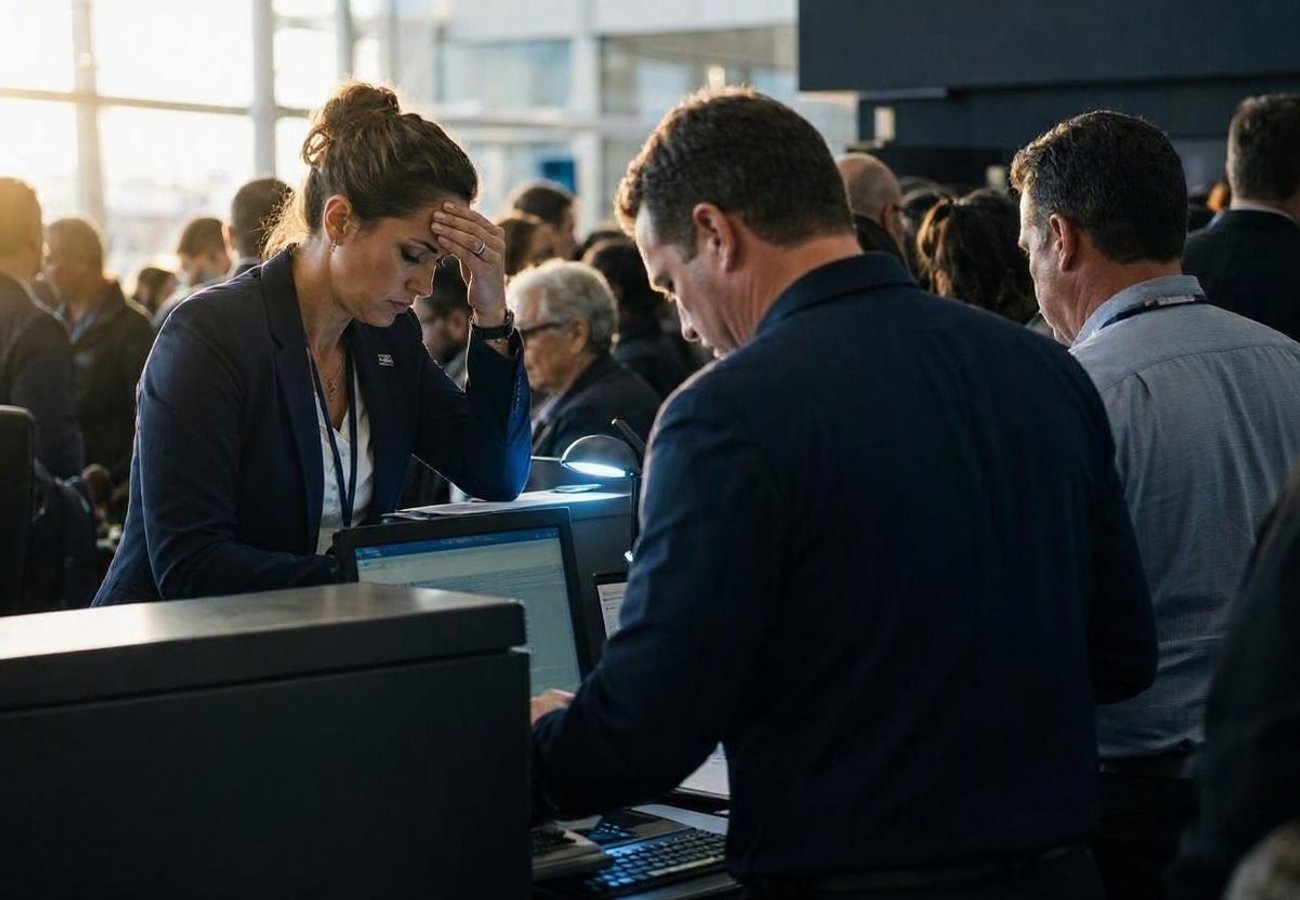
Image generated by AI
Passengers boarding flights from Miami to Havana found themselves stranded in chaotic departure lounges this week as a sudden purge of veteran ground staff paralyzed terminal operations. The removal of experienced personnel—specifically those managing the high-volume rotations to Cuba—has transformed routine boarding processes into logistical bottlenecks, leaving hundreds of travelers facing indefinite delays and baggage mishandling.
Workforce Purge at MIA: The Catalyst for Chaos
The current instability within the US-Caribbean aviation corridor stems from aggressive internal audits conducted at Miami International Airport (MIA). These reviews targeted the "dispatch desks" and gate management protocols for flights bound for the island. Following the audits, airline management executed a series of mass dismissals of long-term station agents and terminal supervisors.
The core of the dispute lies in "compliance divergences." Veteran staff had historically utilized manual administration to handle the unique demands of Cuba-bound travel, such as the reconciliation of heavy excess baggage fees and the coordination of complex ticketing intermediaries. Corporate compliance divisions viewed these customary operational adaptations as administrative malpractice, leading to the immediate termination of the workforce responsible for customer-facing logistics.
This removal of institutional knowledge has created a vacuum at the gate. New or temporary staff are struggling to manage the high volume of non-commercial parcels and personal items routinely transported to Cuba, resulting in severe processing logjams and extended aircraft turnaround times.
Critical Impact Zones and Operational Vulnerabilities
The disruption is not limited to a single carrier but affects the broader infrastructure of southern Florida's Caribbean gateways. The following table outlines the specific nodes currently experiencing the highest levels of friction.
| Airport Node | Primary Destination | Movement Volume | Primary Vulnerability | Impact Area |
|---|---|---|---|---|
| Miami International (MIA) | Havana (HAV) | High Frequency | Excess Luggage Collection | Ancillary Cash Intake & Boarding |
| Fort Lauderdale (FLL) | Santa Clara (SNU) | Moderate | Agency Group Check-ins | Manifest Reconciliation |
| Tampa International (TPA) | Camagüey (CMW) | Scheduled Link | Baggage Freight Screening | Weight Allowance Variations |
The friction is most acute at MIA, where the physical reconciliation of excess baggage charges—often handled in cash or via non-standard point-of-sale mandates—has collided with strict new corporate mandates.
Your Rights as a Passenger
When ground handling failures lead to flight delays or cancellations, your protections depend on the jurisdiction of the airline and the departure point. Because these disruptions are occurring within the US, the U.S. Department of Transportation (DOT) guidelines are the primary framework.
1. Right to a Refund If your flight is cancelled or significantly delayed and you choose not to travel, you are entitled to a full refund of the unused ticket, regardless of the reason for the cancellation. This includes "non-refundable" tickets if the airline cancels the flight.
2. Duty of Care While US regulations are less stringent than EU261, many carriers provide meal vouchers or hotel accommodations for overnight delays caused by staffing issues. If the airline refuses, document all expenses (receipts for food and lodging) to claim via your travel insurance or a formal DOT complaint.
3. Baggage Liability Given the reported "luggage intake backlogs," passengers should be aware of the Montreal Convention standards for international travel. If your luggage is delayed or lost due to the MIA staffing crisis, the airline is liable for damages up to approximately 1,288 Special Drawing Rights (SDRs) per passenger.
Rebooking Strategy and Alternatives
If you are currently caught in the MIA-Havana logjam, avoid waiting in long phone queues. Use these tactical steps to secure your travel:
- Digital Pivot: Use FlightAware or FlightRadar24 to monitor the actual movement of your aircraft. If the plane hasn't left Havana, don't head to MIA early.
- Alternative Gateways: If MIA is paralyzed, check for availability via Fort Lauderdale (FLL) or Tampa (TPA), though these nodes are seeing increased pressure as passengers divert.
- Competitor Routing: Explore charter alternatives or licensed community travel agencies that may have different handling contracts at the terminal, potentially bypassing the specific "dispatch desk" bottlenecks.
- Refund vs. Voucher: In the current climate of operational instability, a cash refund is always superior to a travel voucher. If the airline offers a voucher for a "future flight," insist on a refund to your original payment method to maintain flexibility.
FAQ: US-Cuba Travel Disruptions 2026
Am I entitled to compensation for MIA staffing delays? Under US law, airlines are not required to pay "delay compensation" (unlike EU261). However, you are entitled to a full refund if you choose not to fly due to a significant delay or cancellation.
What should I do if my excess baggage is lost in the MIA purge? Immediately file a Property Irregularity Report (PIR) at the airport. Keep all receipts for essential items purchased during the delay to claim reimbursement under the Montreal Convention.
Can I switch my flight to another airline for free? Generally, no. Unless the airline offers "re-accommodation" on a partner carrier, you would have to buy a new ticket. However, you can request a full refund for your original flight and use those funds for a competitor.
The collapse of veteran ground operations in Miami serves as a stark reminder that digital automation cannot replace the cultural and logistical nuance required for complex international corridors.
Related Travel Guides
Disclaimer
This article is for informational and educational purposes only. It does not constitute legal, financial, or professional advice. While we strive to provide accurate and up-to-date information, travel policies, regulations, and conditions change rapidly. Always verify information with official sources before making travel decisions. Nomad Lawyer makes no representations about the accuracy, reliability, completeness, or suitability of the information provided. Readers should consult qualified professionals for advice specific to their circumstances. The views expressed in this article are those of the author and do not necessarily reflect the views of Nomad Lawyer.
Kunal K Choudhary
Co-Founder & Contributor
A passionate traveller and tech enthusiast. Kunal contributes to the vision and growth of Nomad Lawyer, bringing fresh perspectives and driving the community forward.
Learn more about our team →