
Mexico and US Pacific Coast Travel Risks: Navigating the Record-Breaking 2026 Hurricane Season
With the 2026 Pacific hurricane season shattering historical records, travelers to Mexico's west coast and the US Southwest face unprecedented disruptions. Learn how to navigate these risks and identify the safest zones.

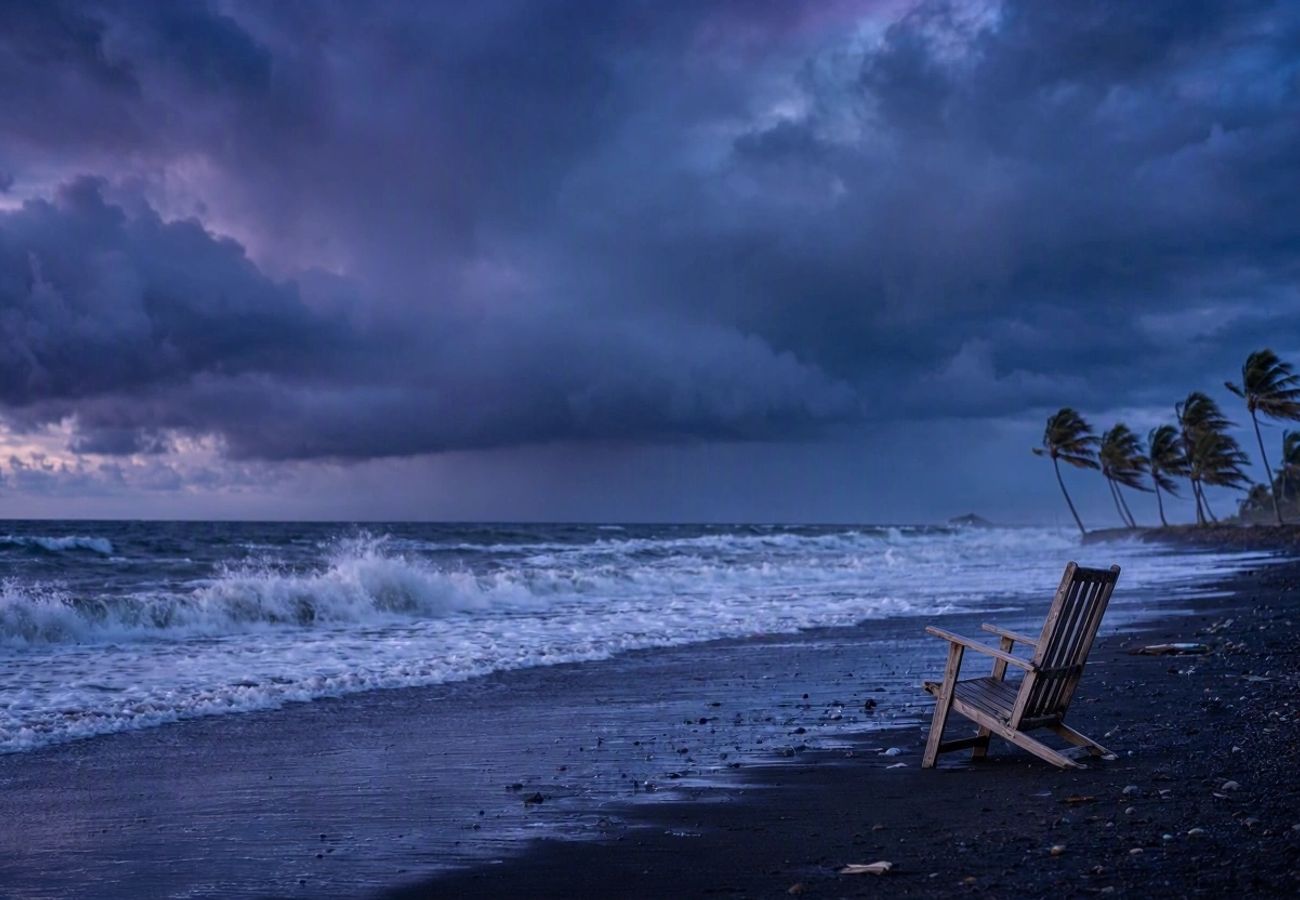
Image generated by AI
The 2026 Pacific hurricane season has officially surpassed a record set in 2018 for the cumulative duration of hurricane-strength winds. This isn't just a statistic for meteorologists; it is a fundamental shift in the travel calculus for anyone eyeing the Pacific coast of the Americas this autumn. From the luxury resorts of Jalisco to the volcanic landscapes of Costa Rica, the region is grappling with an energetic atmosphere that is rewriting the rulebook on seasonal volatility.
The 2026 Storm Surge: A Season of Anomalies
We are witnessing a historical outlier. By October 7, the National Oceanic and Atmospheric Administration (NOAA) recorded 17 named storms, seven hurricanes, and five major hurricanes. To put that in perspective, the named-storm count was four above the seasonal average, and major hurricanes exceeded the norm by two.
September was the epicenter of this activity, seeing eight tropical storms and five major hurricanes, setting new records for the Eastern North Pacific. The most telling metric, however, is the Accumulated Cyclone Energy (ACE). By early October, the season hit 192.1 ACE units—a staggering 97% increase over the typical accumulated value for this date. For the nomad or the luxury traveler, this means the "window of safety" has shrunk, and the intensity of potential disruptions has spiked.
Regional Impact Breakdown: Where the Risks Are Real
While the entire Pacific basin is on alert, the impact is not uniform. The risk varies from total evacuation orders in Mexico to "remnant rainfall" in the American Southwest.
High-Risk Zones: Mexico and the US
Mexico is currently the primary flashpoint. Hurricane Simon recently pushed sustained winds of 115 mph, hovering just 50 miles west-southwest of Cabo Corrientes. This placed a direct threat on the west-central coastline, specifically impacting Jalisco, Colima, and Michoacán. In some areas, forecasts predicted rainfall as high as 30 inches—enough to trigger catastrophic landslides and paralyze coastal highways.
In the United States, the effects are more indirect but equally disruptive. Hawaii endured its second-wettest September in 36 years, while the Southwest (Arizona, New Mexico, and Nevada) has dealt with flash flooding and road closures caused by the remnants of storms like Hurricane Rachel.
Monitoring Zones: Central America
For those traveling through the "isthmus," the risk is less about direct hits and more about systemic instability. Guatemala, Costa Rica, and Panama are seeing increased river flooding and hazardous marine conditions.
2026 Pacific Risk Assessment Matrix
| Country | Primary Areas of Concern | Key Travel Disruptions | Risk Level |
|---|---|---|---|
| Mexico | Puerto Vallarta, Los Cabos, Manzanillo | Resort evacuations, road closures, dangerous surf | Critical |
| USA | Hawaii, Arizona, California | Flight interruptions, flash floods, coastal erosion | Moderate/High |
| Guatemala | Escuintla, Pacific Coast | Landslides, overland transport delays | Moderate |
| Costa Rica | Guanacaste, Osa Peninsula | Road washouts, hazardous marine conditions | Moderate |
| Panama | Chiriquí, Gulf of Chiriquí | Intense rainfall, maritime hazards | Low/Moderate |
Visitor Insider Tips
Having spent years tracking the rhythms of the Pacific coast, I can tell you that the "official" warnings often lag behind the local reality. Here is how to handle a high-activity season:
- The "Micro-Climate" Rule: Do not cancel a trip to the entire coast because of one storm. A hurricane hitting Baja California Sur (like Hurricane Polo did earlier this season) rarely means Puerto Vallarta is unsafe. Check the National Hurricane Center (NHC) for specific coordinates.
- Transport Hacks: During peak storm windows, avoid relying on secondary coastal roads in Jalisco or Colima. These are the first to be closed due to landslides. Stick to major federal highways or short-haul flights.
- Booking Strategy: If you are visiting between September and November, ensure your hotel has a clear "force majeure" or weather-related refund policy. Many boutique spots in Manzanillo or San Juan del Sur have restrictive policies during hurricane season.
- Local Etiquette: When evacuations are called for coastal towns, do not attempt to "wait it out" in a resort. Local emergency services are stretched thin; following evacuation orders immediately is the only way to ensure you aren't a liability to first responders.
Cultural and Environmental Context
The 2026 season highlights a growing tension between the tourism economy and environmental reality. In destinations like Puerto Vallarta and Los Cabos, the economy is almost entirely dependent on the "sun and sand" promise. When a storm like Simon threatens the region, it isn't just a travel inconvenience—it is an economic crisis for the thousands of local workers who rely on the hospitality sector.
Furthermore, the recurring nature of these record-breaking seasons is forcing a conversation about coastal urban planning. The "30-inch rainfall" forecasts are no longer anomalies; they are becoming the new baseline. This is leading to increased pressure on local governments to improve drainage systems and move critical infrastructure away from the shoreline to prevent the repetitive cycle of destruction and rebuilding.
FAQ: Visiting the Pacific Coast 2026
What is the best time to visit Mexico's Pacific coast to avoid hurricanes? Generally, December through April offers the lowest risk. However, as seen in 2026, the season can extend into November. Always monitor NOAA updates if traveling in the shoulder months.
Do I need special travel insurance for hurricane zones? Yes. Standard travel insurance often excludes "natural disasters" unless you have a specific "Cancel for Any Reason" (CFAR) rider. Ensure your policy covers weather-induced flight cancellations and hotel evacuations.
How do I get from Puerto Vallarta to other coastal towns safely during storm season? Avoid long overland journeys on coastal roads. Use reputable shuttle services that monitor road conditions in real-time or opt for domestic flights via Mexico City to avoid landslide-prone highways.
Is it safe for solo travelers in Central America during this season? Yes, provided you stay informed. The primary risk is transport disruption (road washouts) rather than safety. Use official government travel advisories and stay in hubs with reliable communication.
Stay flexible, track the ACE units, and remember that the ocean always has the final say.
Related Travel Guides
Disclaimer
This article is for informational and educational purposes only. It does not constitute legal, financial, or professional advice. While we strive to provide accurate and up-to-date information, travel policies, regulations, and conditions change rapidly. Always verify information with official sources before making travel decisions. Nomad Lawyer makes no representations about the accuracy, reliability, completeness, or suitability of the information provided. Readers should consult qualified professionals for advice specific to their circumstances. The views expressed in this article are those of the author and do not necessarily reflect the views of Nomad Lawyer.
Kunal K Choudhary
Co-Founder & Contributor
A passionate traveller and tech enthusiast. Kunal contributes to the vision and growth of Nomad Lawyer, bringing fresh perspectives and driving the community forward.
Learn more about our team →