
Mexico, Portugal, and Thailand Expand Long-Stay Visa Programs to Capture 2026 Retirement Tourism Boom
Mexico, Portugal, Spain, Costa Rica, and Thailand are pivoting toward 'slow travel' frameworks, implementing specialized long-stay visas to attract retirees seeking lifestyle-focused residency over traditional short-term tourism.

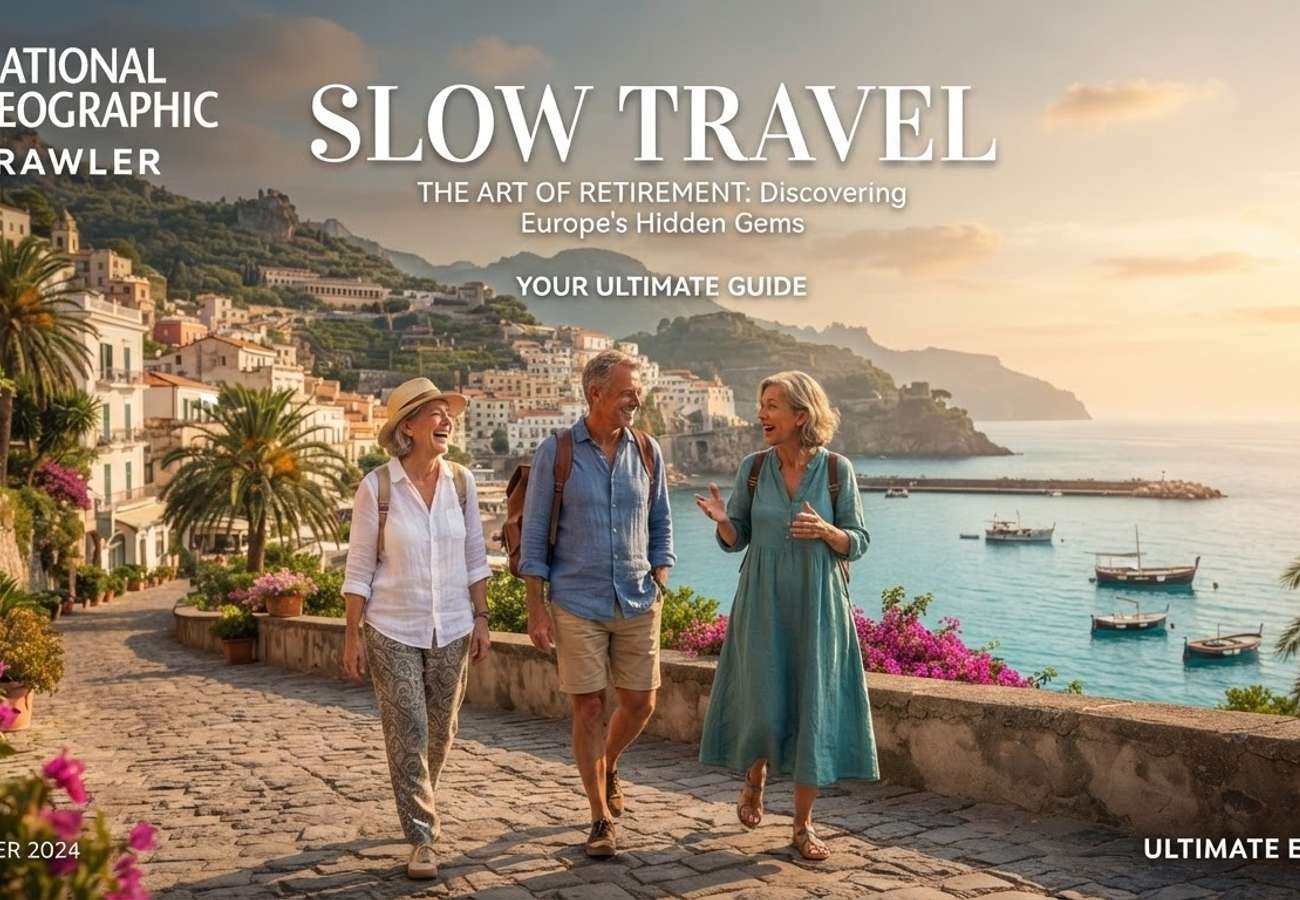
Image generated by AI
Global tourism strategies are shifting as Mexico, Portugal, Spain, Costa Rica, and Thailand implement lifestyle-focused "slow travel" frameworks to attract retirees. These nations are moving beyond seasonal tourism to secure year-round economic stability via long-term residency pathways.
The traditional model of retirement—characterized by domestic leisure—is being replaced by a global movement toward extended international stays. This transition toward "slow travel" prioritizes cultural immersion, social connectivity, and wellness over the rapid consumption of tourist landmarks. For host nations, this demographic shift offers a hedge against the volatility of peak-season tourism by creating a consistent, high-spending resident population that supports local businesses and rural economies.
The Strategic Shift to Slow Travel
Unlike standard tourism, which emphasizes itinerary density, retirement slow travel focuses on stability and integration. Retirees are increasingly seeking destinations where they can establish daily routines, engage in community-based activities, and maintain active lifestyles. This shift is driven by a desire for mental stimulation and the mitigation of social isolation often experienced after leaving the professional workforce.
The following table outlines the specific drivers attracting retirees to these emerging hubs:
| Slow Travel Element | Benefit for Retirees | Impact on Destination |
|---|---|---|
| Extended Stays | Stability and familiar daily routines | Reduced seasonal volatility |
| Local Engagement | Cultural learning and integration | Support for non-tourist local businesses |
| Community Activity | Social connections and friendship | Increased demand for community infrastructure |
| Active Exploration | Improved physical and mental health | Growth in wellness and eco-tourism sectors |
| Cultural Immersion | Personal growth and stimulation | Preservation of local heritage through interest |
Regional Hubs and Lifestyle Incentives
Different regions are leveraging their unique geographic and economic advantages to attract this demographic. While some focus on healthcare and infrastructure, others emphasize nature and affordability.
| Country | Primary Draw | Tourism Opportunity |
|---|---|---|
| Mexico | Warm climate, affordability, established expat hubs | Coastal heritage and extended-stay rentals |
| Portugal | Safety, relaxed pace, coastal appeal | Rural tourism and wellness retreats |
| Spain | Mediterranean lifestyle, superior healthcare | Year-round coastal living and medical tourism |
| Costa Rica | Biodiversity, outdoor lifestyle, wellness | Eco-tourism and healthy aging programs |
| Thailand | Low cost of living, rich culture, wellness | Long-stay lifestyle hubs and medical hubs |
Legal Frameworks: Long-Stay Visa Pathways
The growth of retirement tourism is heavily dependent on immigration policy. Governments are now streamlining residency pathways for financially independent individuals to move them from "tourist" status to "temporary resident" status.
| Country | Visa / Residency Route | Primary Purpose |
|---|---|---|
| Mexico | Temporary Resident Visa | Supports lifestyle relocation and extended stays |
| Portugal | D7 Passive Income Visa | Targets retirees with stable, recurring passive income |
| Spain | Non-Lucrative Visa | For financially independent visitors not seeking employment |
| Costa Rica | Pensioned Program | Dedicated residency for those with guaranteed pensions |
| Thailand | Retirement Visa Options | Age-based residency for long-term stayers |
Traveler Logistics Guide: Navigating Long-Term Relocation
From a ground-level perspective, transitioning from a tourist to a slow-travel resident requires a different logistical approach than a standard vacation.
1. Connection and Housing Strategy Avoid booking long-term rentals through standard tourist platforms for the entire duration. The most effective method is to book a short-term "landing pad" (14–30 days) to vet neighborhoods and verify the quality of local healthcare facilities before signing a long-term lease.
2. Managing Residency Documentation For those applying for the D7 (Portugal) or Non-Lucrative (Spain) visas, the most common point of failure is the "proof of income" documentation. Ensure all pension statements or investment dividends are apostilled and translated by certified professionals. Digital transit policies, such as ETIAS for Europe, may still apply during the initial entry phase before the residency permit is finalized.
3. Healthcare Integration While Spain and Portugal offer high-quality public healthcare, retirees should secure private international health insurance for the first year. This not only satisfies visa requirements but ensures immediate access to specialists without the wait times associated with local registration.
Infrastructure and Economic Impact
The influx of retiree travelers fundamentally alters regional connectivity. Unlike the "hit-and-run" nature of mass tourism, long-stay retirees distribute their spending across a wider array of services, including local groceries, pharmacies, and community workshops. This supports a more sustainable tourism model that reduces the pressure on overcrowded "bucket-list" attractions and redirects economic benefits toward smaller towns and rural districts.
Furthermore, the focus on "healthy aging" is prompting these countries to invest in age-friendly infrastructure, including improved pedestrian accessibility and specialized wellness centers, which benefits the general local population as well as the visitors.
The era of the passive retirement is over; the era of the global resident has begun.
Related Travel Guides
Disclaimer
This article is for informational and educational purposes only. It does not constitute legal, financial, or professional advice. While we strive to provide accurate and up-to-date information, travel policies, regulations, and conditions change rapidly. Always verify information with official sources before making travel decisions. Nomad Lawyer makes no representations about the accuracy, reliability, completeness, or suitability of the information provided. Readers should consult qualified professionals for advice specific to their circumstances. The views expressed in this article are those of the author and do not necessarily reflect the views of Nomad Lawyer.
Preeti Gunjan
Contributor & Community Manager
A passionate traveller and community builder. Preeti helps grow the Nomad Lawyer community, fostering engagement and bringing the reader experience to life.
Learn more about our team →