
Mexico City Concert Tourism Surges as Estadio GNP Seguros Draws Global Music Travelers

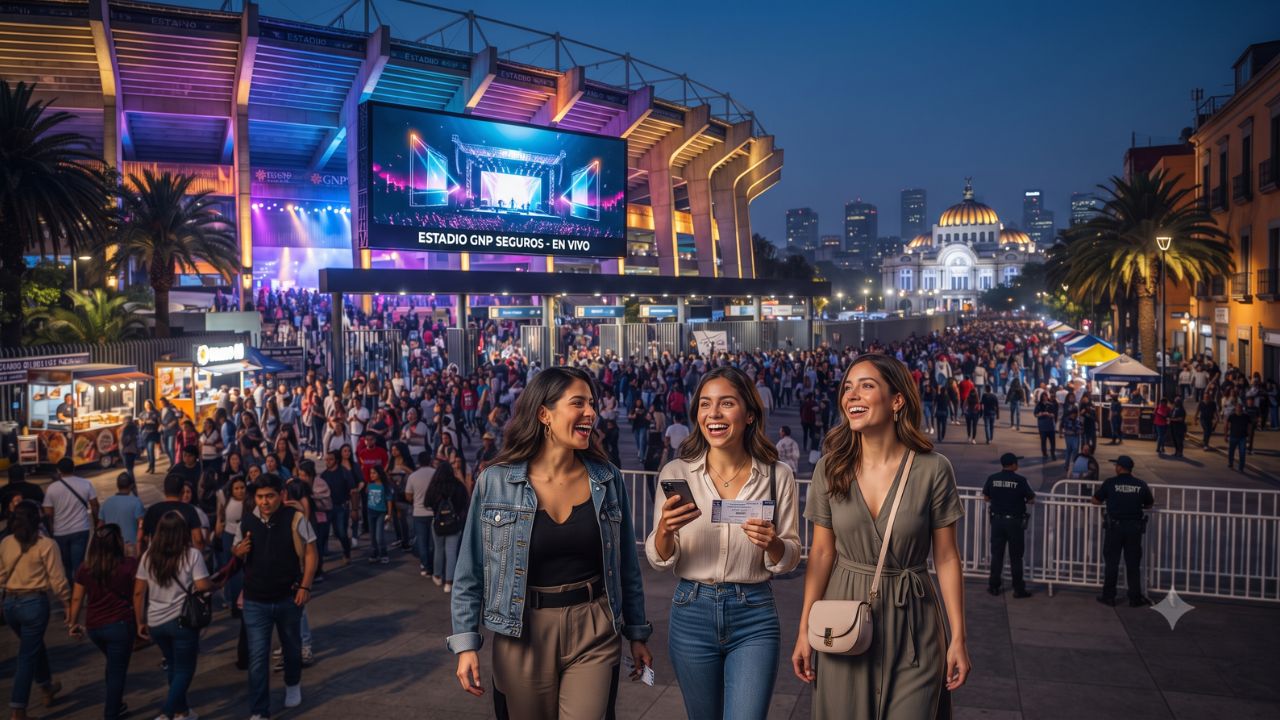
Generating approximately 159 billion Mexican pesos in tourism-related economic activity and drawing 15.6 million tourists alongside 62.3 million total visitors in 2025, Mexico City has consolidated its position as North America's premier international concert tourism destination. Supported by an average hotel occupancy rate of 67.9%, the Mexican capital is increasingly siphoning live entertainment spending from travelers originating in the United States, Canada, Europe, and South America. Driven by state-of-the-art venue modernization—headlined by the comprehensive 2024 redevelopment of Estadio GNP Seguros, formerly known as Foro Sol—international audiences are actively substituting inflated arena ticket costs in domestic markets for multi-day cultural vacations in Mexico.
This influx represents a profound evolution in how global music tours are commercialized. Rather than treating tour stops in Latin America as secondary logistical legs, global promoters now integrate Mexico City as a central anchor market. For foreign travelers, attending headline stadium performances is no longer an isolated evening event; it serves as the foundation for extended leisure itineraries incorporating UNESCO archaeological sites, renowned dining institutions, and historic urban architecture.
Venue Infrastructure: Modernizing the Capital's Entertainment Architecture
The physical scale of Mexico City's entertainment industry allows it to stage simultaneous world-class events across multiple musical genres. Leading this operational capacity is Estadio GNP Seguros in the eastern borough of Iztacalco. Following an extensive reconstruction that concluded in 2024, the stadium delivers modernized acoustics, expanded hospitality suites, and high-density egress corridors designed to handle major stadium tours.
Directly adjacent to the stadium within the Ciudad Deportiva Magdalena Mixhuca complex sit Palacio de los Deportes and the Autódromo Hermanos Rodríguez, creating a concentrated mega-events district capable of hosting multi-day music festivals and arena concerts simultaneously. Across town in the Polanco district, the historic Auditorio Nacional serves as the gold standard for acoustic excellence and performing arts, while Arena Ciudad de México in Azcapotzalco provides enclosed indoor arena capacity for large spectacles.
| Venue Name | Borough / District | Operational Specialty | Transit & Accessibility |
|---|---|---|---|
| Estadio GNP Seguros | Iztacalco | International mega-stadium concerts (redeveloped in 2024) | Metro Line 9 (Ciudad Deportiva & Puebla stations) |
| Palacio de los Deportes | Iztacalco | Large-scale indoor arena music performances | Metro Line 9 (Velódromo station), adjacent to stadium |
| Auditorio Nacional | Polanco Area | Acoustic concerts, cultural programs, and symphonic events | Metro Line 7 (Auditorio station), Paseo de la Reforma |
| Arena Ciudad de México | Azcapotzalco | High-capacity private indoor arena events | Metro Line 6 (Ferrería) and Suburban Rail |
| Teatro Metropólitan | Centro Histórico | Mid-scale historic theater concerts and artistic tours | Metro Line 1 & Line 3 (Juárez / Balderas stations) |
| Pepsi Center WTC | World Trade Center District | Contemporary music events and mid-tier touring acts | Metrobús Line 1 (Poliforum station), Insurgentes Sur |
| Autódromo Hermanos Rodríguez | Iztacalco | Major international music festivals and motorsport events | Metro Line 9 and dedicated event shuttle corridors |
Municipal transit coordination plays a defining role in moving international ticket holders. According to operational guides published by Metro CDMX, Metro Line 9 serves as the transit spine for the Iztacalco sports complex via Ciudad Deportiva and Puebla stations. However, large stadium events routinely generate massive post-concert congestion, requiring international attendees to plan return logistics carefully, especially given midnight transit closures and restricted rideshare availability.
Urban Neighborhoods and the Extended Itinerary Economy
The economic multiplier of concert tourism extends far beyond the turnstiles of Iztacalco or Azcapotzalco. Unlike business visitors who remain tethered to financial corridors, music travelers systematically disperse their spending across the city's residential and cultural quarters.
According to development data from the Mexico City Tourism Board, international concertgoers predominantly concentrate their lodging reservations within four core zones: Roma, Condesa, Polanco, and the Centro Histórico. Roma and Condesa capture independent leisure travelers drawn to boutique hotels, independent coffee roasters, art galleries, and dynamic culinary scenes. Polanco absorbs high-net-worth attendees prioritizing five-star hospitality brands, luxury retail, and fine dining. Meanwhile, the Centro Histórico offers immediate proximity to architectural landmarks, including the Metropolitan Cathedral, the Zócalo, and the archaeological ruins of the Aztec Templo Mayor.
Concert itineraries frequently expand into full-week vacations. Outbound day excursions funnel foreign currency into surrounding regional heritage sites, such as the pre-Hispanic pyramids of Teotihuacán, the historic canals of Xochimilco, and the colonial courtyards of Coyoacán. Tourism promotion authorities under the federal Secretaría de Turismo (SECTUR) emphasize that this hybrid model—combining contemporary stadium entertainment with ancestral cultural assets—elevates visitor length of stay well beyond standard weekend city breaks.
Expert Analysis: Arbitrage Economics and Dynamic Pricing Pressures
The rapid growth of Mexico City as a concert travel hub is fueled by financial arbitrage. In the United States and the United Kingdom, algorithmic ticketing models, dynamic pricing surcharges, and secondary broker markups have driven face-value floor seats for major global artists to several thousand dollars.
For travelers booking this route, the direct consequence is a compelling economic trade-off: music enthusiasts can frequently purchase a top-tier concert ticket, round-trip international airfare, and four nights in a boutique hotel in Roma or Condesa for less than the price of a single resale ticket in New York, Los Angeles, or London. Furthermore, Mexican consumer protection regulations enforce stricter oversight over baseline ticketing fees, preventing the exorbitant service fees common in Anglo-American ticketing portals. However, international travelers must also account for fluctuating currency conversion rates, ticket pick-up policies that require local credit card verification, and strict entry identification rules.
The pricing pressure this creates means that local residents face mounting displacement in ticket access and urban lodging. As high-earning American and European tourists pour into ticketing queues for Mexico City dates, premium seating categories sell out in minutes, pushing domestic fans into upper stadium tiers.
Simultaneously, the concentration of music tourists drives short-term rental yields upward in neighborhoods like Roma Norte and Condesa, creating sharp price surges around announced stadium tour dates. When a global pop or rock tour books a four-night run at Estadio GNP Seguros, nightly accommodation rates in adjacent central districts escalate by 40% to 75%, forcing traditional leisure travelers to seek lodging in peripheral boroughs.
Key Takeaways
- Massive Economic Contribution: Mexico City generated approximately 159 billion Mexican pesos in tourism-related activity in 2025 across 15.6 million tourists and 62.3 million visitors.
- Modernized Stadium Asset: Estadio GNP Seguros (formerly Foro Sol) underwent a comprehensive redevelopment completed in 2024, cementing its status as Latin America's top stadium tour venue.
- Neighborhood Distribution: Event attendees concentrate lodging in Roma, Condesa, Polanco, and Centro Histórico, extending concert trips into broader cultural vacations.
- Transit Hotspots: Access to the primary Iztacalco stadium and arena complex relies heavily on Metro Line 9 via Ciudad Deportiva and Puebla stations.
- Arbitrage Appeal: High ticket prices and dynamic surges in the US and Europe make traveling to Mexico City for major live events an economically attractive alternative.
FAQ: Mexico City Concert Tourism 2026
What is the largest concert stadium in Mexico City?
Estadio GNP Seguros (formerly Foro Sol), located in the Iztacalco borough, is the city's primary stadium venue for global tours, having completed a comprehensive modernization in 2024.
Which metro stations serve Estadio GNP Seguros and Palacio de los Deportes?
Ciudad Deportiva and Puebla stations on Metro Line 9 provide direct walking access to both venues within the Magdalena Mixhuca sports complex.
Is attending a concert in Mexico City cheaper than in the US?
Often, yes. Lower baseline ticket fees and regulated pricing structures frequently make total trip packages—including flights and lodging—competitive with single US resale tickets.
What was Mexico City's hotel occupancy rate in 2025?
Mexico City recorded an average hotel occupancy rate of 67.9% in 2025, supported by 15.6 million arriving tourists and 62.3 million total visitors.
[For global music lovers, a concert in Mexico City transforms an evening performance into an immersive exploration of world-class culture and cuisine.]
Related Travel Guides
Disclaimer
This article is for informational and educational purposes only. It does not constitute legal, financial, or professional advice. While we strive to provide accurate and up-to-date information, travel policies, regulations, and conditions change rapidly. Always verify information with official sources before making travel decisions. Nomad Lawyer makes no representations about the accuracy, reliability, completeness, or suitability of the information provided. Readers should consult qualified professionals for advice specific to their circumstances. The views expressed in this article are those of the author and do not necessarily reflect the views of Nomad Lawyer.
Naina Thakur
Contributor & Travel Specialist
Travel enthusiast and legal writer covering visa regulations, responsible tourism, and cultural journeys across global destinations.
Learn more about our team →