
Metro Noida Centre Turns Down Greater Noida West Corridor: Fresh DPR Demanded
Union Ministry rejects Greater Noida Metro corridor DPR in 2026, citing procedural gaps. Fresh independent technical assessment required before project advances further.

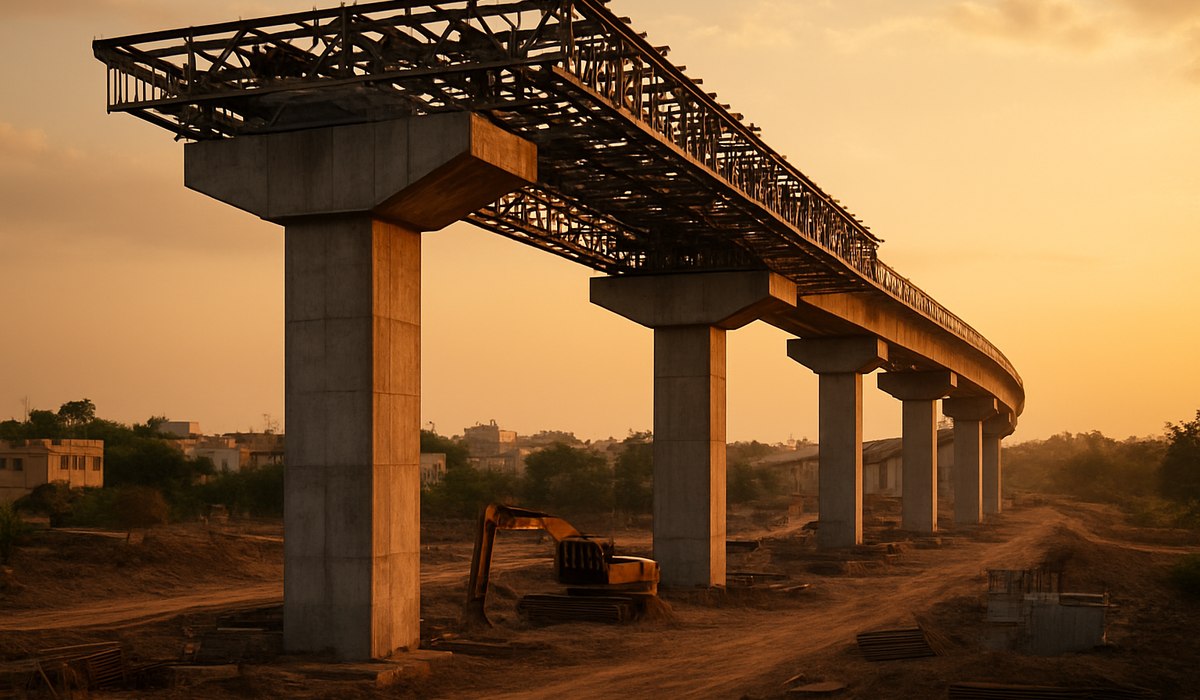
Image generated by AI
Greater Noida West Metro Corridor Stalls Following Centre's DPR Rejection
The Union Ministry of Urban Development has rejected the revised Detailed Project Report (DPR) for the proposed metro noida centre corridor serving Greater Noida West. Officials cited procedural irregularities and technical deficiencies as primary reasons for the decision. The ministry has demanded a fresh, independently commissioned technical assessment before the project can progress. This marks another significant setback for the ambitious rapid transit expansion connecting the National Capital Region's industrial and residential zones.
Centre's Concerns: Why the DPR Was Rejected
The metro noida centre project encountered substantial pushback from federal authorities over how the revised DPR was compiled. The Ministry of Urban Development raised objections stating the submission lacked the independence required for major infrastructure financing. Technical specifications fell short of national standards for elevated metro construction in high-density urban corridors.
Procedural gaps included insufficient environmental impact assessments and unclear funding allocation frameworks. The Centre emphasized that revised submissions must undergo rigorous third-party validation rather than relying solely on state-level evaluations. Engineers flagged concerns regarding passenger capacity projections, station design compatibility with existing Greater Noida infrastructure, and integration points with Delhi's broader metropolitan rail network.
Officials indicated the original consultant team should not undertake the fresh assessment to maintain objectivity and credibility. This requirement adds approximately 4-6 months to the project timeline. Regional transport authorities now face pressure to identify independent agencies with metro system design expertise and proven track records across India's operational rapid transit networks.
Impact on Greater Noida Connectivity and Timeline
The rejection significantly delays connectivity improvements for Greater Noida's rapidly expanding commercial and residential sectors. Commuters depending on proposed metro noida centre connections now face extended reliance on road-based transportation and existing bus rapid transit services. Journey times between Greater Noida West and central Delhi currently exceed 90 minutes during peak hours via highway corridors.
The delayed metro corridor particularly affects industrial workers, office employees, and students traversing between Greater Noida's manufacturing zones and Delhi's employment centers. Real estate development projects contingent on improved transit infrastructure face timeline uncertainties. Commercial ventures banking on enhanced accessibility now require contingency planning for extended conventional transportation dependencies.
Infrastructure planners estimate the fresh DPR process will postpone project groundbreaking by 12-18 months minimum. Financial allocations may shift toward other priority corridors within the National Capital Region's metro expansion framework. Stakeholders in Greater Noida's commercial ecosystem express concern regarding competitive disadvantages against better-connected satellite cities like Gurgaon and Noida.
What's Required for Fresh Submission
State authorities must engage an independent, federally-approved engineering consultant with demonstrated expertise in elevated metro system design. The new DPR requires comprehensive technical documentation addressing passenger flow modeling, structural engineering specifications, and operational cost projections. Environmental clearances must include detailed assessments of construction impacts on existing communities along the proposed 32-kilometer corridor.
Financial viability studies must demonstrate sustainable revenue models incorporating fare structures, non-fare income opportunities, and long-term operational sustainability. The fresh submission should incorporate learnings from operational metro noida centre systems across India, particularly Delhi Metro's expansion experiences in peripheral zones. Community consultation reports documenting stakeholder feedback from Greater Noida residents and businesses strengthen submission credibility.
Geotechnical surveys must provide updated soil analysis and underground utility mapping along the entire proposed route. Risk mitigation strategies should address construction challenges specific to Greater Noida's topography and existing infrastructure density. The revised timeline now targets submission by Q3 2026, assuming procurement processes for independent consultants conclude without delays.
Implications for Regional Metro Expansion Plans
The metro noida centre project's setback reverberates across broader National Capital Region rapid transit expansion strategies. Other satellite city metro corridors under planning may face heightened scrutiny regarding DPR quality and procedural compliance. The Centre's firm stance signals strengthened oversight mechanisms for major infrastructure projects requiring federal funding participation.
Greater Noida's industrial corridor—home to pharmaceutical manufacturers, automotive suppliers, and technology companies—now competes less favorably for regional investment capital. Developers prioritizing locations with confirmed rapid transit connectivity may shift focus toward sectors with operational metro networks. Employment clusters in Greater Noida face talent attraction challenges without promised transit improvements.
The rejection establishes precedent for elevated federal standards in metro project submissions, potentially raising benchmarks across emerging metropolitan areas. Similar corridors in Agra, Lucknow, and other growth centers may require enhanced technical rigor. Regional transport authorities increasingly recognize that cut-rate DPR preparations trigger costly delays rather than expediting project approval.
Key Project Data Overview
| Parameter | Details |
|---|---|
| Project Name | Greater Noida West Metro Corridor |
| Proposed Length | 32 kilometers |
| Estimated Stations | 24 stations across industrial and residential zones |
| Current Status | DPR rejected; fresh independent assessment demanded |
| Expected Commissioning | 2029-2030 (revised timeline pending fresh approval) |
| Primary Route Zones | Greater Noida West, Ecotech Extn., Sector Beta II |
| Estimated Project Cost | ₹12,000-14,000 crores (subject to revised DPR finalization) |
| Funding Structure | Central assistance, state contribution, viability gap funding |
| Expected Daily Ridership | 2.5-3 lakh passengers (at full operational capacity) |
| Integration Points | Delhi Metro Blue/Aqua lines, Greater Noida bus network |
What This Means for Travelers: Actionable Takeaways
1. Plan Extended Journey Times: Until the metro noida centre corridor becomes operational, expect 90+ minute commute times between Greater Noida and central Delhi via road transport during peak hours. Budget accordingly for business travel and daily commuting.
2. Utilize Current Transit Options: Delhi Metro's existing connectivity via Noida City Centre station remains your fastest alternative. The Blue Line extension to Noida connects with bus services bridging to Greater Noida zones.
3. Monitor Project Updates: Subscribe to official Noida Metro Rail Corporation (NMRC) announcements and Ministry of Urban Development press releases for fresh DPR submission timelines and approval decisions.
4. Consider Accommodation Strategies: Business travelers with frequent Greater Noida trips should evaluate staying within Noida proper or central Delhi to minimize transportation time and costs until improved connectivity materializes.
5. Explore Ride-Sharing Options: Aggregator services like Uber and Ola offer reliable alternatives, though costs remain premium during peak commuting windows.
Frequently Asked Questions
Q: When will the fresh DPR be submitted? The revised Detailed Project Report targeting Q3 2026 submission, pending completion of independent consultant procurement and technical assessment phases. Final ministry approval could extend timeline into 2027.
Q: Which areas does the proposed metro noida centre corridor serve? The 32-kilometer corridor connects Greater Noida West through Ecotech Extension, Sector Beta II, and industrial zones, ultimately linking with Delhi's existing metro network at designated integration points.
Q: How will this delay affect property values in Greater Noida? Property appreciation dependent on promised transit connectivity may experience slower growth trajectories. Commercial real estate faces competitive disadvantages versus better-connected neighboring regions through 2028-2029.
Q: What alternative transportation exists currently? Delhi Metro's Blue Line reaches Noida City Centre with bus connections to Greater Noida. Road transport via NH-44 and expressways provides direct but congestion-prone alternatives to central Delhi destinations.
Related Travel Guides
Explore these complementary resources for comprehensive National Capital Region transit planning:
- [Delhi Metro Expansion: New Lines and Station Updates for 2026 Travel](/blog/delhi-metro
Disclaimer
This article is for informational and educational purposes only. It does not constitute legal, financial, or professional advice. While we strive to provide accurate and up-to-date information, travel policies, regulations, and conditions change rapidly. Always verify information with official sources before making travel decisions. Nomad Lawyer makes no representations about the accuracy, reliability, completeness, or suitability of the information provided. Readers should consult qualified professionals for advice specific to their circumstances. The views expressed in this article are those of the author and do not necessarily reflect the views of Nomad Lawyer.
Preeti Gunjan
Contributor & Community Manager
A passionate traveller and community builder. Preeti helps grow the Nomad Lawyer community, fostering engagement and bringing the reader experience to life.
Learn more about our team →