Melbourne Expands Suburban Bus Network with 'Love, The Bus' Campaign: Connecting Victoria’s Northern and Western Cultural Hubs

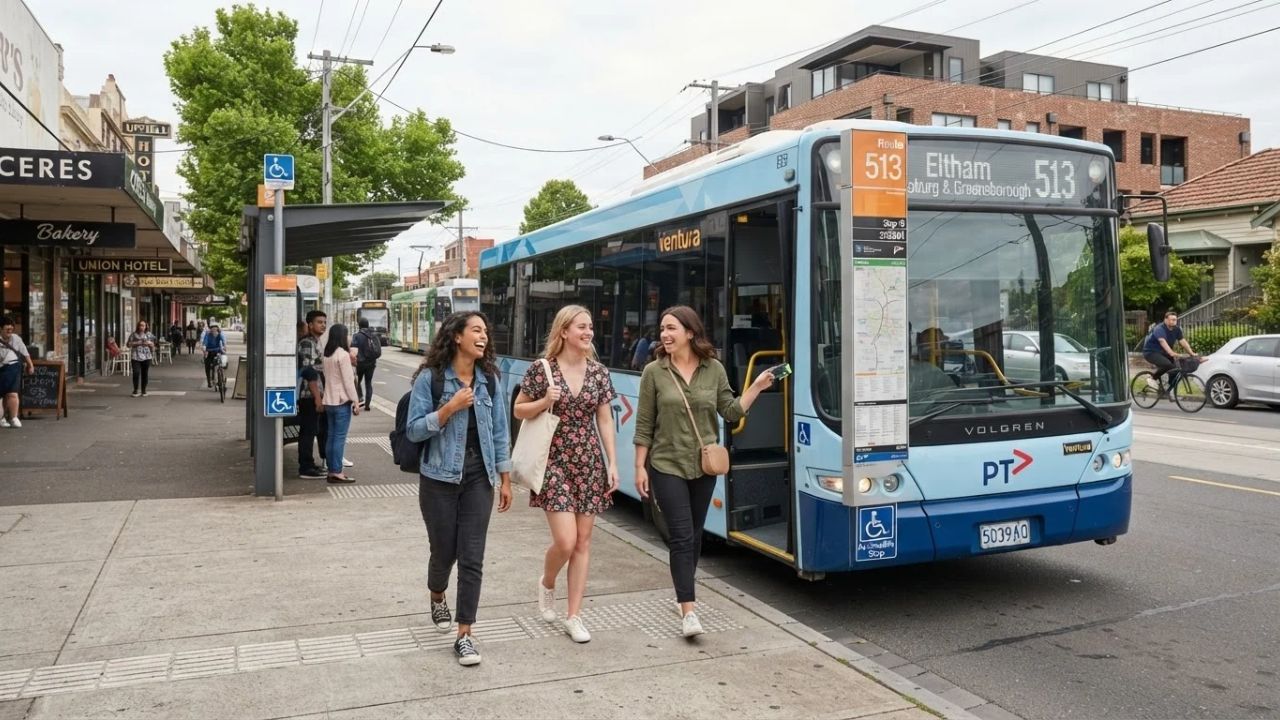
Connecting growing suburban neighborhoods with thousands of new transit connections, Transport Victoria has launched its creative "Love, The Bus" initiative alongside a massive expansion of Melbourne’s metropolitan bus services in September 2026, injecting over 2,750 additional weekly trips across the city’s northern and western corridors. The network enhancement delivers 781 new weekly trips across nine routes in Melbourne’s north and more than 1,970 weekly services across eight routes in the outer west—including an entirely new bus line—transforming how residents and independent travelers navigate beyond the traditional tram grid.
While international visitors typically associate Victoria’s capital with its iconic green-and-gold trams and inner-city laneways, vast tracts of Melbourne's multicultural dining precincts, historic parklands, and emerging arts quarters sit outside the rail corridors. By humanizing the public transit fleet through interactive digital route displays and boosting off-peak frequency, the campaign provides an affordable, zero-stress gateway for visitors to explore authentic regional communities without renting a car.
The Local Trend Revealed: Reimagining Melbourne’s Outer Transit Grid
Melbourne has experienced steady demographic expansion outward into its northern and western municipalities, including Wyndham, Melton, Hume, and Whittlesea. While the central business district (CBD) enjoys the famous Free Tram Zone, outer suburban travel historically required car ownership or navigating infrequent weekend bus timetables.
The September 2026 service rollout addresses this disparity through structural frequency upgrades:
Travelers can plan their journeys and check the latest timetable updates through the official Public Transport Victoria (PTV) website.
- The Outer Western Corridors: More than 1,970 weekly services have been integrated across eight routes, headlined by the introduction of an entirely new dedicated bus route serving newly developed residential and commercial zones in Melbourne’s fast-expanding west.
- Northern Suburbs Expansion: Nine routes throughout the northern suburbs have gained 781 combined weekly services, closing gaps between railway stations, neighborhood shopping strips, and regional healthcare hubs.
- The "Love, The Bus" Creative Angle: Developed by agency partner Taboo alongside Snack Drawer, Ethnolink, and OMD, the campaign humanizes the vehicle itself. Utilizing the digital electronic destination signs on the front and rear of the bus to display witty, warm messages, the campaign challenges lingering cultural stigmas around bus travel and encourages urban explorers to view the bus as a friendly community companion.
Cultural & Environmental Value: Zero-Emission Transit and Neighborhood Equity
The strategic expansion of Melbourne's bus network delivers significant environmental and social benefits, supporting Victoria’s broader sustainability and regional tourism goals:
Decarbonizing Urban Transit
- The Zero Emission Bus (ZEB) Rollout: Transport Victoria continues transitioning its public fleet to zero-emission technology. Many of the expanded northern and western routes are serviced by whisper-quiet electric buses operating out of upgraded depots, reducing tailpipe particulate emissions and localized noise pollution in residential streets.
- Reducing Private Vehicle Dependence: By providing dependable 15-to-20-minute frequencies during midday and weekend windows, the network encourages both suburban residents and visiting travelers to leave their personal vehicles at home, alleviating traffic snarls on major arteries like the West Gate Freeway and Tullamarine Freeway.
- Economic Redistribution Beyond the CBD: Spreading visitor mobility into outer suburban centers directs tourist dollars directly to family-owned bakeries, multicultural grocery markets, independent galleries, and community sports venues that rarely benefit from inner-city tourism spending.
Unlocking Melbourne’s Hidden Suburban Treasures: Beyond the Tram Tracks
With thousands of additional weekly bus services active across the north and west, travelers can design self-guided day trips to iconic cultural and natural attractions that were previously difficult to access via public transit:
The Western Cultural Trail: Footscray to Werribee
- Footscray Cultural Gastronomy: Located just four miles west of the CBD and easily connected by bus hubs, Footscray is Melbourne’s multicultural culinary heart. Wander through the Footscray Market, savor steaming bowls of northern Vietnamese beef pho, and sample fresh Ethiopian injera flatbreads served with slow-cooked spiced lentils.
- Werribee Park Mansion and Victoria State Rose Garden: Hop on an outer-western connecting bus to reach the majestic 1870s Italianate Werribee Mansion, set amidst formal gardens and the internationally acclaimed Victoria State Rose Garden, which displays over 5,000 rose bushes in the shape of a giant Tudor rose.
- Werribee Open Range Zoo: An expansive 550-acre savannah reserve where travelers board safari buses to view free-roaming southern white rhinos, giraffes, zebras, and antelopes, showcasing world-class grassland conservation programs.
The Northern Heritage Arc: Brunswick, Coburg, and Preston
- Sydney Road Cultural Corridor: Take northern feeder buses along the southern hemisphere’s longest continuous shopping strip. Explore Middle Eastern pastry shops in Coburg selling fresh walnut baklava and savory za'atar flatbreads, alongside second-hand vintage emporiums and classic neighborhood pubs.
- Preston Market: An energetic cultural bazaar operating since 1970, renowned for authentic Greek delicatessens, Italian espresso bars, artisan sourdough bakeries, and freshly caught seafood stalls.
Visitor Insider Tips: Navigating Melbourne’s Bus Network Like a Local
Using Melbourne’s public bus network is straightforward once you master a few local operational customs:
For more information on exploring the diverse attractions and cultural hubs of the region, visit Visit Melbourne.
Ticketing and the myki Fare System
- Unified myki Card: Melbourne’s buses, trains, and trams operate on a single integrated smartcard ticketing system called myki. Purchase a physical myki card at any railway station, major bus interchange, or 7-Eleven store, or load a digital Mobile myki instantly via Google Wallet on compatible smartphones.
- Daily Fare Cap Advantage: Victoria features an integrated daily fare cap ($10.60 AUD on weekdays and just $7.20 AUD on weekends and public holidays). Once you tap your myki for two trips, all subsequent travel across all trains, trams, and buses for the rest of the day is completely free, making all-day suburban bus exploration remarkably cost-effective.
- Always Tap On and Tap Off: When boarding a bus, tap your myki card against the green card reader located at the front entrance. When disembarking, tap off at the reader beside the exit door to ensure you are charged the correct zone fare.
Local Etiquette and Boarding Rituals
- Hail the Bus with an Outstretched Hand: Melbourne bus drivers will not automatically stop at every bus shelter unless a passenger presses the bell to disembark or a waiting traveler signals from the curb. When you see your bus approaching, step clearly toward the curb and raise your arm horizontally to signal the driver to pull over.
- Board Front, Disembark Rear: Board through the front doors beside the driver, allowing arriving passengers to exit via the center or rear doors.
- Say "Thank You" to the Driver: A beloved and near-universal Australian social custom: as you step off the bus at your destination, call out a cheerful "Thank you, driver!" toward the front cabin. It is a small gesture of mutual respect that defines Melbourne’s public transit culture.
Digital Planning Tools
- Download the Public Transport Victoria (PTV) App: Avoid waiting at curbside stops by using the free PTV app. It provides real-time GPS vehicle tracking, live departure countdowns, and platform announcements for every bus, train, and tram route across metropolitan Melbourne.
Authentic Flavors of Melbourne’s Outer Suburbs
Stepping off the bus in Melbourne’s northern and western suburbs unlocks some of the most dynamic, authentic dining in the Asia-Pacific:
Signature Suburban Specialties
- Vietnamese Crispy Pork Banh Mi (Footscray): A warm, crackling French baguette stuffed with slow-roasted pork belly, smooth chicken liver pâté, pickled daikon and carrot ribbons, fresh cucumber batons, fiery bird's eye chilies, and fresh coriander sprigs.
- Traditional Ethiopian Doro Wat (Footscray & Sunshine): Tender chicken drumsticks slow-simmered in rich berbere spice paste, clarified spiced butter (niter kibbeh), and hard-boiled eggs, served atop a vast, spongy circle of fermented teff-flour injera.
- Lebanese Cheese and Za'atar Manakish (Coburg & Broadmeadows): Wood-fired flatbreads pulled bubbling from brick ovens, slathered with olive oil, wild thyme, toasted sesame seeds, and melted salty akkawi cheese.
- Greek Honey Loukoumades (Preston): Crisp, golden, bite-sized yeast doughnut puffs soaked in warm spiced honey syrup, sprinkled with toasted sesame seeds and ground cinnamon, served with rich Greek frappe iced coffee.
Tourism Outlook: A More Connected, Accessible Victoria
The expansion of Melbourne’s bus network and the roll-out of the "Love, The Bus" campaign mark an important evolution in Victorian tourism planning. For years, destination marketing centered almost exclusively on Melbourne’s urban grid, the Yarra River promenade, and iconic regional road trips like the Great Ocean Road.
To learn more about the state's broader infrastructure and sustainability initiatives, explore the Victorian Government official portal.
By investing in high-frequency, reliable suburban bus corridors, Transport Victoria and Visit Victoria are democratizing regional exploration. International students, working holidaymakers, budget travelers, and eco-conscious tourists can now venture far into outer communities, exploring wildlife reserves, historic pastoral estates, and diverse dining cultures safely and affordably.
As Melbourne continues its journey toward becoming Australia’s most populous metropolis, its buses are proving that the soul of the city is not confined to its central towers; it lives in the neighborhoods, streets, and communities connected every day by public transit.
Related Travel Guides
- Australian Outbound Travel Surge: Indonesia, Bali, Japan, and New Zealand Lead Market Growth
- Australia Coastal Gateway Urbanism: Regional Tourism Economy Guide 2026
- Australia Footy Finals Travel: Qantas Melbourne and Sydney Surge 2026
FAQ: Melbourne Expands Suburban Bus Network 2026
How do I use the expanded bus network in Melbourne's north and west? You can use a myki card to pay for all bus services. Use the PTV app or website to find the updated 2026 timetables and navigate the new routes in the northern and western corridors.
What is the "Love, The Bus" campaign? It is a creative initiative by Transport Victoria that uses digital destination signs to display friendly, witty messages, aiming to make bus travel more welcoming and humanized for residents and visitors.
Are there new bus routes available for tourists in outer Melbourne? Yes, the September 2026 expansion includes an entirely new bus line in the outer west and thousands of additional weekly trips, making it easier to reach multicultural dining and arts precincts.
Is the expanded bus network environmentally friendly? Yes, the expansion aligns with Victoria's sustainability goals, including the ongoing rollout of Zero Emission Buses (ZEB) to decarbonize urban transit and reduce the city's carbon footprint.
This article is for informational purposes. Flight routes, passenger regulations, visa rules, and transit advisories are subject to change by airlines and aviation authorities. Readers are advised to verify schedules and travel documentation with relevant carriers and border agencies before departure.
Related Stories

Warm US Winter Travel Guide 2026–2027: Nine Sunshine Escapes from the Florida Keys to Hawaii

Galápagos Santa Cruz Flooding Alert 2026: Baltra Airport Updates, Island Road Conditions, and Travel Guide