
Thailand, Laos, Vietnam, Cambodia, Myanmar Issue Mekong Travel Alert as El Niño Threatens Haze and Wildfires Across Region in 2026
Five Southeast Asian nations warn travelers about El Niño-driven wildfire risks and cross-border haze pollution expected to peak August-September 2026, though most travel continues normally.

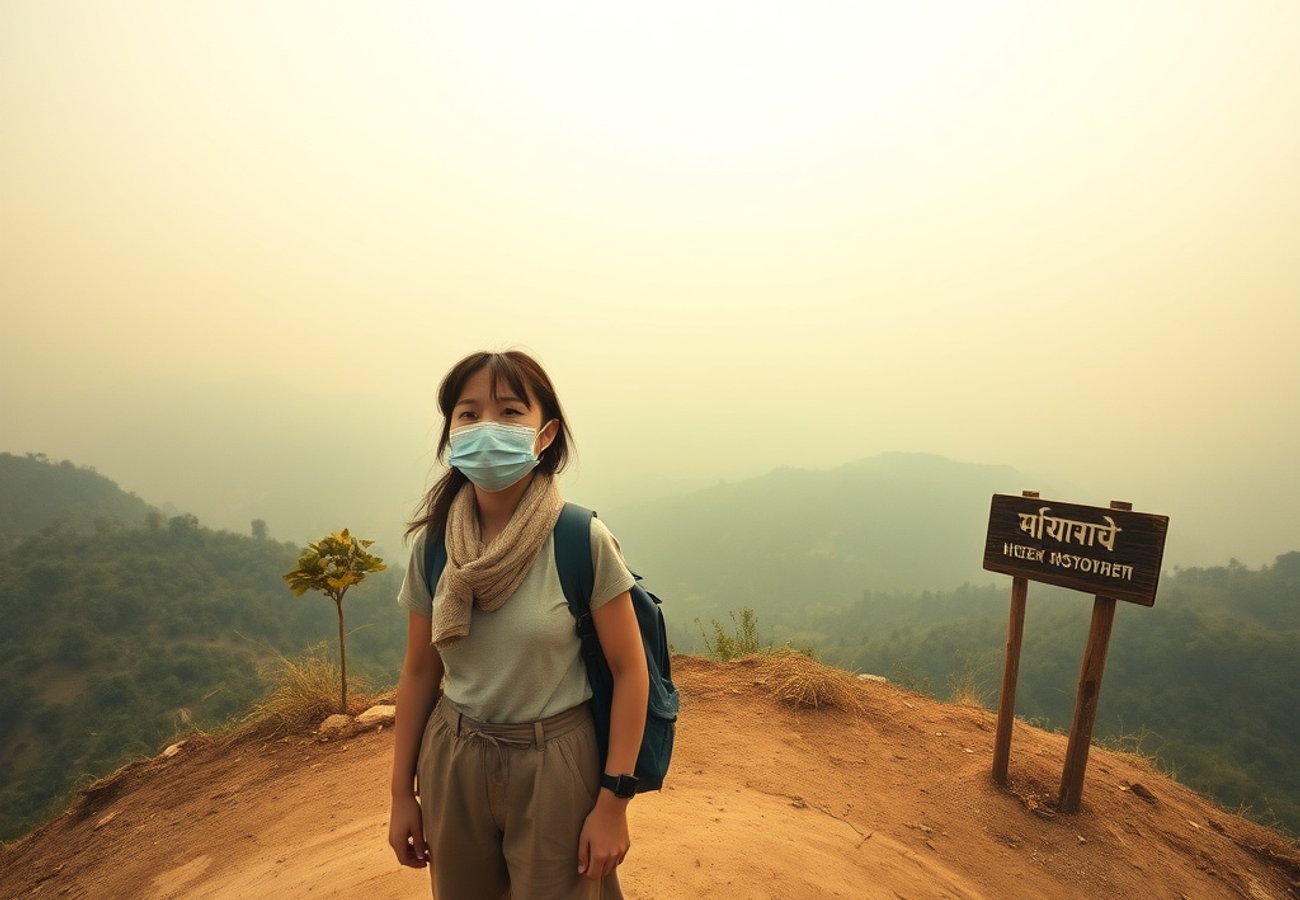
Image generated by AI
Planning a trip across the Mekong region this year? Officials across Thailand, Laos, Vietnam, Cambodia, and Myanmar want you to know what's coming. The latest Asia travel warning centers on a returning environmental threat: El Niño conditions that could ignite a cascade of forest fires and blanket the Greater Mekong Subregion in dangerous haze during the critical August-September period.
This isn't a cancel-your-flights situation. But it is a climate reality that requires attention.
ASEAN Ministers Meet on Haze, Coordination Intensifies
Government leaders from all five nations gathered recently in Vientiane for the 14th Meeting of the Sub-Regional Ministerial Steering Committee on Transboundary Haze Pollution. The focus was surgical: limiting cross-border smoke pollution through coordinated regional action.
Officials reviewed environmental data, assessed wildfire hotspot patterns, and hammered out emergency coordination protocols for the challenging months ahead. The underlying message was unmistakable—smoke doesn't respect borders, so neither should national responses.
Prime Minister Sonexay Siphandone of Laos made the stakes explicit: forest fires continue threatening biodiversity, public health, and economic activity across the entire region. ASEAN's long-term goal remains clear—a haze-free region by 2030.
Reddit: "If you're traveling to Thailand or Laos in late summer, check the air quality index daily. It can shift from decent to hazardous in 48 hours." — r/Thailand
The Progress That Gives Hope—And the Warning That Follows
Here's the encouraging news first: wildfire hotspots during the 2025 dry season dropped 34 percent compared with 2024, according to figures presented at the meeting. Governments credit stronger monitoring systems, faster response times, and closer ASEAN collaboration for this measurable improvement.
But officials immediately tempered the optimism with a crucial caveat.
Monitoring data covering December 2025 through May 2026 showed an 8 percent increase in fire hotspots compared with the same period the previous year. In March alone, regional authorities escalated to Alert Level 3 after smoke spread across eastern Myanmar and northern areas of Thailand, Laos, and Vietnam. That's the middle warning tier—uncomfortable but not yet critical.
The message: progress is real, but seasonal volatility remains inherent to the region's geography and climate patterns.
Why El Niño Changes Everything
Here's where the current alert becomes specific. Weather experts expect El Niño conditions to strengthen significantly during August and September, bringing elevated temperatures and reduced rainfall across the Greater Mekong Subregion.
Dry forests and vulnerable farmland become tinderboxes. Once fires ignite, smoke plumes don't stop at national borders. They travel hundreds of kilometers, affecting major cities, tourist destinations, and rural communities with equal indifference.
This outlook explains why governments are escalating preparedness measures now, before the driest months arrive. The National Center for Atmospheric Research provides detailed El Niño tracking data that confirms seasonal strengthening patterns.
Which Areas Face the Highest Haze Risk?
Authorities have not imposed travel restrictions, but specific zones could experience temporary air quality degradation if wildfire activity intensifies:
- Northern Myanmar
- Northern Vietnam (Hanoi region, Ha Giang Province)
- Northern Laos
- Northern Thailand (Chiang Mai, Nan Province)
- Parts of the Greater Mekong Subregion's agricultural zones
The exact geography of haze development depends on rainfall patterns, wind direction, and fire activity—meaning conditions can shift dramatically within days.
The Real Impact on Your Travel Plans
For most visitors, operations continue normally. Flights land, hotels function, tourist attractions stay open. But travelers may encounter specific seasonal challenges:
Visibility constraints. Outdoor attractions become less enjoyable when haze reduces visibility to a few hundred meters. Mountain views in northern Thailand or Laos could be obscured during peak wildfire periods.
Outdoor activity disruptions. Hiking, trekking, and national park visits may be affected by smoke density. Air quality advisories could recommend limiting strenuous outdoor exertion.
Health impacts for vulnerable groups. Travelers with asthma, chronic bronchitis, or respiratory conditions may experience greater discomfort. The World Health Organization publishes air quality health guidelines worth reviewing before traveling.
Flexible planning pays dividends. Check local air quality forecasts before setting out each day. Keep outdoor sightseeing plans flexible—what's hazardous at sunrise may clear by afternoon.
Governments Expand Prevention—But Agricultural Burning Remains the Culprit
While lightning and natural forest conditions spark some wildfires, agricultural burning remains the largest contributor to regional haze. Many farming communities traditionally use controlled burning to prepare land for cultivation. During dry years, these fires become difficult to contain and amplify regional smoke pollution.
Governments are promoting sustainable farming alternatives that reduce emissions while maintaining agricultural productivity. Expanding satellite detection systems, strengthening cross-border coordination, and launching public awareness campaigns are all part of the 2026-2030 strategy.
Prime Minister Siphandone emphasized that forest fires threaten more than air quality—they damage biodiversity, strain public health systems, and disrupt economic activity. That's why regional cooperation matters.
Simple Steps to Travel Smart During Haze Season
If you're heading to Southeast Asia during August-September 2026, practical preparation matters:
Consult healthcare providers. If you have respiratory conditions, discuss the seasonal haze reality with your doctor before traveling.
Monitor air quality updates. The US Embassy Bangkok AirNow website provides real-time air quality data for major Thai cities. Similar updates exist for other Mekong capitals.
Pack face masks. Carry N95 or KN95 masks. Air quality can degrade rapidly, and masks provide measurable protection.
Remain geographically flexible. If northern Thailand experiences heavy haze, southern Thailand or coastal destinations may offer cleaner air and better visibility.
Follow official weather forecasts. Check local meteorological services daily before planning outdoor activities.
The Regional Cooperation Story That Actually Matters
One core message dominated the Vientiane meeting: no country solves transboundary haze alone. ASEAN governments are expanding information sharing, improving wildfire monitoring capabilities, and coordinating emergency responses more closely than at any previous point.
This is measurable progress. The 34 percent reduction in 2025 hotspots didn't happen by accident—it reflects institutional coordination that didn't exist five years ago.
Key Takeaways for Travelers
El Niño is expected to strengthen August-September 2026, increasing wildfire and haze risks across the Mekong region. Governments have reduced hotspots significantly, but seasonal haze remains a predictable challenge. This travel alert encourages preparation and monitoring rather than cancellations. Five nations are strengthening coordination through ASEAN frameworks. Most travelers will proceed with normal plans, but flexibility and awareness matter. Face masks, air quality apps, and flexible outdoor scheduling are practical risk-management tools.
The Mekong travel alert of 2026 reflects climate reality, not travel collapse. Governments across Thailand, Laos, Vietnam, Cambodia, and Myanmar are taking measurable preventive action. Travelers who stay informed, remain flexible, and plan with seasonal awareness will navigate the region successfully—haze and all.
Don't skip Southeast Asia; just pack a mask and check the AQI.
Related Travel Guides
Disclaimer
This article is for informational and educational purposes only. It does not constitute legal, financial, or professional advice. While we strive to provide accurate and up-to-date information, travel policies, regulations, and conditions change rapidly. Always verify information with official sources before making travel decisions. Nomad Lawyer makes no representations about the accuracy, reliability, completeness, or suitability of the information provided. Readers should consult qualified professionals for advice specific to their circumstances. The views expressed in this article are those of the author and do not necessarily reflect the views of Nomad Lawyer.
Preeti Gunjan
Contributor & Community Manager
A passionate traveller and community builder. Preeti helps grow the Nomad Lawyer community, fostering engagement and bringing the reader experience to life.
Learn more about our team →