
Body Found: Search for Missing American Airlines Attendant Ends in Colombia
Body discovered March 28, 2026 in rural Colombia during search for American Airlines flight attendant who vanished in Medellín. Scopolamine poisoning suspected in case.

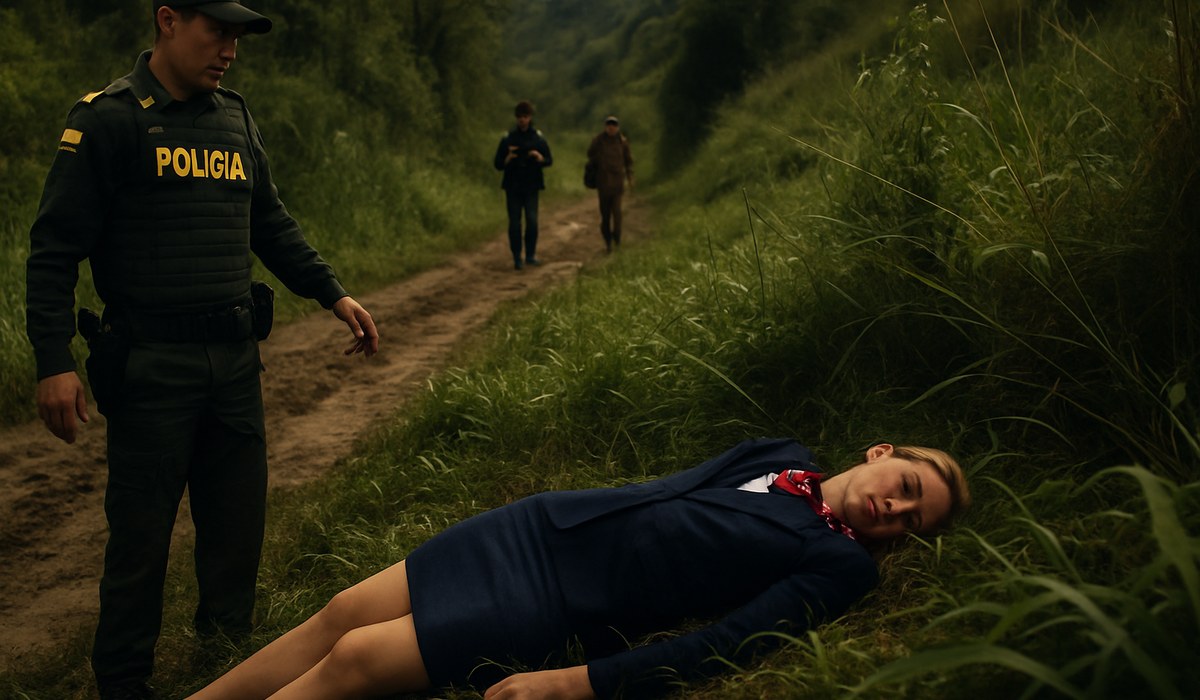
Image generated by AI
A body found search operation in Colombia has ended with the discovery of remains believed to be those of American Airlines flight attendant Fernando, who vanished during a layover in Medellín earlier this week. Colombian authorities located the body on March 28, 2026, in a rural area near Jericó, Antioquia—approximately 60 kilometers from where the crew member was last seen. The disappearance has intensified safety warnings for airline crews and international travelers visiting Colombian cities, with investigators examining whether the victim was drugged with scopolamine, locally known as "devil's breath."
Body Discovered in Antioquia Mountains After Multi-Day Search
Colombian search teams found the remains in a remote area near Jericó, Antioquia, on March 28, 2026, following days of coordinated efforts involving local authorities and international aviation communities. The location sits roughly one hour's drive southwest of Medellín's El Poblado district, where Fernando was last confirmed alive at a casino on March 25. Formal identification procedures remain in progress as of this publication, though preliminary reports from Colombian media outlets suggest the remains match physical descriptions of the missing American Airlines attendant. Family members and colleagues expressed grief on social media platforms as news of the discovery spread throughout the afternoon. The U.S. Department of State confirmed it is monitoring the situation and providing consular assistance to the victim's family through the U.S. Embassy in Bogotá.
American Airlines Crew Member Vanished During Medellín Layover
The 32-year-old flight attendant was in Medellín on a scheduled layover with another crew member when he disappeared on the night of March 25, 2026. According to social media posts from colleagues and local police reports, the pair left their hotel in the El Poblado neighborhood for an evening out. Security camera footage and witness accounts place Fernando at a casino in the Zona Rosa entertainment district around 11:30 PM local time. His fellow crew member was later found disoriented and seeking medical attention, while Fernando failed to return to the hotel or report for his scheduled departure the following morning. When American Airlines supervisors could not reach him by phone, the airline notified Colombian authorities and initiated internal protocols for missing crew members. The Association of Professional Flight Attendants shared safety alerts across its network as the search intensified throughout the week.
Scopolamine Poisoning Theory Under Investigation in Colombia Case
Investigators are examining whether Fernando was incapacitated with scopolamine, a powerful drug derived from plants in the nightshade family and commonly referenced in Colombian crime reports. The substance, known locally as "burundanga" or "devil's breath," has been linked to hundreds of documented robberies and violent crimes in Medellín, Bogotá, and Cartagena over the past decade. Victims typically report memory loss, disorientation, and an inability to resist commands after exposure through spiked drinks or contaminated cigarettes. No official toxicology results have been released as of March 28, 2026, though forensic teams are conducting comprehensive testing on the recovered remains. Travel safety experts from International SOS note that while sensationalized accounts of scopolamine sometimes exaggerate its effects, legitimate cases involving foreign visitors occur with concerning frequency in Colombian nightlife districts. The U.S. State Department's Colombia Travel Advisory specifically warns about drink spiking and scopolamine incidents in major urban centers.
Flight Crews Face Heightened Safety Risks During International Layovers
The incident has reignited discussions within aviation communities about safety protocols for crew members during overnight layovers in high-risk destinations. Flight attendant unions and airline security departments routinely brief personnel on precautions for cities where opportunistic crimes target foreign visitors. Industry best practices include traveling in groups of three or more during nighttime activities, using only verified hotel transportation services, never accepting food or drinks from strangers, and maintaining constant visual contact with beverages in bars and restaurants. Aviation security consultant Matthew Slater told reporters that crew members represent attractive targets for criminals because they typically carry multiple credit cards, passports, and cash in foreign currencies. Major U.S. carriers including American Airlines, Delta, and United have dedicated threat assessment teams that monitor crime patterns in layover cities and adjust crew advisories accordingly. Some airlines now restrict certain layover activities in Colombian cities or require crew members to remain within designated hotel zones during rest periods.
What This Means for Travelers Visiting Medellín in 2026
Immediate safety actions for visitors to Medellín and other Colombian cities:
- Never accept drinks, cigarettes, gum, or food from strangers, even in upscale establishments
- Keep drinks within sight at all times and order beverages directly from bartenders, not servers
- Use only official taxi apps (DiDi, Uber, or hotel-arranged transportation) rather than street hailing
- Travel in groups of three or more during evening activities outside hotel zones
- Share real-time location with trusted contacts using smartphone tracking features
- Book accommodations in El Poblado's Parque Lleras area or Laureles neighborhood with 24-hour security
- Register with the Smart Traveler Enrollment Program before traveling to Colombia
- Purchase comprehensive travel insurance with emergency medical evacuation coverage
The U.S. State Department maintains a Level 2 Travel Advisory for Colombia (Exercise Increased Caution) as of March 2026, with specific warnings about urban crime in major tourist areas.
Key Facts About American Airlines Flight Attendant Disappearance
| Fact Category | Details |
|---|---|
| Date of Disappearance | March 25, 2026, approximately 11:30 PM Medellín local time |
| Last Known Location | Casino in Zona Rosa entertainment district, El Poblado neighborhood |
| Body Discovery Date | March 28, 2026 in rural area near Jericó, Antioquia (60 km from Medellín) |
| Victim Profile | American Airlines flight attendant, age 32, on scheduled layover |
| Suspected Substance | Scopolamine (burundanga/"devil's breath"), pending toxicology confirmation |
| Search Duration | Approximately 72 hours involving Colombian National Police and volunteer groups |
| Current Investigation Status | Formal identification in progress; forensic testing underway as of March 28, 2026 |
Frequently Asked Questions About Scopolamine Incidents in Colombia
What is scopolamine and how does it affect victims in Colombia? Scopolamine is a tropane alkaloid drug extracted from plants in the nightshade family, including borrachero trees common in Colombian regions. When administered without consent, typically through spiked drinks or contaminated surfaces, it can cause severe disorientation, memory loss, and reduced resistance to suggestions. Colombian authorities document approximately 50,000 scopolamine-related crimes annually, though many incidents go unreported. Effects generally last 4-24 hours depending on dosage, during which victims may comply with commands to withdraw money, reveal passwords, or accompany criminals to secondary locations.
How can travelers protect themselves from scopolamine drugging during Colombia visits? The most effective protection involves vigilant drink monitoring and avoiding situations where substances can be administered covertly. Order drinks directly from bartenders in sealed containers, never leave beverages unattended, and decline food or cigarettes offered by new acquaintances. Scopolamine can be absorbed through skin contact, so avoid touching papers, business cards, or pamphlets handed by strangers on streets. Travel in groups of three or more, particularly after dark, and use only verified transportation services arranged through hotels or official apps. If you suspect exposure, seek immediate medical attention at facilities like Clínica Las Américas or Hospital Pablo Tobón Uribe in Medellín.
What areas of Medellín pose the highest risks for foreign visitors in 2026? While Medellín has made significant security improvements over the past two decades, opportunistic crimes targeting tourists concentrate in El Poblado's nightlife zones (particularly Parque Lleras after 10 PM), Laureles bars, and the downtown Centro district. The Zona Rosa entertainment area where the missing American Airlines attendant was last seen has documented elevated rates of drink spiking incidents. Travelers should exercise heightened caution in Comuna 13, despite its popularity for graffiti tours, and avoid neighborhoods like Manrique, San Javier, and Castilla without local guides. The Envigado and Sabaneta municipalities south of the city generally report lower crime rates for visitors.
Will American Airlines change layover policies for Medellín after this incident? While American Airlines has not released official policy changes as of March 28, 2026, aviation industry sources indicate the carrier is reviewing crew safety protocols for all Colombian destinations. Historical precedent from similar incidents suggests airlines typically implement enhanced briefings, restrict solo activities during layovers, mandate group movements outside hotels, or reduce layover durations in affected cities. Union representatives have called for comprehensive safety audits of all Latin American layover cities following the body found search outcome. Travelers booked on American Airlines flights through Medellín's José María Córdova International Airport (MDE) should monitor airline communications for potential schedule adjustments in coming weeks.
Related Travel Guides
Disclaimer
This article is for informational and educational purposes only. It does not constitute legal, financial, or professional advice. While we strive to provide accurate and up-to-date information, travel policies, regulations, and conditions change rapidly. Always verify information with official sources before making travel decisions. Nomad Lawyer makes no representations about the accuracy, reliability, completeness, or suitability of the information provided. Readers should consult qualified professionals for advice specific to their circumstances. The views expressed in this article are those of the author and do not necessarily reflect the views of Nomad Lawyer.
Preeti Gunjan
Contributor & Community Manager
A passionate traveller and community builder. Preeti helps grow the Nomad Lawyer community, fostering engagement and bringing the reader experience to life.
Learn more about our team →