
Mauritius Lifts Overnight Curfew as US, UK, and Canada Issue Fresh Travel Warnings Over Civil Unrest

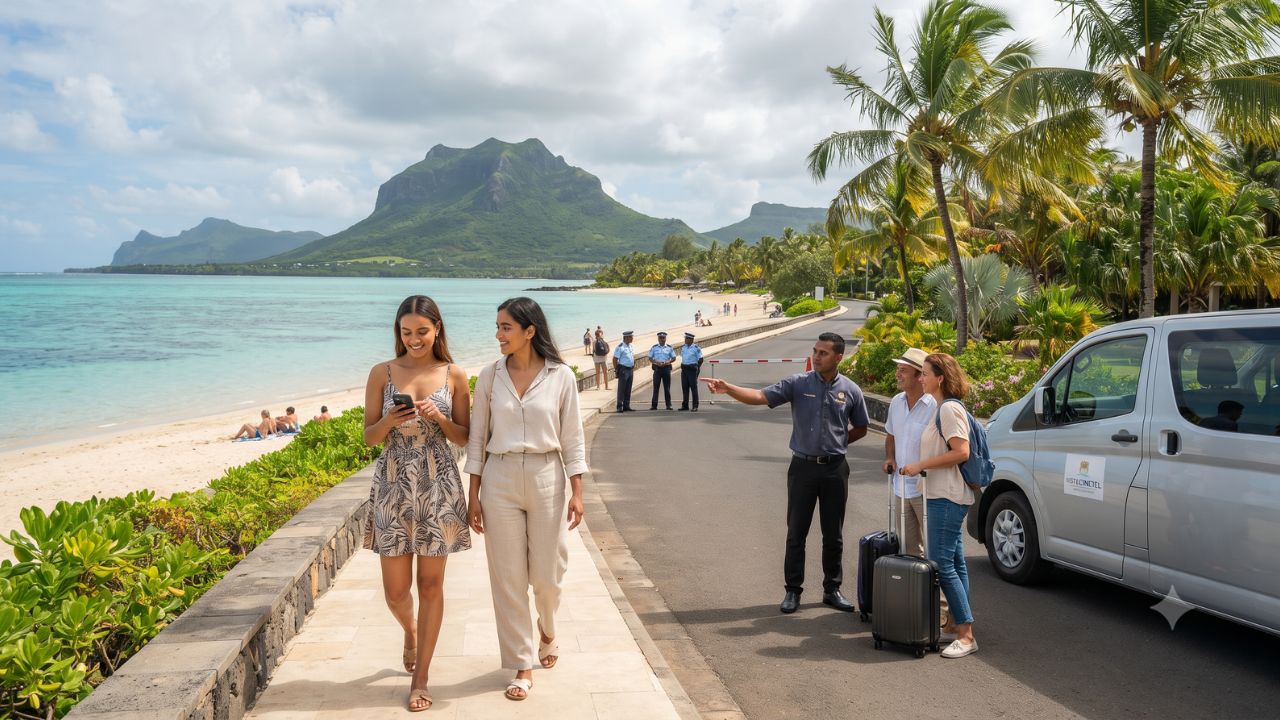
Following the expiration of an emergency overnight curfew enforced from 8:30 PM on 13 October to 6:00 AM on 14 October 2026, six Western governments—anchored by a standing Level 2 advisory from the United States—have updated their consular travel directives for Mauritius following civil unrest, roadblocks, and property damage sparked by a fatal police shooting. While Sir Seewoosagur Ramgoolam International Airport (MRU) and Port Louis maritime harbor remained operational and legally exempt from transit restrictions, the sudden imposition of martial movement controls has prompted international travel insurers, inbound tour operators, and luxury resort enclaves to heighten guest security protocols across the island.
The unrest exposes the delicate fault lines running through island destinations whose national economies depend on high-yield international leisure arrivals. While resort enclaves along the western and eastern lagoons remain physically isolated from urban civil friction, ground transit corridors connecting the central plateau with coastal properties experienced temporary blockades, creating logistical vulnerabilities for arriving and departing holidaymakers.
Civil Unrest and Government Emergency Measures
The immediate catalyst for state intervention was a deadly police altercation that triggered spontaneous street protests, tire fires, and debris roadblocks in multiple suburban residential districts on 13 October 2026. Mauritian police and interior authorities responded by enacting an emergency nationwide overnight curfew running from 8:30 PM on 13 October through 6:00 AM on 14 October to quell property damage and looting.
Importantly for the aviation sector, the Mauritius Tourism Promotion Authority (MTPA) coordinated with civil aviation and port police to ensure that international transit corridors remained open. Arriving and departing air passengers holding valid airline tickets and passports were permitted to traverse checkpoints between Sir Seewoosagur Ramgoolam International Airport and their accommodations, while commercial cargo and passenger movements through Port Louis harbor continued without maritime suspension. Although police command declared the situation under control by mid-morning on 14 October, clearing primary roadways, spontaneous demonstrations and transit frictions continue to shadow secondary routes.
Western Consular Advisory Breakdown
Diplomatic missions across Europe, North America, and Australasia have updated their official travel advisories, warning citizens that peaceful gatherings can turn volatile without advance warning:
| Issuing Government & Ministry | Official Advisory Level | Unrest & Curfew Assessment | Primary Safety Hazards Identified | Actionable Traveler Directives |
|---|---|---|---|---|
| United States (State Department) | Level 2: Exercise Increased Caution | Standing advisory; unrest reinforces baseline crime warnings | Violent crime, home break-ins, beach theft, harassment of solo female travelers | Avoid demonstrations, refrain from displaying expensive jewelry, avoid night transit |
| United Kingdom (FCDO) | Travel Advice Updated 13 October | Explicit advisory citing community unrest and police shooting | Spontaneous roadblocks, transport disruptions, municipal service delays | Avoid protest flashpoints, verify road conditions with hotels, budget extra transit time |
| Canada (Global Affairs) | Take Normal Security Precautions | Added targeted notice detailing the 13–14 October curfew | Rapidly developing road closures, public transport halts, government service gaps | Steer clear of crowds, monitor local French and Creole media, obey police directives |
| Germany (Federal Foreign Office) | General Travel Warning Baseline | Confirmed roadblocks, looting, and property damage across the island | Volatile neighborhood conditions despite restored police control | Expect sudden itinerary diversions, confirm inter-district road accessibility before departure |
| France (Ministry for Europe & Foreign Affairs) | Normal Vigilance with Notice | Issued 13 October alert on social unrest and demonstrations | Urban bottlenecks, localized transport strikes, administrative delays | Comply with any reimposed curfews, avoid public squares, maintain communication with resorts |
| Australia (Smartraveller) | Exercise Normal Safety Precautions | Baseline monitoring; no immediate alert elevation published | Opportunistic theft, unlicensed taxi scams, cyclone season hazards (Nov–May) | Keep valuables secure, review travel insurance terms, verify flight statuses independently |
The U.S. Department of State maintains Mauritius at Level 2, focusing its guidance on structural crime rather than solely political flashpoints. American officials highlight increasing incidents of street robberies, residential burglaries, and targeted theft at unattended beaches and cash dispensers, while cautioning female travelers against walking alone after dark.
Across Europe, the Foreign, Commonwealth & Development Office (FCDO) and French diplomatic authorities emphasized transport volatility. The core operational risk for foreign vacationers is not targeted anti-tourist violence, but collateral transit disruption: a single burning roadblock across a main dual-carriageway can cut off airport transfer access, forcing travelers to miss intercontinental flights or cancel prepaid excursions.
Indian Ocean Comparative Positioning: Evaluating Alternative Escapes
For travelers evaluating whether to proceed with or modify Indian Ocean itineraries, regional competitors provide distinct geographic and logistical trade-offs:
- Seychelles: Comprising 115 granite and coral islands centered around Mahé, Praslin, and La Digue, Seychelles offers the closest ecological and cultural alternative. Renowned for UNESCO-protected reserves like the Vallée de Mai, it provides isolated boutique luxury with minimal urban density, eliminating mainland transit disruption risks.
- Zanzibar (Tanzania): Combining pristine beaches in Nungwi and Kendwa with the historic Swahili stone architecture of Stone Town and the quiet diving havens of Pemba Island, Zanzibar provides rich cultural immersion alongside spice plantation excursions, though travelers must navigate standard developing-world health and transit protocols.
- The Maldives: Operating on an exclusive "one-island, one-resort" model, the Maldives provides unmatched seclusion and personal safety. Because transfers occur exclusively via seaplane or private speedboat from Malé, resort guests remain insulated from domestic civil developments, though the destination lacks the mountain hiking, colonial towns, and cultural diversity of Mauritius.
- Réunion Island: Situated just 140 miles southwest of Mauritius, this French overseas department provides rugged volcanic adventure. Centered around Piton de la Fournaise and the alpine cirques of Cilaos, Salazie, and Mafate, Réunion features European Union healthcare, road infrastructure, and security standards, catering to hikers rather than traditional beach resort vacationers.
- Sri Lanka: For travelers desiring a broader cultural journey, Sri Lanka pairs southern surf beaches in Mirissa and Tangalle with heritage landmarks like Galle Fort and wildlife safaris in Yala National Park, offering high-value luxury across an expansive geographic canvas.
Expert Analysis: Sovereign Risk, Travel Insurance Triggers, and Indian Ocean Market Substitution
The imposition of an overnight curfew in a premier tourism destination triggers immediate legal and contractual mechanisms across the global travel industry. Under standard comprehensive travel insurance policies, civil authority movement restrictions and government-declared curfews often serve as valid triggers for trip interruption and itinerary rescheduling claims, provided the policy was purchased prior to the outbreak of unrest.
For travelers booking this route, the direct consequence is an immediate requirement to coordinate private airport transfers exclusively through vetted resort transport desks rather than hailed street taxis, as hotel transfer vehicles carry official authorization passes to navigate police checkpoints during movement restrictions. Furthermore, travelers must confirm that travel insurance policies do not contain civil unrest exclusion clauses that void emergency medical evacuation coverage during public demonstrations.
The pricing pressure this creates means luxury resort chains along the Le Morne and Belle Mare coasts will offer flexible cancellation windows and complimentary airport rebooking assistance to prevent widespread booking cancellations heading into the peak November–January holiday season. Concurrently, competitive luxury properties across Seychelles and the Maldives are experiencing an uptick in last-minute relocation inquiries from European and North American travelers seeking guaranteed island seclusion.
While Mauritius remains fully operational and safe for tourists who remain within resort perimeters and follow consular instructions, the short-term priority for travel managers is situational awareness. Tourists must verify that their operators maintain active 24-hour communications with local transport desks before attempting cross-island excursions.
Key Takeaways
- Curfew Formally Lifted: The 8:30 PM to 6:00 AM nationwide curfew ended at 6:00 AM on 14 October 2026, though local security forces maintain heightened surveillance.
- Airport Transit Functional: Sir Seewoosagur Ramgoolam International Airport (MRU) and Port Louis harbor operated continuously with documented passenger exemptions.
- Multi-Nation Travel Warnings: The US (Level 2), UK, Canada, Germany, and France updated advisories warning of sudden roadblocks, localized protests, and transit delays.
- Primary Traveler Vulnerability: Collateral transport delays and blocked roadways pose the main disruption risk, rather than direct hostility toward foreign tourists.
- Indian Ocean Alternatives: Seychelles, the Maldives, Zanzibar, Réunion, and Sri Lanka offer viable alternatives for travelers seeking diverse degrees of seclusion, nature, and cultural immersion.
FAQ: Mauritius Travel Advisories and Post-Curfew Safety 2026
Is Mauritius currently under a travel curfew?
No. The emergency overnight curfew ended at 6:00 AM on 14 October 2026. Domestic travel has resumed, though authorities maintain readiness to respond to local disruptions.
Are commercial flights operating normally into Sir Seewoosagur Ramgoolam Airport?
Yes. Commercial flight operations at Sir Seewoosagur Ramgoolam International Airport (MRU) continue on schedule, with air passengers permitted passage through security checkpoints.
What is the current US travel advisory level for Mauritius?
The US Department of State lists Mauritius at Level 2: Exercise Increased Caution, citing urban crime, residential break-ins, and the necessity to avoid civil protests.
What precautions should travelers take when visiting Mauritius this month?
Travelers should arrange private airport transfers through their resort, avoid political demonstrations, refrain from displaying expensive jewelry, and monitor local news before taking cross-island day trips.
[In the fragile paradise of the Indian Ocean, true travel resilience lies in knowing that idyllic beaches and complex local realities coexist beneath the same tropical sun.]
Related Travel Guides
- Iowa and Minnesota Autumn Travel Warning: Rain, 38 MPH Gusts, and 31°F Frost Threaten Upper Midwest Roads
- Chicago's Haunted Halsted Turns 30: All-Day Street Fest, Night Parade, and $4,000 Costume Contest
- GoJet Airlines Wins North America's Leading Regional Airline for 2026: The 50-Seat CRJ-550 Premium Revolution
Disclaimer
This article is for informational and educational purposes only. It does not constitute legal, financial, or professional advice. While we strive to provide accurate and up-to-date information, travel policies, regulations, and conditions change rapidly. Always verify information with official sources before making travel decisions. Nomad Lawyer makes no representations about the accuracy, reliability, completeness, or suitability of the information provided. Readers should consult qualified professionals for advice specific to their circumstances. The views expressed in this article are those of the author and do not necessarily reflect the views of Nomad Lawyer.
Raushan Kumar
Founder & Lead Developer
Full-stack developer with 11+ years of experience and a passionate traveller. Raushan built Nomad Lawyer from the ground up with a vision to create the best travel and law experience on the web.
Learn more about our team →