
Southwest Airlines Slashes 26 Routes from Atlanta Hub in Strategic Retreat from Competitive Market
Breaking airline news and aviation industry updates for 2026.

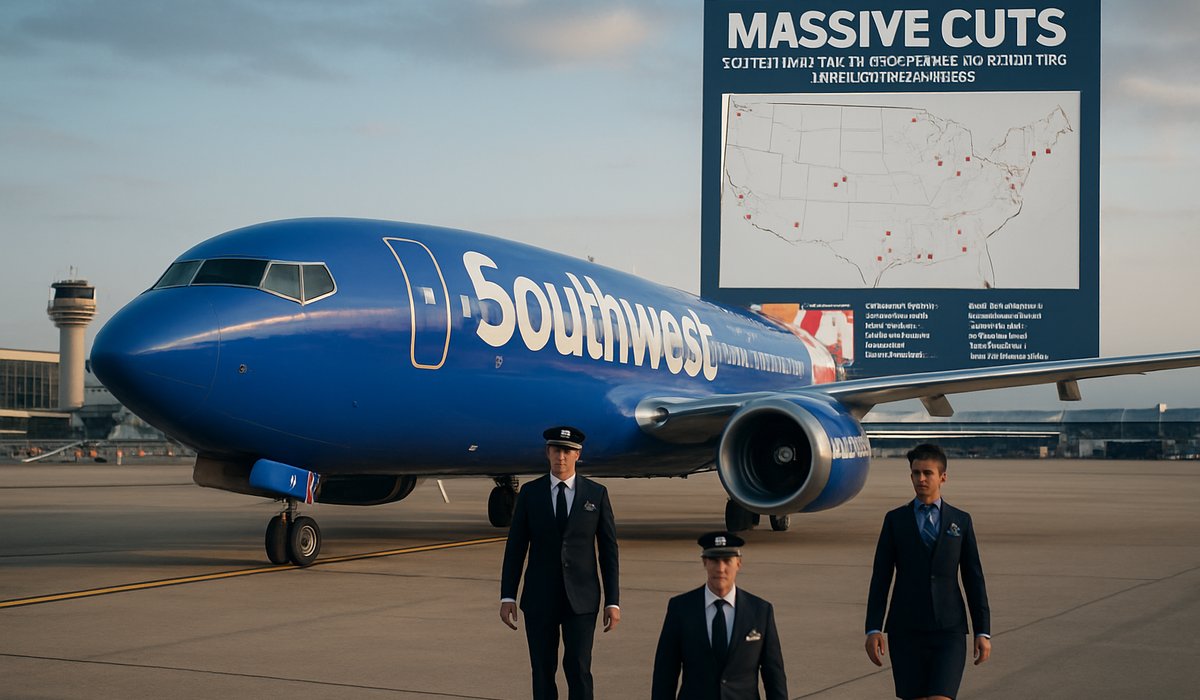
Image generated by AI
Southwest Airlines Slashes 26 Routes from Atlanta Hub in Strategic Retreat from Competitive Market
The carrier's pullback from America's busiest airport signals mounting pressure on regional aviation networks as industry consolidation accelerates
Southwest's Dramatic Exit from Atlanta
Southwest Airlines is making a significant strategic withdrawal from Hartsfield-Jackson Atlanta International Airport, discontinuing 26 routes from the nation's busiest aviation hub. The decision underscores intensifying competitive pressures and shifting operational priorities within the airline industry, where carriers are increasingly scrutinizing unprofitable regional networks.
The move marks a notable shift in Southwest's footprint at ATL, which annually processes more passenger traffic than any other airport globally. Despite the volume opportunity, the Dallas-based carrier has determined that maintaining its current service level from Atlanta no longer aligns with its financial objectives—a calculation facing numerous airlines as they navigate elevated jet fuel prices and evolving consumer demand patterns.
The Challenge of Competing at America's Busiest Airport
Atlanta's status as the world's leading airport by passenger volume creates paradoxical market conditions. While the sheer scale of traffic presents substantial revenue opportunities, the concentration of carriers competing for market share has created an increasingly challenging environment for profitability.
Southwest's decision reflects a broader industry trend toward route rationalization. The carrier joins other major operators in reassessing their network strategies, particularly on regional connections where legacy carriers and low-cost competitors have already established strong competitive positions. Atlanta's entrenched airline presence, dominated by Delta Air Lines' massive hub operations, creates headwinds for rivals seeking to establish meaningful market penetration.
Broader Industry Context
The pullback arrives amid persistent aviation industry headwinds, including volatile jet fuel expenses that continue pressuring airline margins. Additionally, competitive baggage fee structures and ancillary revenue models have shifted how carriers evaluate route profitability—factors that disproportionately affect regional networks with thinner margins.
Southwest's retreat suggests that even carriers with strong domestic brand recognition are reassessing portfolio efficiency. The decision likely means reduced service options for passengers on affected routes, potentially forcing travelers toward competing carriers or higher-priced alternative connections.
Financial analysts note that such consolidation in regional aviation contributes to broader capacity constraints, which could translate into sustained upward pressure on airline ticket prices across competitive markets.
Frequently Asked Questions
What routes is Southwest Airlines eliminating from Atlanta? Southwest is discontinuing service on 26 routes departing from Hartsfield-Jackson Atlanta International Airport, though specific destination cities have not been detailed in carrier announcements.
Why is Southwest reducing its Atlanta presence? The carrier cited intense competitive pressure at the airport and concerns about route profitability as primary factors driving the operational restructuring.
How will this affect airline ticket prices and baggage fees? Reduced competition on affected routes typically enables remaining carriers to implement higher ticket pricing and baggage charges, increasing overall travel costs for consumers.
Which airlines dominate Atlanta's aviation market? Delta Air Lines operates the largest hub at ATL, controlling significant market share and making it difficult for competing carriers to achieve profitability.
What do these route cuts signal about the aviation industry's future? The pullback reflects an industry-wide trend toward network consolidation, suggesting that regional routes and secondary markets may face ongoing capacity reductions as carriers focus on higher-margin operations.
Related Travel Guides
External Resources
Disclaimer
This article is for informational and educational purposes only. It does not constitute legal, financial, or professional advice. While we strive to provide accurate and up-to-date information, travel policies, regulations, and conditions change rapidly. Always verify information with official sources before making travel decisions. Nomad Lawyer makes no representations about the accuracy, reliability, completeness, or suitability of the information provided. Readers should consult qualified professionals for advice specific to their circumstances. The views expressed in this article are those of the author and do not necessarily reflect the views of Nomad Lawyer.
Kunal K Choudhary
Co-Founder & Contributor
A passionate traveller and tech enthusiast. Kunal contributes to the vision and growth of Nomad Lawyer, bringing fresh perspectives and driving the community forward.
Learn more about our team →