Mammoth Lakes and Eastern Sierra 2026: Year-Round United Flights and Backcountry Travel Guide

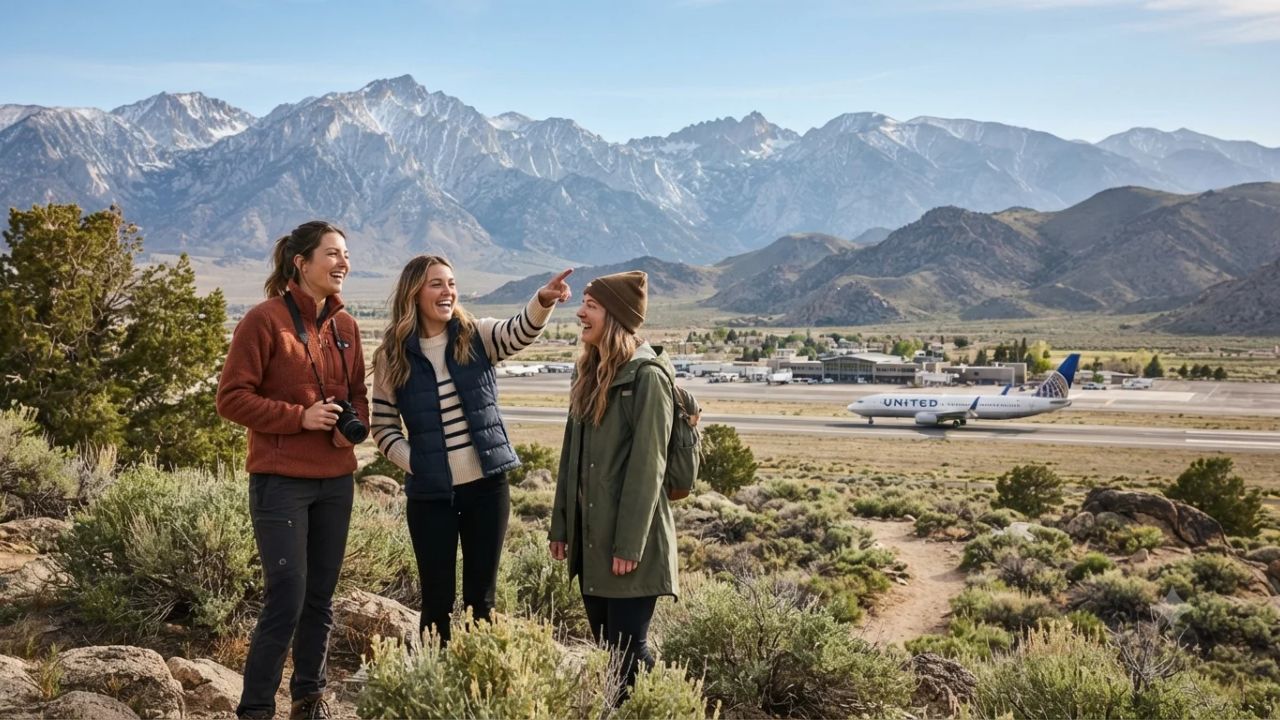
While getting to California's Eastern Sierra historically required a daunting six-hour drive through high desert mountain passes or waiting for seasonal winter ski charters, United Airlines now connects San Francisco directly to Bishop year-round. With flights operating four days weekly during spring and autumn, expanding to daily departures in summer and winter, Eastern Sierra Regional Airport (BIH) in Bishop gives outdoor adventurers uninterrupted four-season access to Mammoth Mountain, the Ansel Adams Wilderness, and the eastern gateway of the High Sierra.
This permanent scheduling upgrade follows collaborative negotiations led by the Eastern Sierra Air Alliance (ESAA)—a coalition uniting Mammoth Lakes Tourism, the Town of Mammoth Lakes, Inyo County, Mammoth Mountain, the City of Bishop, and the Bishop Chamber of Commerce. Supported by daily winter flights between Bishop and Denver International Airport (DEN), the expanded aviation corridor eliminates traditional shoulder-season isolation, unlocking world-class bouldering, alpine fishing, and golden autumn aspen viewing.
Unpacking the Four-Season Aviation Expansion
The transition from a seasonal ski charter to permanent commercial air service addresses documented traveler demand across California and regional outbound hubs. According to 2025 data from the US Department of Transportation cited by regional authorities, inbound visitors accounted for 66% of all passenger traffic at Bishop (BIH), while local residents represented 31%, and other travelers made up the remaining 3%.
Crucially, the survey revealed that approximately 60% of surveyed travelers pledged to fly more frequently if guaranteed reliable, four-season connectivity. Under the leadership of Brian Wright, President and CEO of Mammoth Lakes Official Tourism Bureau, regional leaders structured the flight calendar to mirror natural seasonal demand:
- Spring and Autumn Schedules: Four flights per week connecting Bishop (BIH) and San Francisco International Airport (SFO), catering to spring fly-fishing openers, shoulder-season climbers, and autumn foliage road trips along Highway 395.
- Summer and Winter Schedules: Daily nonstop service between BIH and SFO, providing seamless connectivity during peak ski season and alpine hiking months.
- Winter Hub Connectivity to Denver (DEN): Daily winter flights linking Bishop to United's major Rocky Mountain hub in Denver, providing smooth single-layover access for East Coast and international alpine skiers.
By securing dependable air access in partnership with Visit California Official Tourism Portal, the Eastern Sierra transforms from a remote alpine enclave into an accessible year-round eco-adventure destination.
What Makes the Eastern Sierra Transit Experience Different
Unlike western Sierra destinations that draw heavy congestion from Central Valley corridors, the Eastern Sierra rises abruptly from the Owens Valley desert floor to 14,000-foot granite peaks along the dramatic Sierra Nevada escarpment.
Landing at Bishop's Eastern Sierra Regional Airport provides an entirely different arrival experience than arriving at typical commercial hubs:
- Visual Approach Over Owens Valley: Flights descend through the broad Owens Valley basin between the snow-capped White Mountains to the east and the jagged Sierra Nevada crest to the west, offering sweeping aerial views of Mount Tom and the Wheeler Crest.
- Gateway to Dual Mountain Zones: Bishop sits at an elevation of 4,150 feet in high desert terrain, allowing travelers to land in mild valley weather before making the scenic 45-minute drive north along Highway 395 to Mammoth Lakes at 7,880 feet.
- Unrivaled Access to Wilderness Corridors: Bishop serves as the direct launchpad for the Buttermilk Boulders, the steep granite walls of the Owens River Gorge, and the eastern access roads leading to trailheads in National Park Service Yosemite via Tioga Pass during open summer months.
This distinct geographic contrast allows visitors to climb world-class granite boulders in warm valley sunshine during the morning and carve turns down Mammoth Mountain's summit bowl in deep powder by the afternoon.
Visitor Insider Tips
Maximizing a trip via Bishop and Mammoth Lakes requires tactical seasonal planning and localized transit strategies.
- Managing the 45-Mile Transit from Bishop to Mammoth Lakes: Rental car counters operate directly inside the Bishop terminal (BIH), but vehicle inventory is limited during peak winter snowstorms. Reserve four-wheel-drive or all-wheel-drive rental vehicles months in advance. Alternatively, book the Eastern Sierra Transit Authority (ESTA) Route 395 intercity bus service, which provides scheduled transfers between downtown Bishop and the Mammoth Lakes transit hub.
- Autumn Aspen Viewing Windows: Visit between the final week of September and mid-October. Use Bishop as your base to drive up Highway 168 into Bishop Creek Canyon, exploring North Lake, South Lake, and Lake Sabrina when the golden canopies peak. Arrive at North Lake before 7:00 AM on autumn weekends to avoid parking restrictions along the narrow dirt access road.
- Acclimatization Strategy for High Elevation: Bishop sits at roughly 4,100 feet, while Mammoth Lakes village begins at nearly 8,000 feet, with ski lifts topping out over 11,000 feet. Spend your first night dining and lodging in Bishop to help your body adjust to the elevation before ascending to alpine resort lodging.
- Local Culinary Stops in Bishop: Stop at the iconic Erick Schat's Bakery on Main Street in Bishop for fresh Dutch crunch bread and sheep herder loaves. For dinner, visit the Mountain Rambler Brewery for craft ales brewed with Sierra snowmelt paired with savory empanadas.
- Shoulder-Season Gear Preparation: Spring (April to May) and autumn (October to November) present rapid temperature fluctuations. Pack microspikes for icy morning trailheads, high-SPF sunscreen for reflective alpine snow, and thermal base layers for chilly desert evenings.
Cultural and Environmental Context
The Eastern Sierra represents a delicate ecological and cultural crossroads. The Owens Valley (known historically as Payahuunadü, "the land of flowing water") is the ancestral homeland of the Bishop Paiute Tribe and Big Pine Paiute Tribe. Respecting Indigenous heritage means honoring cultural sites, staying on established pathways, and visiting the Owens Valley Paiute-Shoshone Cultural Center in Bishop.
Water rights and conservation remain defining regional issues, stemming from the historic diversion of the Owens River to Southern California. Responsible travelers practice Leave No Trace principles, pack out all waste from primitive backcountry hot springs like Buckeye and Wild Willy's, and respect fire restrictions during California's dry summer and autumn months.
Year-round air connectivity helps sustain small, independently owned mountain businesses through traditional shoulder seasons. By supporting family-run gear shops, local fishing guides, and regional restaurants across Bishop and Inyo County, visitors help build a resilient and sustainable mountain economy.
FAQ: Visiting Mammoth Lakes and Bishop 2026
How far is Eastern Sierra Regional Airport (BIH) from Mammoth Lakes?
Bishop Airport is located approximately 45 miles south of Mammoth Lakes, taking about 45 to 50 minutes along scenic US Highway 395.
Which airlines fly into Bishop, California?
United Airlines operates commercial passenger service to Bishop (BIH), connecting year-round to San Francisco (SFO) and seasonally in winter to Denver (DEN).
What is the flight frequency between Bishop and San Francisco?
Flights operate four days weekly during spring and autumn, increasing to daily nonstop round trips during the summer and winter seasons.
Do I need a four-wheel-drive vehicle when landing at Bishop in winter?
Yes. If you plan to drive north to Mammoth Lakes during winter snowstorms, Caltrans frequently enforces mandatory tire chain or 4WD/AWD snow tire requirements on Highway 395.
Stepping off the runway directly into the shadow of the Eastern Sierra transforms a once-arduous overland trek into an effortless alpine escape.
Related Travel Guides
This article is for informational purposes. Flight routes, passenger regulations, visa rules, and transit advisories are subject to change by airlines and aviation authorities. Readers are advised to verify schedules and travel documentation with relevant carriers and border agencies before departure.
Related Stories

Ayodhya Deepotsav 2026 Logistics Guide: Attending the 30 Lakh Lamp Festival in India

WTM London 2026: AI Booking Shifts and Global Tourism Growth Forecasts for 1.57 Billion Arrivals