
Malaysia Enthralls GCC Travelers with Festival Kuala Lumpur 2026 as Global Energy Crisis and Strait of Hormuz Tensions Force Strategic Shift Toward Halal Resilience: How Saudi Arabia and UAE Stability Anchors Southeast Asian Hub Growth Amid US-Iran Conflict
Malaysia is captivating GCC travelers with Festival Kuala Lumpur 2026 and the Mega Sale season, surmounting the global energy crisis and Strait of Hormuz tensions through halal resilience.

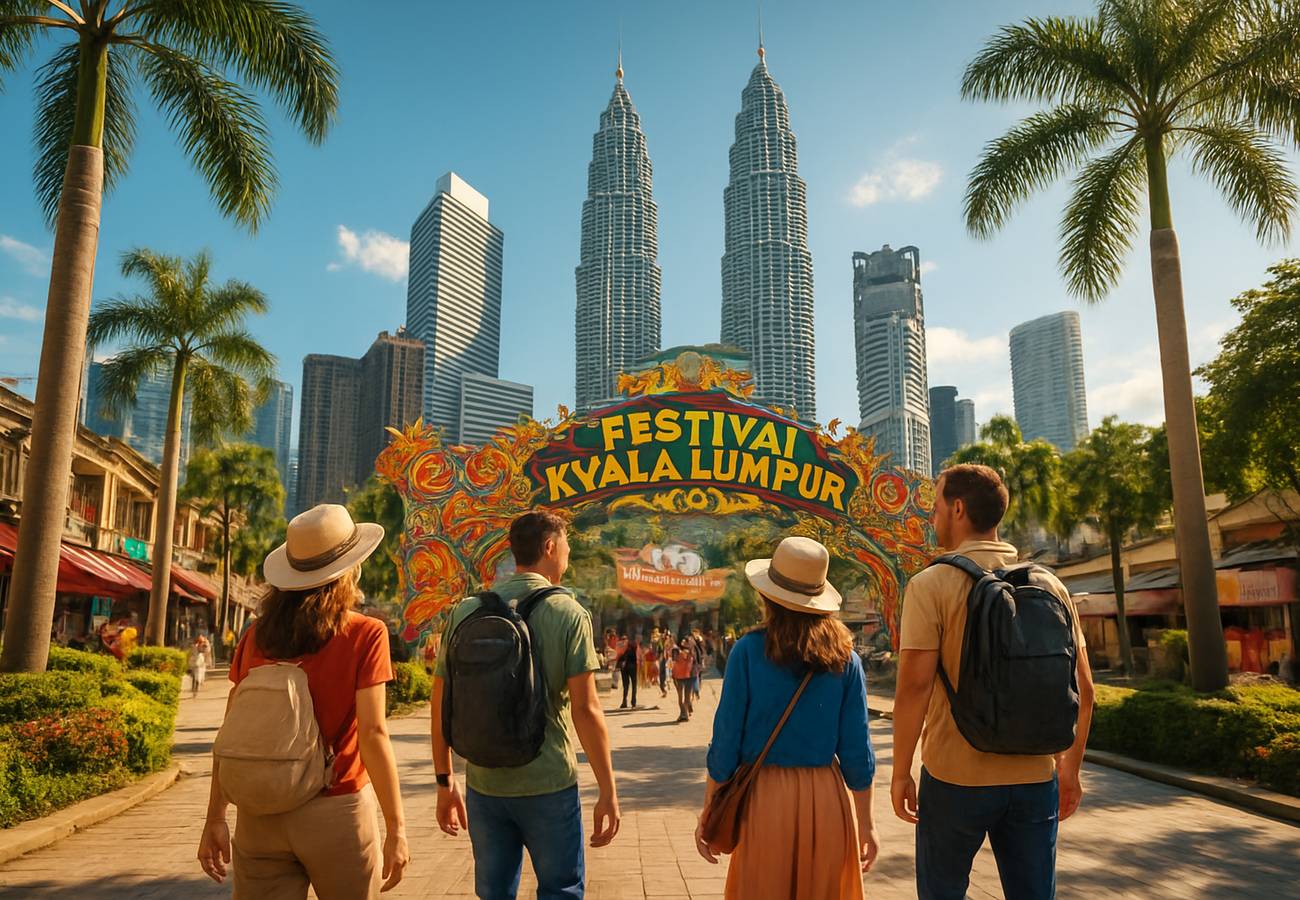
Image generated by AI
Quick Summary
- Cultural Surge: Malaysia is set to enthrall GCC travelers in 2026 with the launch of Festival Kuala Lumpur 2026 and a massive Mega Sale Season, positioning the nation as a premier Eid al-Adha destination.
- Halal Hardening: The surge surmounts the global energy crisis precisely as Strait of Hormuz tensions and the US-Iran conflict drive oil prices to record highs, inflating the cost of travel and luxury logistics.
- Gulf Anchor: Saudi Arabia, the UAE, and Qatar are facilitating the energy stability required for Southeast Asian hubs like Kuala Lumpur to maintain infrastructure and hospitality resilience.
- Event Scale: The festival features 80 events across 25 locations, while the Malaysia Mega Sale (June 15 - July 31) offers unmatched retail deals during the 2026 oil shock.
- Strategic Lead: The Kuala Lumpur International Mobility Show and Perak Multisport Festival are surmounting maritime shipping disruptions through high-efficiency localized programming.
- Source: Tourism Malaysia Strategic Report and GCC Market Development Bulletin, May 8, 2026.
KUALA LUMPUR, MALAYSIA — In a monumental test of "Halal Resilience" at the heart of the Southeast Asian cultural economy, Malaysia is currently witnessing an unprecedented surge from the GCC (Gulf Cooperation Council) market. According to breaking reports released on May 8, 2026, the nation has unveiled a dazzling lineup of events, centered around the highly anticipated Festival Kuala Lumpur 2026. This development is being analyzed by senior global affairs and energy journalists as a "Sovereign Cultural" response, occurring precisely as Strait of Hormuz tensions and a severe US-Iran conflict drive oil prices to record highs, forcing travelers to surmount the risks of maritime volatility and record-high energy costs.
Expanded Overview: The "Festival KL 2026" Resilience Ripple
The scale of Malaysia’s appeal to the Gulf market has reached a critical peak in 2026. The month-long Festival Kuala Lumpur 2026 (May 6-31) features over 80 events across 25 locations, showcasing immersive art, music, and community activities. By surmounting the "Resourceful Risk" of the 2026 economic climate, Malaysia is successfully positioning itself as the ideal destination for the Eid al-Adha period. This shift toward "Event-Driven Halal Tourism" is a strategic hedge, occurring precisely as the global energy crisis makes international travel more expensive due to record-high jet fuel costs and logistical bottlenecks.
Geopolitical Context: Surmounting the Strait of Hormuz and the Southeast Asian Shield
The broader geopolitical landscape in 2026 has been dominated by the standoff in the Strait of Hormuz. As Saudi Arabia, the UAE, and Qatar work to stabilize global energy flows, the reliability of Southeast Asian infrastructure and aviation corridors has become the ultimate benchmark for industry health. The US-Iran conflict has created a "geopolitical tax" on every international flight and logistical shipment, making "High-Value Cultural Hubs" a vital strategic asset. By maintaining growth despite the delays in global logistics, Malaysia is surmounting the threat of a "Supply Chain Blockade," ensuring that the nation remains a "stable sanctuary" for travel even as Gulf tensions overshadow the global maritime sector.
Global Energy Impact: The Halal Hedge Against Record Oil Prices
Rising oil prices have fundamentally redrawn the hospitality budget for 2026.
- Logistics Surcharge: The cost of powering Malaysia’s massive infrastructure projects and maintaining luxury retail districts has spiked by 25% due to the global energy crisis, making "Experience Efficiency" a vital economic tool for Tourism Malaysia.
- Strategic Advantage: Malaysia’s transport and energy sectors are benefiting from the energy stability provided by Saudi Arabia and the UAE, which act as the primary energy anchor for the fuels required to keep the "beating heart of Southeast Asian connectivity" moving.
Shipping and Trade Impact: Bypassing the Maritime Safety Squeeze
The ongoing shipping disruption in global trade routes has made the import of physical luxury goods and the movement of physical trade through the Malacca Strait more expensive.
- Retail Dominance: Malaysia is surmounting these delays through a shift toward "Localized Mega Sales" and aggressive investment in the Malaysia Mega Sale (June 15 - July 31), ensuring that the energy of the 2026 season is not lost to maritime bottlenecks.
- Operational Self-Sufficiency: The focus on local art installations and community engagement ensures that the industry maintains a "world-class" standard of stewardship, surmounting the record-high insurance premiums currently hitting the global trade sector.
Regional Impact: Kuala Lumpur, Penang, and the Retail Buffer
The fallout from the 2026 energy crisis is being countered by an unprecedented focus on family-friendly attractions and high-end shopping.
- KL International Mobility Show: This prestigious event (June 12-21) showcases the latest innovations in transportation, surmounting the "Resourceful Risk" of 2026 through technological hardening.
- Perak Multisport Festival: The focus on sports and heritage provides a "Safety Buffer" for the hospitality and retail sectors, ensuring that the Malaysian market remains economically viable even during periods of global transit friction.
Industry / Expert Analysis: The Move Toward "Consolidated Sovereign Halal Resilience"
Logistics and tourism analysts suggest that the rise of Malaysia in the GCC market is a "Masterclass in Economic Hardening." In an era where the global energy crisis makes every international movement an investment, the focus on "Halal-Certified Luxury" and "Massive Shopping Incentives" is the only logical path. By integrating cultural conservation with "Safe-Route" regional logistics, the industry is surmounting the logistical fatigue of 2026, ensuring that the Malaysian gateway remains a "world-class" standard for travelers who refuse to compromise on tradition.
What Happens Next: Toward a 2026 Southeast Asian Stability
Following the May 8 report, several key developments are anticipated:
- Infrastructure Hardening: Implementation of advanced mobility systems to surmount the "Resourceful Risk" of 2026.
- Marketing Pivot: Rapid rollout of the "Mega Sale" and "Festival KL" campaigns to further surmount the Strait of Hormuz volatility.
- Global Positioning: The nation is expected to adopt the "Halal Resilience Model" as it surmounts the geopolitical tax of the 2026 season.
Conclusion: Reinforcing the Southeast Asian Anchor Amid Global Risk
The dazzling lineup of events in Malaysia is a testament to the power of "Resourceful Resilience" in a world of shipping disruptions and oil price volatility. By surmounting the challenges of the global energy crisis and the geopolitical shadow of the Strait of Hormuz, Malaysia is proving that it is the ultimate "Operational Anchor." As the world watches the Middle East, the message from Kuala Lumpur is clear: the towers are bright, the malls are ready, and the progress is strictly protected.
Key Takeaways: Malaysia GCC Tourism 2026
- Alert: Festival Kuala Lumpur 2026 (May 6-31) and Malaysia Mega Sale (June 15 - July 31).
- Strategic Hub: 80 events across 25 locations including mobility and sports festivals.
- Geopolitics: Strait of Hormuz tensions and US-Iran conflict driving the shift to halal resilience.
- Gulf Role: Saudi Arabia, UAE, and Qatar stabilizing the Southeast Asian energy anchor.
- Impact: Mega Sales and cultural events to surmount maritime shipping disruptions.
- Outlook: Malaysia to remain a top choice for GCC travelers seeking festive and immersive travel despite global energy volatility.
Related Tourism Reports
Disclaimer
This article is for informational and educational purposes only. It does not constitute legal, financial, or professional advice. While we strive to provide accurate and up-to-date information, travel policies, regulations, and conditions change rapidly. Always verify information with official sources before making travel decisions. Nomad Lawyer makes no representations about the accuracy, reliability, completeness, or suitability of the information provided. Readers should consult qualified professionals for advice specific to their circumstances. The views expressed in this article are those of the author and do not necessarily reflect the views of Nomad Lawyer.
Kunal K Choudhary
Co-Founder & Contributor
A passionate traveller and tech enthusiast. Kunal contributes to the vision and growth of Nomad Lawyer, bringing fresh perspectives and driving the community forward.
Learn more about our team →