
Malaysia Aviation Group Shifts to Resilience Model After Massive Disruptions
Malaysia Aviation Group (MAG) implements a resilience-first strategy to restore passenger confidence following massive f

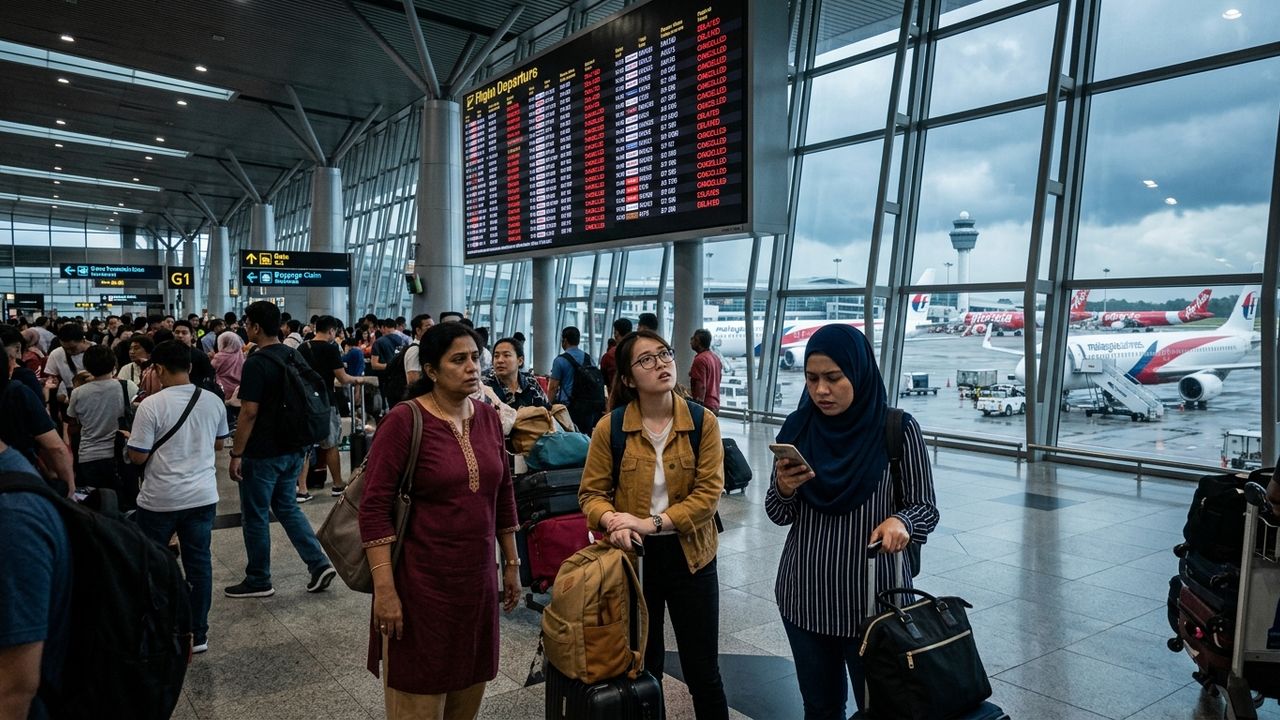
Image generated by AI
Malaysia Aviation Group (MAG) is pivoting from reactive crisis management to a long-term stability framework following the cancellation of 10,000 flights. The move aims to restore passenger confidence and insulate the carrier from systemic global aviation shocks.
The Core Development
Malaysia Aviation Group is overhaulng its operational philosophy. After a period of extreme instability that impacted over one million passengers, the group has acknowledged that disruption is now a permanent fixture of the aviation landscape.
The new strategy prioritizes "resilience over expansion," focusing on workforce agility, fuel risk mitigation, and revenue diversification to prevent a repeat of the operational collapses seen in late 2024.
Key Facts Breakdown
- Operational Impact: Over 10,000 flights were cancelled in a single quarter, affecting 1 million+ passengers.
- Workforce Investment: Continuous training for 15,000 employees, focusing on rapid decision-making and crisis leadership.
- Fuel Vulnerability: Fuel represents roughly 30% of total operating costs; a $1 per barrel increase adds RM51 million to annual expenses.
- Financial Constraints: The industry is operating on razor-thin profit margins of approximately 1.4%.
- Risk Mitigation: MAG has hedged 36% of its fuel requirements for 2026 to stabilize budgeting.
- Revenue Diversification: Expansion into Cargo, Maintenance, Repair, and Overhaul (MRO) services to reduce reliance on passenger traffic.
Financial & Operational Data
| Metric | Value / Impact |
|---|---|
| Total Flight Cancellations | 10,000+ (Single Quarter) |
| Passengers Affected | 1,000,000+ |
| Average Profit Margin | 1.4% |
| Fuel Cost Contribution | ~30% of total operating costs |
| Fuel Price Sensitivity | +RM51M per $1/barrel increase |
| 2026 Fuel Hedge | 36% |
Why This Matters
Industry observers note that MAG’s shift represents a fundamental change in how national carriers view "stability." By moving away from the traditional growth-centric model, MAG is admitting that the global supply chain for aircraft parts and the volatility of energy markets are now beyond the control of individual airlines.
The decision to diversify into MRO and Cargo is a strategic hedge. It transforms the airline from a simple transport provider into a broader aviation services entity, ensuring that if passenger demand craters or operational disruptions spike, the group maintains a non-correlated revenue stream.
Industry Outlook
Expect a trend toward "networked resilience" in the Asian market. MAG’s emphasis on collaboration with regulators and manufacturers suggests a move toward shared recovery planning. Future success will likely depend on the speed of MRO turnaround times and the effectiveness of the 15,000-strong workforce in executing real-time rerouting, rather than simply adding new destinations to the map.
Related Travel Guides
Disclaimer
This article is for informational and educational purposes only. It does not constitute legal, financial, or professional advice. While we strive to provide accurate and up-to-date information, travel policies, regulations, and conditions change rapidly. Always verify information with official sources before making travel decisions. Nomad Lawyer makes no representations about the accuracy, reliability, completeness, or suitability of the information provided. Readers should consult qualified professionals for advice specific to their circumstances. The views expressed in this article are those of the author and do not necessarily reflect the views of Nomad Lawyer.
Raushan Kumar
Founder & Lead Developer
Full-stack developer with 11+ years of experience and a passionate traveller. Raushan built Nomad Lawyer from the ground up with a vision to create the best travel and law experience on the web.
Learn more about our team →