
Madeira Trail Reopens April 2026 With One-Way Hiking Rules
Madeira's iconic PR1 Vereda do Areeiro trail reopens April 2026 after wildfire closure with new one-way restrictions, capacity limits, and higher fees reshaping high-altitude hiking access.

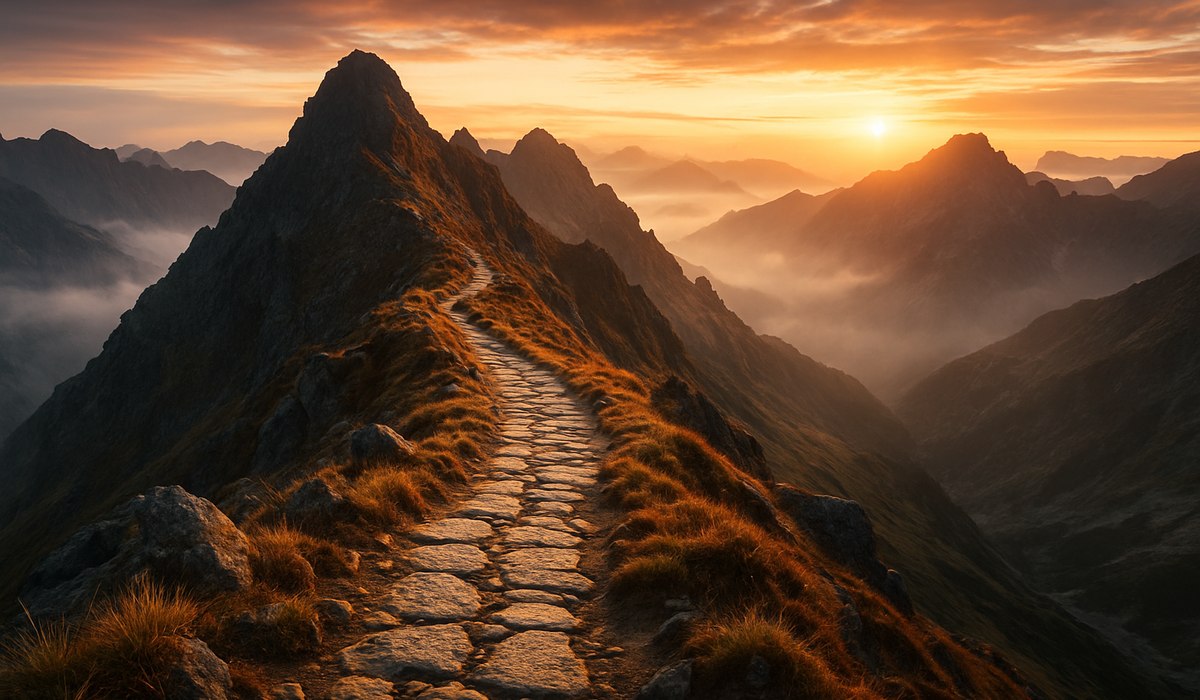
Image generated by AI
Madeira's Legendary Ridge Trail Reopens With Major Operational Changes
Madeira's iconic PR1 Vereda do Areeiro is reopening in April 2026 after a two-year closure following devastating wildfires and extensive safety reconstruction. The high-altitude ridge route connecting Pico do Arieiro and Pico Ruivo will return with significant operational changes, including one-way hiking restrictions, mandatory advance reservations, and increased entry fees. This reopening marks a turning point in how Europe's mountain destinations balance visitor demand with environmental recovery and trail resilience following natural disasters.
The madeira trail reopens as a transformed experience. Regional authorities have implemented new capacity management systems designed to protect the restored landscape while maintaining the hike's legendary status. Hikers planning to traverse this European crown jewel must now understand the new rules, booking requirements, and what to expect on the reimagined route.
A Landmark Reopening After Wildfire Damage and Safety Works
The PR1 Vereda do Areeiro remained closed since August 2024 when wildfires swept across Madeira's central mountain spine. Approximately 5,000 hectares of island terrain sustained fire damage, with multiple ridge segments facing severe rockfall hazards and erosion risks that required immediate intervention.
Madeira's conservation authorities undertook nearly two years of intensive restoration work. Recovery efforts included clearing burned vegetation from exposed slopes, constructing and reinforcing retaining walls throughout vulnerable sections, and meticulously restoring stone paving along the entire ridge traverse. Engineers secured loose rock faces and stabilized steep terrain where the fire had compromised structural integrity.
This madeira trail reopens as testament to systematic wildfire recovery planning. The complete high-altitude crossing from Pico do Arieiro to Pico Ruivo represents the culmination of comprehensive reconstruction rather than a simple reopening. The project demonstrates how Mediterranean mountain destinations address climate-related fire risks and implement long-term resilience strategies.
For context on Madeira's hiking landscape, explore the island's broader hiking trail network and seasonal conditions.
One-Way Hiking, Capacity Limits and Higher Fees
The reopened PR1 operates under an entirely new management framework that fundamentally changes the hiking experience. Trail authorities have designated this as a one-way route flowing exclusively from Pico do Arieiro to Pico Ruivo, eliminating bidirectional traffic that previously created congestion in narrow sections and exposed areas.
This one-way system directly addresses several operational challenges. The narrow ridge sections, carved volcanic rock tunnels, and exposed staircases proved problematic when hikers could move in both directions simultaneously. The transformation improves flow through bottlenecks, reduces dangerous overtaking situations on exposed ridgelines, and minimizes congestion during peak daylight hours.
Pricing reflects both the trail's international significance and recovery costs. The madeira trail reopens with a tiered fee structure: standard premium routes charge 4.50 euros, while PR1 commands 10.50 euros per hiker. This elevated rate acknowledges the recent reconstruction expenses, ongoing environmental monitoring requirements, and the route's status as Madeira's most celebrated alpine traverse.
Capacity management now requires advance online reservations. Hikers must book specific dates and time slots rather than arriving spontaneously at the trailhead. This system allocates limited daily permits based on the route's carrying capacity, preventing overcrowding during sunrise peaks and maintaining manageable visitor numbers throughout the high season.
The booking requirement represents a significant shift in how European alpine destinations approach visitor management. Similar systems have proven effective on high-demand routes across the Alps and other sensitive mountain regions where environmental protection balances with tourism access.
Managing Visitor Demand and Trail Resilience
Madeira's wildfire recovery has accelerated broader conversations about sustainable mountain tourism. The PR1 reopening functions as a case study in environmental recovery management, joining other protected routes at Pico do Arieiro and laurel forest zones experiencing rapid visitor growth.
The madeira trail reopens within a comprehensive framework addressing capacity constraints across the entire high mountain network. Annual visitor numbers to Madeira's alpine zones have grown dramatically, creating erosion and congestion pressures that wildfires have intensified. The new one-way system and booking requirement represent preventive measures against future damage.
Conservation authorities recognize that restricting access temporarily through advance reservations protects long-term sustainability. This approach prevents the trail degradation that unrestricted high-volume use typically produces on exposed alpine terrain. By managing daily visitor numbers, Madeira preserves the ridge's ecological integrity and maintains the quality of experience that attracts hikers internationally.
The implementation reflects lessons learned from alpine destinations worldwide. Switzerland, France, and Austria have adopted similar reservation systems on sensitive routes, demonstrating that capacity limits increase rather than decrease visitor satisfaction through improved experiences and reduced crowding.
For additional context on Mediterranean hiking challenges, review wildfire recovery impacts on European trails.
What Hikers Need to Know Before Planning
The core appeal of PR1 remains compelling despite operational changes. This ridge traverse links Madeira's highest summits through one of Europe's most dramatic alpine experiences. Volcanic rock tunnels, staircases carved into cliff faces, and panoramic views across cloud layers create an unforgettable day hike for prepared and experienced hikers.
Expect to allocate five to six and a half hours for the complete one-way traverse, depending on fitness level, photographic breaks, and weather delays. The profile combines steep continuous ascents and descents with mixed terrain ranging from paved sections to compacted dirt and exposed rock. Weather shifts rapidly at elevation, requiring layered clothing and substantial water supplies.
Essential preparation for the madeira trail reopens experience includes appropriate hiking boots with ankle support, lightweight layers adaptable to rapid temperature changes, and minimum two-liter water capacity. Sun protection, weatherproof outerwear, and a headlamp for early-morning or late-afternoon starts prove essential on exposed sections.
Many hiking operators have adjusted shuttle services to accommodate the one-way system. Traditional logistics now feature early-morning drop-offs at Pico do Arieiro with afternoon pickups near Pico Ruivo access points. This eliminates the previous requirement to double back along the ridge or arrange separate transportation logistics.
For hikers preferring shorter experiences, alternative routes to Pico Ruivo from Achada do Teixeira remain accessible without committing to the entire ridge traverse. These connections allow visitors to reach summit areas and experience alpine terrain through lower-commitment options that don't require the full PR1 booking.
Key Facts and Operational Details
| Aspect | Details |
|---|---|
| Trail Name | PR1 Vereda do Areeiro (Pico do Arieiro to Pico Ruivo) |
| Reopening Date | April 2026 |
| Closure Period | August 2024 – April 2026 (21 months) |
| Closure Reason | Wildfires and rockfall hazard mitigation |
| Affected Area | ~5,000 hectares of Madeira island terrain |
| Entry Fee | €10.50 per hiker (vs. €4.50 standard premium routes) |
| Booking System | Mandatory advance online reservations with daily capacity limits |
| Hiking Direction | One-way only (Pico do Arieiro → Pico Ruivo) |
| Estimated Duration | 5–6.5 hours depending on conditions and fitness |
| Elevation Range | 1,860–1,861 meters (ridge traverse between summits) |
| Primary Hazards | Exposed terrain, rapid weather shifts, slippery sections in wet conditions |
| ** |
Disclaimer
This article is for informational and educational purposes only. It does not constitute legal, financial, or professional advice. While we strive to provide accurate and up-to-date information, travel policies, regulations, and conditions change rapidly. Always verify information with official sources before making travel decisions. Nomad Lawyer makes no representations about the accuracy, reliability, completeness, or suitability of the information provided. Readers should consult qualified professionals for advice specific to their circumstances. The views expressed in this article are those of the author and do not necessarily reflect the views of Nomad Lawyer.
Raushan Kumar
Founder & Lead Developer
Full-stack developer with 11+ years of experience and a passionate traveller. Raushan built Nomad Lawyer from the ground up with a vision to create the best travel and law experience on the web.
Learn more about our team →