
Isles Scilly Residents Open Homes to Stranded Ferry Passengers
Nearly 100 ferry passengers stranded overnight on the Isles of Scilly after stormy seas halted service during peak travel season. Island residents rallied to provide emergency accommodation in homes and community spaces, showcasing remarkable community resilience.

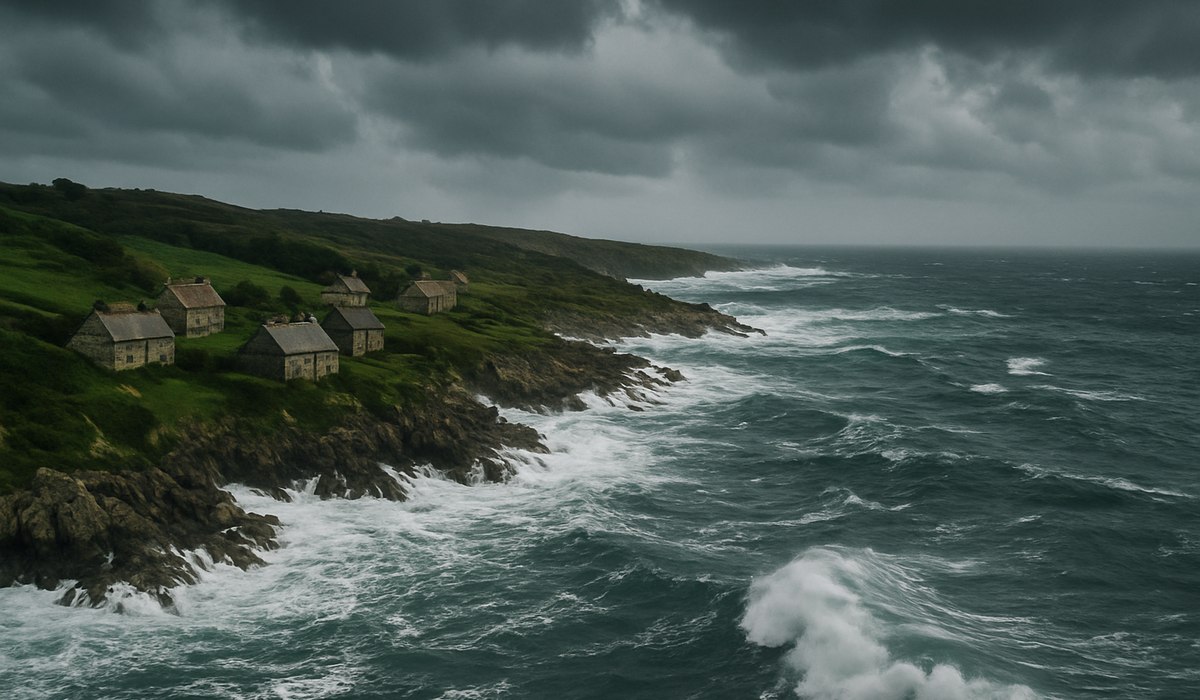
Image generated by AI
Community Spirit Saves Nearly 100 Stranded Passengers
Isles of Scilly residents opened their spare bedrooms, holiday lets, and community gathering spaces to 97 passengers left overnight without accommodation after stormy Atlantic conditions forced ferry cancellations during one of the archipelago's busiest travel periods. The Scillonian III passenger ferry couldn't complete its Wednesday evening crossing from St Mary's to Penzance, and continued rough seas prevented Thursday morning's early sailing as well. Island householders, business owners, and local organizations responded within hours, creating an informal but effective support network that prevented what could have been a genuine hospitality crisis.
Ferry Cancellations Leave Passengers Stranded During Peak Season
The Isles of Scilly Steamship Group operates the Scillonian III as the primary maritime link between the islands and mainland Cornwall. On April 29, severe weather in the approaches to Land's End forced the operator to cancel both the evening return crossing and the following morning's departure. The timing couldn't have been worse—the disruption coincided with the World Pilot Gig Championships, an annual rowing event drawing thousands of competitors and spectators to the islands.
"The service connects St Mary's with Penzance, carrying residents, seasonal workers, and tourists across one of Britain's most weather-sensitive sea routes," explains the Isles of Scilly Council. Ferry operations during this period typically run at full capacity, meaning accommodation across the islands was already heavily booked. The unexpected overnight stay created immediate pressure on an already-stretched hospitality sector. Hotel rooms and guest houses were fully reserved for championship participants, leaving stranded passengers facing the real possibility of sleeping in the ferry terminal or other unsuitable locations.
The Scillonian III's flat-bottomed hull design allows it to berth in shallow harbors but creates pronounced motion in rough seas, making cautious operational decisions inevitable when Atlantic swell combines with strong winds. Tidal currents around Land's End add to the crossing's inherent difficulty, particularly during peak travel season when weather forecasts shift unexpectedly.
Community Mobilizes to Provide Emergency Accommodation
Word spread quickly across St Mary's once residents understood the ferry wouldn't sail. Social media posts began circulating almost immediately, with islanders offering spare rooms, guest beds, couches, and communal spaces to stranded travelers. The response demonstrated the tight-knit character of island communities and their experience managing unexpected challenges.
Holiday-let owners who hadn't yet received their next guests opened properties at short notice. Local businesses provided temporary sleeping arrangements in community halls and public buildings. Residents took visitors directly into family homes, offering not just beds but meals and practical support. Travel accounts from stranded passengers consistently praised the warmth and generosity of island hosts, many of whom asked nothing in return.
The informal network extended beyond accommodation. Residents offered lifts to those needing transportation around the islands, provided information about ferry updates, and helped passengers navigate the uncertainty. This grassroots mobilization prevented what could have become a serious hospitality emergency and left many travelers with unexpectedly positive memories of island life.
Challenges of Island Connectivity During Weather Disruptions
This incident exposed the fragile nature of transportation links serving the Isles of Scilly. The archipelago relies heavily on a limited number of transport options, all vulnerable to Atlantic weather systems. The Scillonian III operates seasonally from March through autumn, while year-round Skybus flights provide an alternative that can itself face delays or cancellations during poor visibility or high winds.
The islands' remote location, approximately 28 miles southwest of Land's End, means weather-related disruptions have immediate and significant consequences. Unlike mainland destinations with multiple transportation alternatives, stranded passengers on Scilly face genuine challenges reaching accommodation, food, and other services. Single cancellations during peak periods cascade through the local economy and travel plans.
Future improvements remain on the drawing board. Proposed projects including the Scillonian IV and assessments of electric-hydrofoil technology could enhance reliability and resilience, but these developments remain years away. Currently, the islands depend on aging infrastructure that, while functional, cannot guarantee uninterrupted service during severe Atlantic weather. This vulnerability becomes particularly acute during major events like the World Pilot Gig Championships, when accommodation demand reaches annual peaks.
World Pilot Gig Championships Impact on Travel Demand
The World Pilot Gig Championships represents the busiest weekend of the year for Isles of Scilly residents. This annual event brings traditional six-oared pilot gig crews from across the United Kingdom and international competitors to St Mary's for rowing competitions rooted in maritime heritage. Thousands of participants, supporters, and officials typically converge on the islands, creating accommodation pressure months in advance.
Teams and supporters book accommodations sometimes a year ahead, knowing limited capacity fills rapidly. The championship period transforms the islands' hospitality sector into a fully-occupied operation with no spare capacity. When the ferry cancellations occurred just before the event, organizers faced rapidly-shifting logistics. Some competitors and supporters experienced delayed arrivals or forced changes to travel plans. Others, including those already on the islands, found themselves stranded exactly when they most needed to finalize event preparations.
Despite these challenges, the championships proceeded as scheduled. The community's emergency accommodation response allowed the event to move forward without major disruption. However, the incident raised questions about transport reliability during major events and whether existing infrastructure can adequately serve future championships without similar crises.
Key Facts About the Ferry Disruption
| Metric | Details |
|---|---|
| Passengers Stranded | 97 travelers without confirmed overnight accommodation |
| Ferry Service | Scillonian III, operated by Isles of Scilly Steamship Group |
| Route | St Mary's to Penzance, Cornwall |
| Days Affected | Wednesday evening sailing and Thursday morning departure both cancelled |
| Distance | Approximately 28 miles from Land's End |
| Peak Travel Period | World Pilot Gig Championships weekend |
| Community Response | Residents opened homes, holiday lets, and community spaces within hours |
| Weather Cause | Severe Atlantic swell and strong winds beyond safe operating conditions |
| Ferry Hull Type | Flat-bottomed design enabling shallow-harbor berthing but creating motion in rough seas |
| Seasonal Operation | March through autumn; Skybus flights provide year-round alternative |
What This Means for Travelers
The Isles of Scilly ferry disruption offers several important lessons for visitors planning trips to the archipelago.
-
Book Flexible Travel Plans: Always build extra time into Scilly itineraries. Weather disruptions happen regularly, particularly during winter and shoulder seasons. Consider flying as an alternative if you have tight onward connections or time-sensitive plans.
-
Understand Single-Transport-Link Risk: The ferry represents the primary affordable transport option, making weather-related cancellations significant. Multiple-day stays reduce disruption risk, and travel insurance covering weather delays is worth the investment.
-
Secure Accommodation Early: Book accommodations months ahead, especially if traveling during major events. Last-minute availability is extremely limited, and emergencies like ferry cancellations can eliminate spare capacity entirely.
-
Pack for Extended Stays: If stranded overnight unexpectedly, you'll want toiletries, medications, and a change of clothes in your carry-on luggage. This preparation prevents minor inconveniences from becoming crises.
-
Monitor Weather Forecasts Actively: Check shipping forecasts and weather updates throughout your journey. Early awareness of deteriorating conditions helps you make proactive decisions about travel timing.
-
Connect with Local Tourism: Contact the Isles of Scilly Tourism Board for real-time information about transport disruptions and accommodation availability.
Frequently Asked Questions
How often does the Scillonian III ferry get cancelled?
Ferry cancellations occur several times
Disclaimer
This article is for informational and educational purposes only. It does not constitute legal, financial, or professional advice. While we strive to provide accurate and up-to-date information, travel policies, regulations, and conditions change rapidly. Always verify information with official sources before making travel decisions. Nomad Lawyer makes no representations about the accuracy, reliability, completeness, or suitability of the information provided. Readers should consult qualified professionals for advice specific to their circumstances. The views expressed in this article are those of the author and do not necessarily reflect the views of Nomad Lawyer.
Preeti Gunjan
Contributor & Community Manager
A passionate traveller and community builder. Preeti helps grow the Nomad Lawyer community, fostering engagement and bringing the reader experience to life.
Learn more about our team →