
Machu Picchu Enforces Strict Visitor Caps as Peru Redirects Millions to Sacred Valley Alternatives in 2026
Peru's peak summer season triggers emergency visitor controls at Machu Picchu and Cusco. Permits sold out months ahead as authorities redirect travelers to alternative Sacred Valley routes.

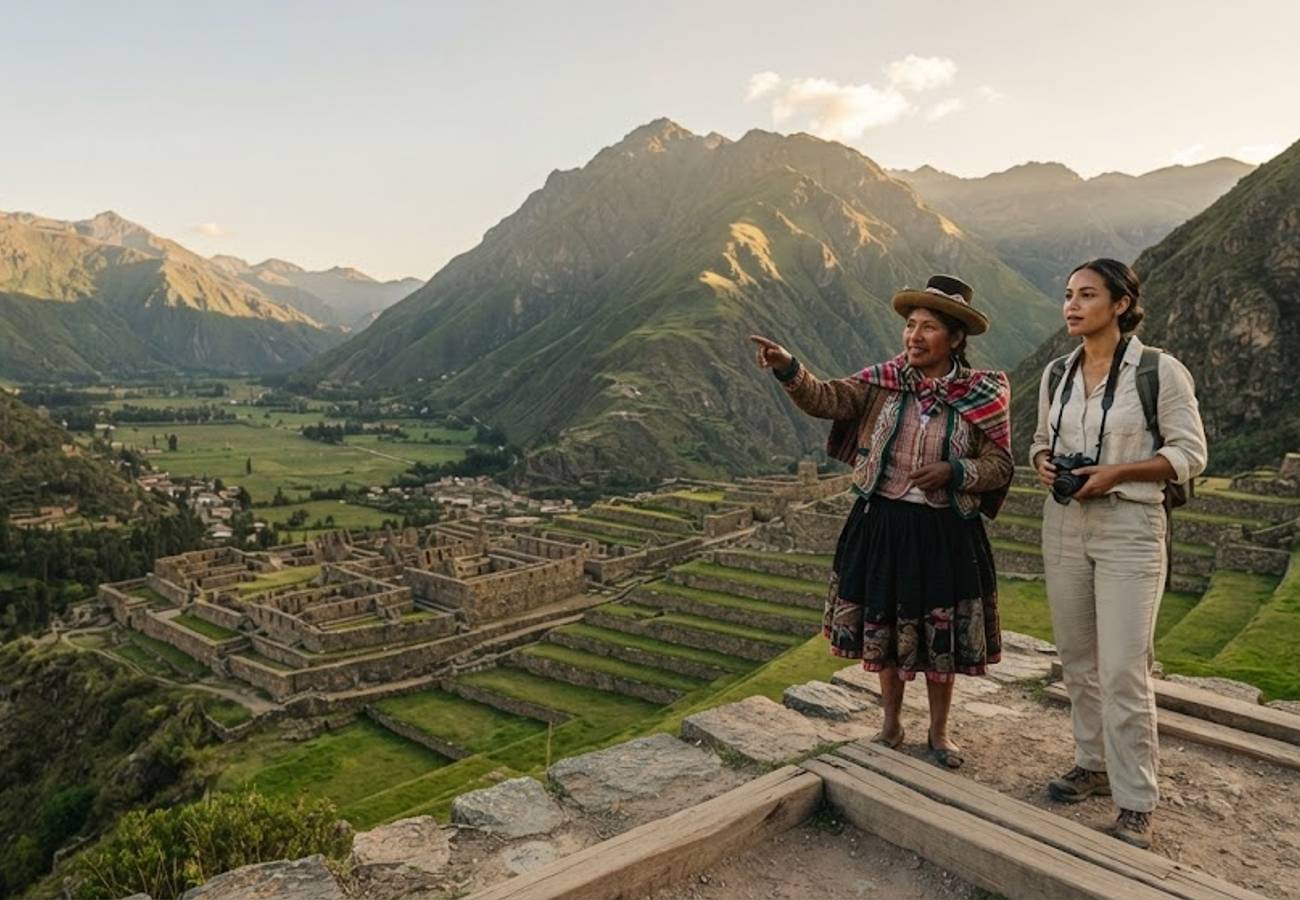
Image generated by AI
The Summer Surge: Machu Picchu Hits Maximum Capacity
Peru's iconic Machu Picchu is operating at full capacity this July as international demand collides with strict conservation limits. The UNESCO World Heritage Site has implemented rigorous daily visitor caps designed to protect the 15th-century citadel's fragile stone structures and terraces from the wear and tear of peak-season tourism.
What I found alarming: permits for the most coveted time slots are now being sold out 4-6 months in advance. Travelers arriving without advance reservations are facing near-impossible odds of securing same-week entry.
Reddit: "Showed up in July without a permit. Completely shut out. Had to pivot to Ollantaytambo and the Salkantay Trek instead—honestly better experience." — r/travel
Circuit System: How Peru Controls the Flow
Peru's Ministry of Culture manages visitor access through a sophisticated circuit-based allocation system. Rather than allowing free roaming, each visitor receives a designated route ticket that dictates exactly which pathways, viewpoints, and archaeological zones they can access during their allocated time window.
The system is ruthlessly effective at crowd management. Peak circuits—particularly those offering the famous sunrise views over the ancient terraces—fill up months before the dry season even begins.
This structured approach to heritage site management reflects growing global pressure on iconic destinations to balance tourism revenue with preservation imperatives.
The Advance Booking Reality
Spontaneity is dead at Machu Picchu. Tour operators across Cusco and Aguas Calientes now counsel travelers to secure permits before purchasing airfare.
Essential bookings required 3-6 months ahead:
- Machu Picchu entry tickets (specific circuits)
- Inca Trail permits (4-person daily limit groups)
- Rail services on Peruvian Railways
- Guided excursion reservations
- Mountain access permits for alternative peaks
- Accommodation in gateway towns
Missing this timeline means pivoting to Plan B—and that's increasingly a feature, not a bug.
Sacred Valley: The Overlooked Goldmine
As Machu Picchu chokes with demand, Peru's broader Sacred Valley is finally receiving the tourism attention it deserves. The valley stretches across multiple Andean communities and contains dozens of archaeological sites, many sitting virtually empty while travelers queue for hours at the main attraction.
I visited Ollantaytambo last season and encountered perhaps 200 visitors across the entire fortress complex—versus the 4,000+ daily at Machu Picchu. The contrast is staggering.
Alternative destinations now gaining serious traction:
- Pisac: Dramatic clifftop terraces with archaeological museums
- Urubamba: Gateway town for Sacred Valley hikes
- Ollantaytambo: Incan military fortress with minimal crowds
- Community tourism experiences: Direct village engagement programs
- Sacred Valley hiking circuits: Multi-day treks bypassing Inca Trail entirely
These sites distribute visitor volume across the region while channeling tourism revenue to local communities historically dependent on Machu Picchu overflow traffic.
Inca Trail Permits: The Most Competitive Trek in South America
The world-famous Inca Trail remains locked behind an even tighter permit system. Authorities limit daily trekker groups to approximately 500 people (divided among multiple guide companies), making it statistically harder to secure than slots at many Ivy League universities.
Peak-season permits sell out by April. Missing that window? Alternative Andean treks are stepping up.
Rising alternatives include:
- Salkantay Trek (5 days, comparable views, 40% fewer trekkers)
- Lares Trek (4 days, authentic village interaction)
- Inca Quarry Trail (2 days, technical but accessible)
- Vilcabamba Trek (multi-day, historically significant)
Trekking guides report a 35% shift in bookings toward these alternatives since 2024.
The Economics of Redistribution
Here's what's fascinating: the visitor diversion strategy is actually working economically. Communities throughout the Sacred Valley are experiencing unprecedented tourism infrastructure investment.
Local stakeholders benefiting from redistribution:
- Accommodation providers in smaller towns (occupancy rates up 40%)
- Artisan markets and craft cooperatives
- Community-run tourism initiatives
- Independent restaurants and cafes
- Adventure tourism operators (horseback, mountain biking)
- Cultural experience guides
The economic multiplier effect suggests that spreading visitors across 8-10 destinations generates more total revenue for local communities than concentrating all demand on Machu Picchu alone.
Sustainability as Strategy
Peru's visitor management policies aren't just bureaucratic—they're ideologically rooted in heritage preservation. The government continues prioritizing controlled growth over maximum extraction.
The calculus is straightforward: Machu Picchu's archaeological value is finite. Excessive foot traffic accelerates degradation of:
- Ancient stone pathways
- Original terrace agricultural systems
- Structural integrity of ceremonial buildings
- Fragile mountain ecosystems
- Access corridors for restoration work
By enforcing daily limits now, Peru protects tourism revenues for 100+ years rather than extracting maximum revenue today and facing closure due to damage.
The 2026 Demand Explosion
Despite capacity constraints, demand remains ferociously strong. International visitor numbers to the Cusco region are tracking 15-20% ahead of 2025 projections.
Travelers view the Sacred Valley not as Machu Picchu plus extras—but as a comprehensive Andean experience combining archaeology, gastronomy, trekking, and cultural immersion. The expansion of alternative attractions has actually lengthened average stay duration from 2.3 days to 4.7 days in the region.
The infrastructure response has been rapid. Private tour operators now offer 7-10 day Sacred Valley itineraries that barely touch Machu Picchu while remaining fully booked.
Planning Essentials for 2026-2027
If you're considering Peru travel, here's the ruthless reality:
Peak Season (June-August): Permits sell out by March-April. Book immediately.
Shoulder Season (April-May, September-October): More availability, still competitive. Book 8-10 weeks ahead.
Wet Season (November-March): Accessible permits available 4-6 weeks before travel. Cloud cover and occasional closures common.
The infrastructure and permits infrastructure across Peru has adapted to accommodate this influx, but advance planning remains non-negotiable. Flexibility and backup itineraries are essential.
FAQ: Your Burning Questions Answered
Q: Why are visitor limits so strict? A: Archaeological preservation. Machu Picchu's stone structures and terraces degrade with excessive foot traffic. Daily limits protect the site for future generations while maintaining revenue sustainability.
Q: How many visitors does Machu Picchu accept daily? A: Approximately 2,500-4,000 depending on circuit configuration and seasonal adjustments. Compare this to pre-2010 daily averages of 1,200.
Q: What if I can't get a permit? A: Explore Ollantaytambo, Pisac, and alternative treks. Honestly? You might have a better experience.
Q: How far ahead should I book? A: Peak season: 4-6 months. Shoulder season: 8-10 weeks. Wet season: 4-6 weeks.
Q: Are alternative sites worth visiting? A: Absolutely. Ollantaytambo and Pisac offer comparable archaeological significance with minimal crowds. The Salkantay Trek rivals Inca Trail in scenic value.
Key Dates for 2026-2027 Travel Planning
- March 2026: Peak season permits (June-August) sell out
- July 2026: Current full-capacity operations
- April 2027: Begin booking June-August 2027 permits
- November 2026-March 2027: Wet season accessibility window
Peru isn't blocking tourism—it's curating it.
Related Travel Guides
Disclaimer
This article is for informational and educational purposes only. It does not constitute legal, financial, or professional advice. While we strive to provide accurate and up-to-date information, travel policies, regulations, and conditions change rapidly. Always verify information with official sources before making travel decisions. Nomad Lawyer makes no representations about the accuracy, reliability, completeness, or suitability of the information provided. Readers should consult qualified professionals for advice specific to their circumstances. The views expressed in this article are those of the author and do not necessarily reflect the views of Nomad Lawyer.
Preeti Gunjan
Contributor & Community Manager
A passionate traveller and community builder. Preeti helps grow the Nomad Lawyer community, fostering engagement and bringing the reader experience to life.
Learn more about our team →