
Machu Picchu Demand Surges 369 Percent in 2026 as Peru Outpaces Lima, Cusco, and Puerto Maldonado
Peru tourism searches surge 369 percent, driving record demand for Machu Picchu over Lima and Cusco, with Chile and the US leading arrivals.

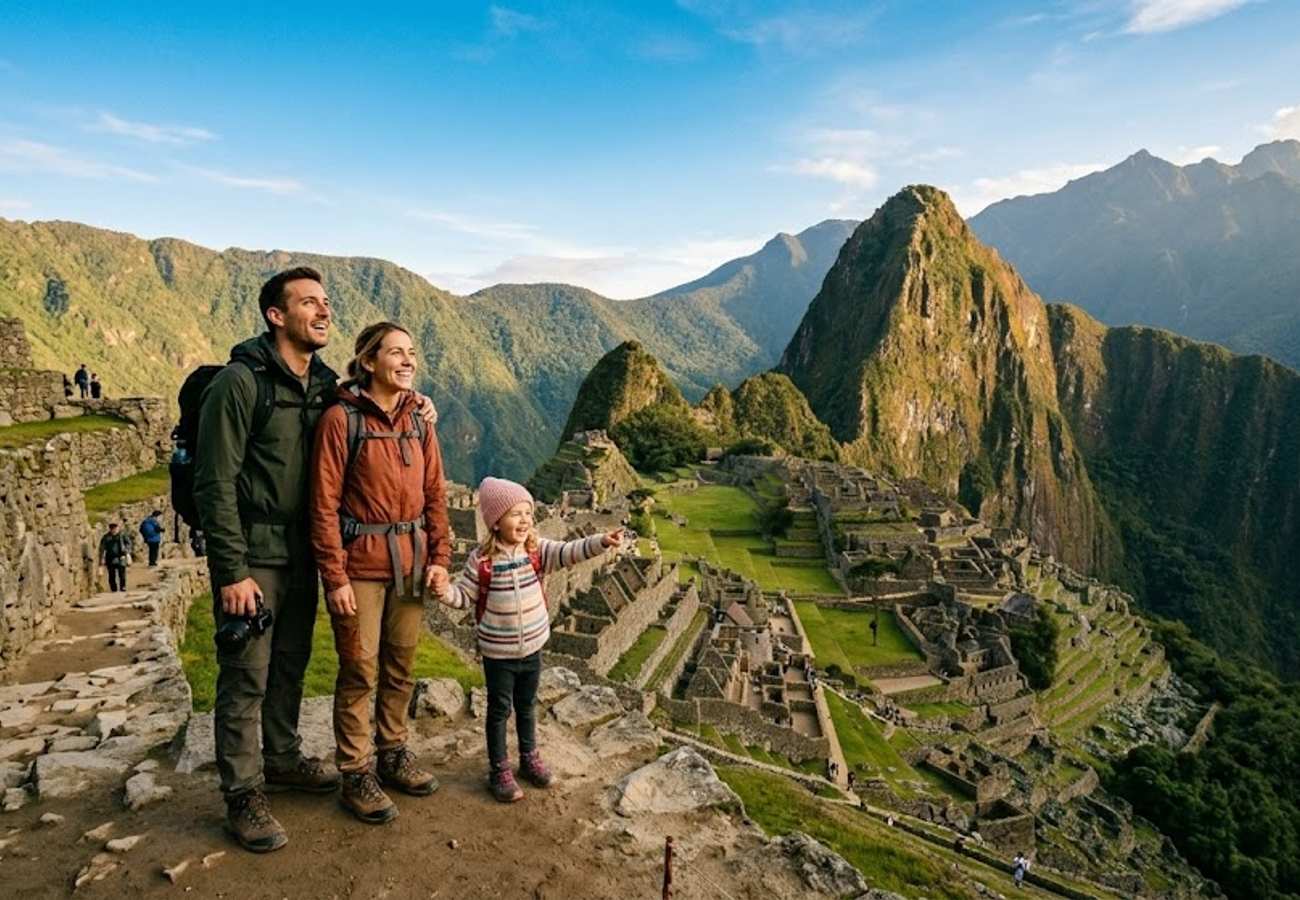
Image generated by AI
Peru is experiencing an unprecedented surge in global tourism interest, with online searches for Peruvian vacations jumping 369 percent over the past year. This rapid growth is positioning Machu Picchu ahead of Lima, Cusco, Puerto Maldonado, and other national attractions, drawing record visitor numbers from Chile, the United States, Spain, and neighboring South American countries.
Record Demand and Source Market Shifts
The 369 percent increase in search interest reflects a major shift in South American travel dynamics. Chile remains Peru’s largest international tourism source market, driven by short holidays, shopping, and gastronomy. The United States drives premium long-haul tourism growth, with American visitors seeking adventure, heritage, and luxury experiences across the Sacred Valley and the Amazon.
Peru's tourism board is actively promoting multi-destination travel to manage the intense concentration of visitors at the iconic Inca citadel. As demand accelerates, regions including the Amazon, Lake Titicaca, and Arequipa are seeing rising tourist interest, creating new opportunities across the national travel industry.
Transit Schedule and Route Specifications
| Source Market | Primary Travel Motivation | Top Destinations Visited |
|---|---|---|
| Chile | Short holidays, shopping, gastronomy, culture | Lima, Cusco, Machu Picchu, Tacna, Arequipa |
| United States | Adventure, heritage, luxury travel, gastronomy | Lima, Cusco, Machu Picchu, Sacred Valley, Amazon, Lake Titicaca, Arequipa |
| Ecuador | Family holidays, culture, city breaks | Lima, Cusco, Machu Picchu, Northern Peru, Beaches |
| Brazil | Nature, adventure, eco-tourism, luxury experiences | Cusco, Machu Picchu, Sacred Valley, Puerto Maldonado, Amazon, Lima |
| Bolivia | Cultural tourism, religious travel, heritage | Lake Titicaca, Puno, Cusco, Lima |
| Colombia | City breaks, gastronomy, cultural exploration | Lima, Cusco |
Traveler Logistics Guide: Navigating the Surge
From a ground-level perspective, navigating the current demand for Machu Picchu requires precise logistical execution. Travelers must ensure that passport numbers and exact names match booking confirmations for both entry tickets and rail services operated by PeruRail and IncaRail. Authorities enforce strict document verification at Aguas Calientes station and the citadel entrance.
Hedder Quispe, Travel Expert at Machu Travel Peru, highlights a recurring issue: "A mistake we see all the time among our clients is entering a name or passport number that doesn't exactly match the travel document they’ll use during their trip. Train operators and Machu Picchu ticket authorities verify this information, and even a small error or typo can be enough to prevent entry or boarding."
Correcting these mistakes often involves administrative charges, while severe errors may require purchasing entirely new tickets at last-minute prices. Travelers are advised to review every booking confirmation against their valid passport before finalizing payment.
For those trekking the classic four-day Inca Trail, permits are strictly limited daily by the Peruvian Ministry of Culture to preserve the historic route. During peak travel months, these permits sell out several months in advance. Travelers should secure permits at least five to six months before departure to avoid inflated costs or forced itinerary changes.
Another critical logistics consideration involves medical coverage. Cusco, the primary gateway to Machu Picchu, sits at approximately 3,400 metres above sea level, with trekking routes climbing even higher. Some travelers experiencing altitude sickness discover their insurance excludes medical treatment above certain elevations. Visitors must verify that their policy includes high-altitude medical treatment and emergency evacuation before departure.
Infrastructure Impact Assessment
The 369 percent increase in search interest places immense pressure on regional transit infrastructure, particularly Alejandro Velasco Astete International Airport in Cusco. The airport operates near capacity during peak season, handling the majority of traffic bound for the Sacred Valley.
To balance the economic benefits of tourism while protecting the UNESCO World Heritage Site, Peruvian authorities maintain controlled daily visitor limits at Machu Picchu. This regulatory environment makes advance planning non-negotiable. The push toward multi-destination travel aims to distribute visitor loads to Puerto Maldonado for eco-tourism and Puno for cultural heritage, ultimately stabilizing regional transit networks and extending the average length of stay.
Plan your Peruvian itinerary early to secure limited Inca Trail permits and ensure a seamless transit experience through the Andes.
Related Travel Guides
Disclaimer
This article is for informational and educational purposes only. It does not constitute legal, financial, or professional advice. While we strive to provide accurate and up-to-date information, travel policies, regulations, and conditions change rapidly. Always verify information with official sources before making travel decisions. Nomad Lawyer makes no representations about the accuracy, reliability, completeness, or suitability of the information provided. Readers should consult qualified professionals for advice specific to their circumstances. The views expressed in this article are those of the author and do not necessarily reflect the views of Nomad Lawyer.
Kunal K Choudhary
Co-Founder & Contributor
A passionate traveller and tech enthusiast. Kunal contributes to the vision and growth of Nomad Lawyer, bringing fresh perspectives and driving the community forward.
Learn more about our team →