
Machu Picchu 2026 Visitor Regulations: New Entry Caps and Circuit Rules for the Inca Trail
Peru implements strict new visitor caps and single-direction walking circuits at Machu Picchu to preserve the citadel, limiting high-season entry to 5,600 daily visitors.
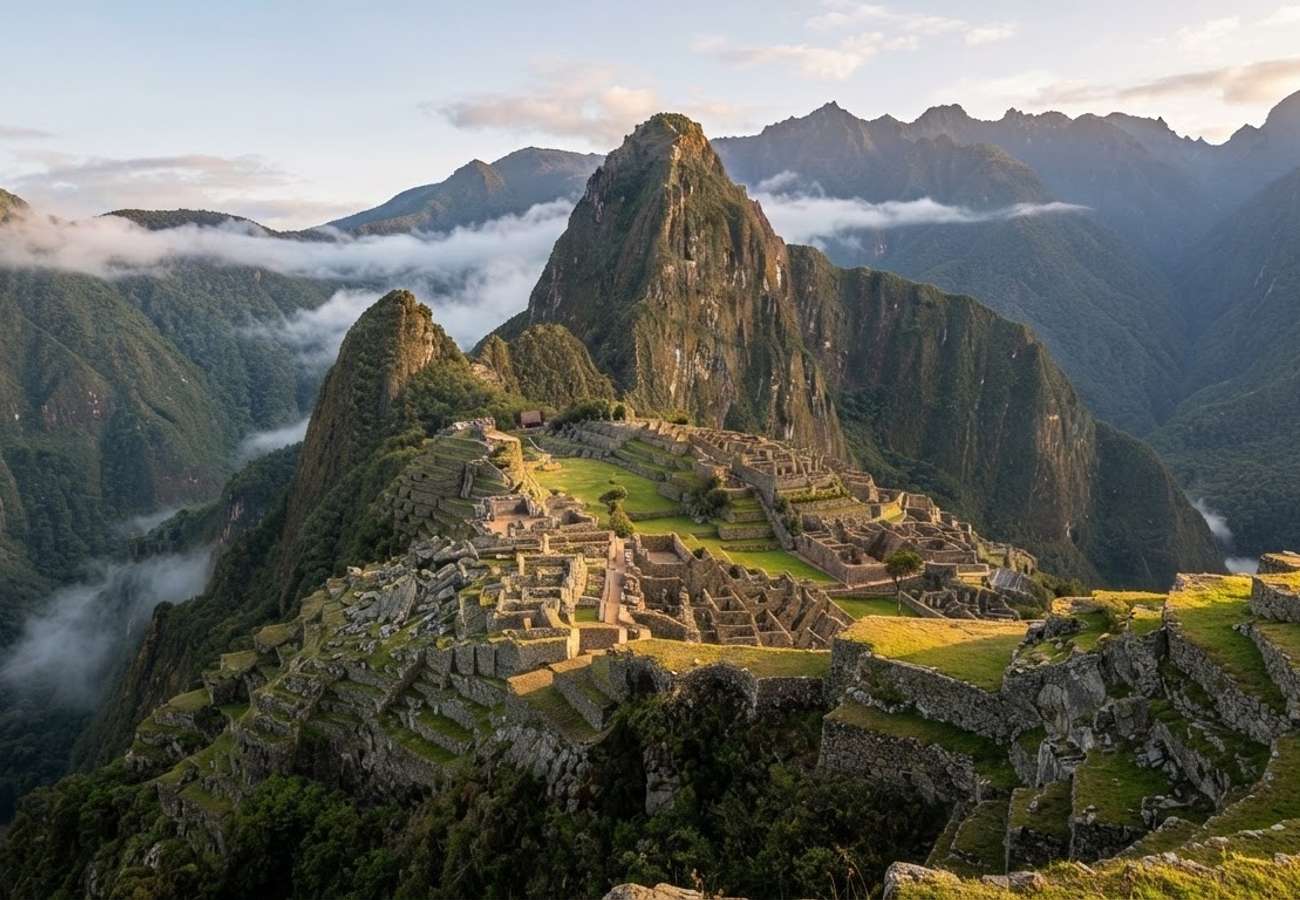
Image generated by AI
Daily visitor limits at Machu Picchu now peak at 5,600 during high season, with a strict 2.5-hour window for all guests to ensure the preservation of the Andean ruins.
The Shift Toward Precision Tourism
The Peruvian government has transitioned Machu Picchu from a flexible tourist destination to a highly regulated sanctuary. To combat the erosion of the Andean ruins and manage global demand, authorities have implemented a rigid operational framework. This shift moves away from spontaneous exploration toward a "precision tourism" model, where every single movement within the citadel is timed and tracked.
For the traveler, this means the era of the "walk-in" visit is over. Entry is now governed by a centralized digital system that requires full legal documentation—including passport numbers and nationality—long before arrival. The site operates from 6:00 AM to 5:30 PM, with the final entry permitted at 3:00 PM. A strict 30-minute grace period is granted for late arrivals; beyond that, tickets are forfeited.
Visitor Capacity and Seasonal Limits
To maintain structural integrity, the sanctuary enforces strict daily caps based on the season. These figures are non-negotiable and are designed to prevent the "bottleneck" effect common in previous years.
| Season | Date Range | Daily Visitor Cap |
|---|---|---|
| High Season | June 1 – Nov 2 (inc. Dec 30-31) | 5,600 visitors |
| Low Season | Remainder of the calendar year | 4,500 visitors |
Navigating the New Walking Circuits
The most significant change for the visitor experience is the introduction of three single-direction walking circuits. These paths are designed to protect delicate masonry by preventing two-way foot traffic.
- Circuit 1 (Panoramic): Focuses on the upper agricultural sector and the Guardian’s House. It provides the iconic vistas of the citadel but bypasses the lower urban areas.
- Circuit 2 (Classic): The most comprehensive route, covering both upper and lower agricultural zones, the Sun Temple, the Sacred Stone, and the Temple of the Condor.
- Circuit 3 (Royal): Concentrates on the lower urban structures, including the Water Mirrors and Pisonay Square. This is the mandatory exit route for those completing the multi-day Inca Trail.
High-Altitude Summit Access
Beyond the main ruins, secondary peaks require separate, highly limited permits. These tickets sell out months in advance and are categorized by difficulty.
Wayna Picchu (Route 3-A)
- Capacity: 350 tickets per day (7:00 AM and 9:00 AM slots).
- Experience: Expert-level, 45 to 60-minute steep ascent.
Machu Picchu Mountain (Route 1-A)
- Capacity: 300 tickets per day (6:00 AM and 8:00 AM slots).
- Experience: Moderate-to-challenging, 90-minute summit hike.
Huchuy Picchu (Route 3-D)
- Capacity: 50 tickets per day (High Season only).
- Experience: Beginner-level, 15-minute walk.
Logistics and Compliance
The journey to the citadel involves a coordinated transit chain through Cusco, Ollantaytambo, and Aguas Calientes (Machu Picchu Pueblo). Train operators now enforce a strict baggage limit of one piece of hand luggage per passenger, capped at 5 kg (11 lbs).
Once at the gates, the rules become even more stringent. Only one small personal backpack is permitted. Single-use plastic bottles, outside food, and large suitcases are prohibited. Trekking poles are banned unless used by elderly or mobility-impaired visitors, and they must be fitted with soft rubber tips to prevent stone scarring.
Cultural & Environmental Value
These protocols are not merely administrative; they represent a critical effort by regional conservation bodies to shift the narrative from "consumption" to "conservation." By banning single-use plastics and limiting the time spent on-site to 2.5 hours, Peru is reducing the carbon footprint and physical wear on the site.
For the visitor, the real impact is a more intimate, less crowded experience. The restriction of movement forces a slower, more mindful engagement with the architecture, ensuring that the "spirit of the clouds" remains intact for future generations.
Visitor Insider Tips
- The "Buffer" Hour: Always book your uphill shuttle bus from Aguas Calientes at least 30 minutes before your ticket window. The 30-minute climb can be unpredictable.
- Digital Readiness: While digital tickets are accepted, the mountain environment can be spotty. Keep a printed backup of your passport and ticket to avoid delays at the gate.
- Dining Strategy: Since food is banned inside the ruins and restrooms are only available outside the main gate, eat a hearty breakfast in Aguas Calientes.
- Off-Peak Window: Aim for the "shoulder" months just before June to experience lower crowds while still benefiting from the dry season weather.
Tourism Outlook
The modernization of Machu Picchu's entry system serves as a global blueprint for heritage site management. By decoupling the site from mass tourism and integrating strict digital verification, Peru is encouraging travelers to explore other less-visited regional sites, spreading economic benefits across the broader Andean community.
A journey to the clouds now requires a blueprint, but the reward is a preserved piece of human history.
Related Travel Guides
Disclaimer
This article is for informational and educational purposes only. It does not constitute legal, financial, or professional advice. While we strive to provide accurate and up-to-date information, travel policies, regulations, and conditions change rapidly. Always verify information with official sources before making travel decisions. Nomad Lawyer makes no representations about the accuracy, reliability, completeness, or suitability of the information provided. Readers should consult qualified professionals for advice specific to their circumstances. The views expressed in this article are those of the author and do not necessarily reflect the views of Nomad Lawyer.