
Breaking Airline News: Severe Travel Chaos at the World’s Most Dangerous Airport as Lukla's Terrifying 20m Runway Claims 56 Lives Since 1964
Breaking airline news: Amidst a terrifying era of high-altitude operational strain, Nepal's infamous Lukla Airport remains a lethal chokepoint, constantly triggering severe travel chaos across the Himalayas.

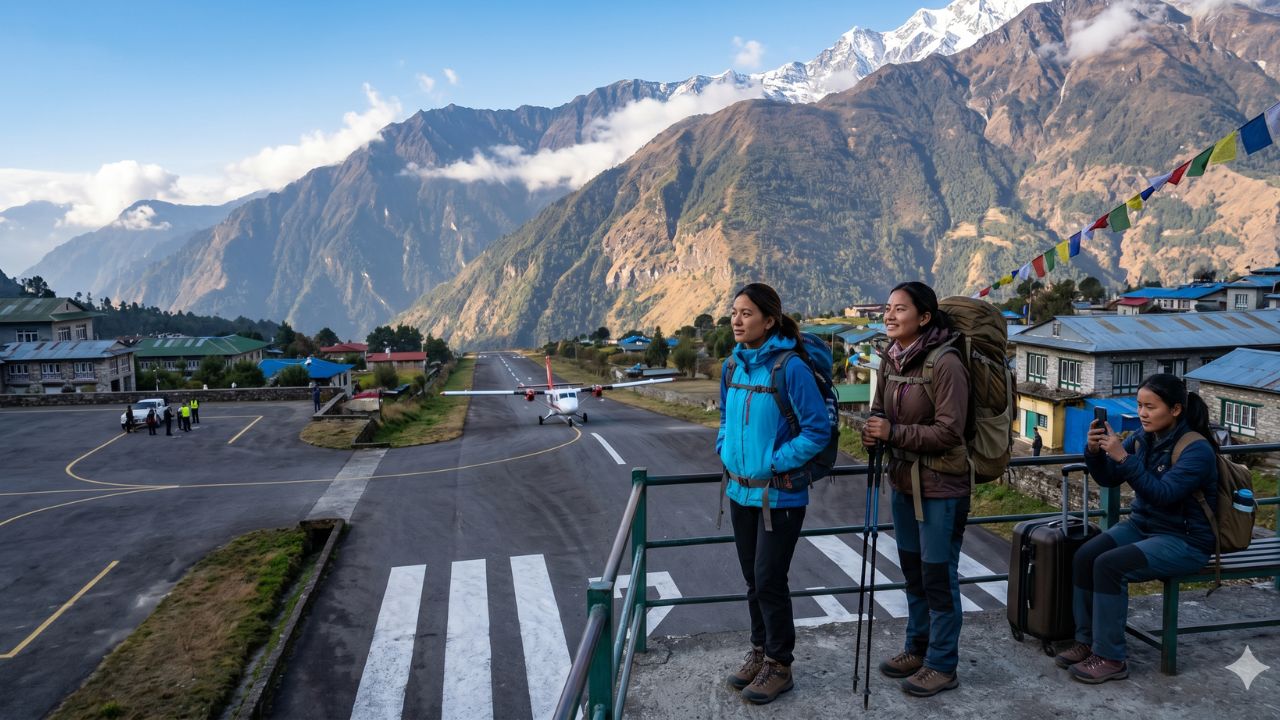
Image representing the intense strategic battle as specialized aviation pilots desperately attempt to navigate the terrifying 20m runway at Lukla Airport amidst extreme weather and severe travel chaos.
Breaking Airline News: Severe Travel Chaos at the World’s Most Dangerous Airport as Lukla's Terrifying 20m Runway Claims 56 Lives Since 1964
As paralyzing airport disruptions, tightly constrained operational bandwidth, and sudden extreme weather events violently sweep through the global aviation network, one remote Himalayan gateway continues to terrify pilots and passengers alike. Tenzing-Hillary Airport in Lukla, Nepal—universally recognized as the world’s absolute most dangerous airport—remains a highly volatile logistical chokepoint. Tucked precariously high in the mountains at an elevation of 2,846 meters (9,337 feet), this terrifying airstrip features a shockingly narrow 20-meter-wide runway that has violently claimed 56 lives in multiple fatal accidents since 1964. Today, flights here are considered the ultimate, high-stakes test of aviation survival, frequently resulting in massive flight cancellations and stranding thousands of desperate adventure tourists in severe, inescapable travel chaos.
In a harrowing display of extreme mountain aviation, navigating the 25-to-45-minute flight from Kathmandu or the alternate Ramechhap Airport rapidly devolves into a high-stress survival scenario. Operating within the highly volatile microclimates of the Khumbu region, specialized flagship carriers and regional operators suffer sudden, catastrophic weather disruptions that can completely blind a pilot within minutes. The sheer volume of flight cancellations stemming directly from this incredibly dangerous mega-hub reflects the terrifying peak travel pressure currently suffocating the Himalayan trekking network. This logistical nightmare frequently severs the only viable travel lifeline connecting international trekkers to Everest Base Camp, trapping furious passengers in localized gridlock and entirely destroying meticulously planned, high-cost mountaineering expeditions.
Expanded Overview: The Massive Scale of the Danger
The terrifying crisis continually gripping the Nepalese transit network brutally exposes the highly fragile nature of high-altitude air travel. The runway at Lukla is an absolute anomaly in modern commercial aviation: it measures a mere 527 meters long and slopes aggressively upwards at an 11 to 12 percent incline. This violent topography forces pilots to execute a terrifying uphill landing to brake quickly before smashing into the rugged rock face, and a highly dangerous downhill takeoff to gain enough speed before plummeting off the steep valley drop-off. Compounding this terrifying reality is the absolute lack of a go-around option; once an aircraft commits to the final approach through the towering peaks, a mistimed descent or sudden loss of visibility leaves zero margin for correction, often resulting in catastrophic structural failure.
Section-Wise Breakdown: The Operational Collapse
The Himalayan Gridlock: The Lukla Bottleneck
The constant threat of disaster aggressively centers around the absolute reliance on this single, highly compromised runway. Because Lukla operates as the absolute primary high-frequency turnaround point for the massive Everest tourism industry, the sheer volume of delayed and canceled flights violently cripples the tightly scheduled transfer system. The inability to seamlessly route Short Takeoff and Landing (STOL) aircraft into the gorge completely paralyzes vital connections. When morning visibility collapses into thick fog or violent crosswinds, the Civil Aviation Authority of Nepal (CAAN) is forced to ground the entire fleet, plunging thousands of trekkers into absolute travel chaos.
A Legacy of Catastrophe: The Fatal Record
The operational shockwaves surrounding Lukla are deeply rooted in a terrifying history of aviation disasters. Since operations began in the mid-1960s to open the Everest region, the airport has logged at least 56 official deaths. In 2008, a Yeti Airlines DHC-6 Twin Otter executed a fatal approach in thick fog, violently crashing and killing 18 passengers and crew in one of the airport's deadliest operational failures. More recently, in 2019, a Summit Air L-410 aggressively veered off the runway during a terrifying takeoff, colliding directly with a parked helicopter on the helipad and instantly killing the co-pilot and two security personnel, brutally underscoring the absolute volatility of the tarmac.
Flight Details & Aviation Hazard Matrix
To fully comprehend the massive logistical and strategic fallout of operating within this terrifying environment, corporate travel managers and expedition leaders must review the exact operational metrics that define Lukla's lethal reputation. Because standard flight cancellations are a daily operational reality rather than a single isolated incident, the following matrix provides a granular breakdown of the specific, officially verified hazards driving the ongoing travel chaos.
| Operational Metric | Confirmed Verification Data |
|---|---|
| Official Airport Name | Tenzing-Hillary Airport (Lukla, Nepal) |
| Operational Elevation | 2,846 m (9,337 ft) |
| Runway Dimensions | 527 m length, 20 m width |
| Runway Gradient | 11–12% incline (Uphill landing, downhill takeoff) |
| Total Official Fatalities | 56 deaths (since 1964) |
| Major Disasters | 2008 Yeti Airlines (18 dead); 2019 Summit Air (3 dead) |
| Standard Flight Time | 25–45 minutes (from Kathmandu / Ramechhap) |
| Regulatory Authority | Civil Aviation Authority of Nepal (CAAN) |
Passenger Impact: Surviving the Mountain Nightmare
For the thousands of international passengers physically trapped in Kathmandu awaiting clearance, or stranded on the mountain desperately trying to evacuate, the human cost of this operational bottleneck is intense. The brutal reality of enduring massive, multi-day flight cancellations inflicts intense psychological stress and entirely destroys expensive, highly planned Himalayan itineraries. The disruption causes immediate friction, resulting in severely missed international connections back home, massive financial losses, and forced reliance on highly expensive, ad-hoc emergency helicopter charters to escape the paralyzing gridlock.
Survival Guide for Everest Travelers
Travelers desperately navigating this high-stakes environment must immediately execute the following survival protocols:
- Mandatory Buffer Days: Aggressively build multiple buffer days into your itinerary, as sudden, multi-day weather groundings at Lukla are a statistical certainty during peak seasons.
- Monitor Official Aviation Alerts: Stay heavily vigilant and rely exclusively on official updates from CAAN and your airline; ignore local terminal rumors regarding clearance windows.
- Maintain Extreme Flexibility: If commercial fixed-wing flights are aggressively canceled, immediately pivot to alternative access via authorized helicopter services or prepare for days of arduous overland trekking to escape the mountain.
Industry Analysis: The Fragility of STOL Operations
From a strategic aviation perspective, the travel turmoil consistently plaguing the Lukla route highlights the terrifying vulnerability of high-altitude STOL operations. To combat the severe risks, CAAN enforces incredibly strict operational rules. Only specialized STOL-certified aircraft and elite pilots heavily trained in mountain flying are legally permitted to navigate the gorge. Furthermore, flights operate exclusively during daylight hours under stringent visibility minimums. The thin air at 2,846 meters violently reduces engine thrust and wing lift, proving that even with highly optimized aircraft, the fundamental physics of mountain aviation remain terrifyingly fragile and prone to sudden, catastrophic failure.
Conclusion: A Strategic Retreat to Ensure Aviation Survival
As the global trekking demand continues its massive escalation, the terrifying reality of Tenzing-Hillary Airport represents a massive warning to adventure travelers. The staggering historical death toll of 56 and the constant threat of massive flight cancellations prove that the Lukla schedule remains terrifyingly fragile. Expedition leaders and everyday passengers attempting to navigate this highly unstable era of mountain disruptions must maintain extreme flexibility. By acting aggressively to secure flexible tickets and deeply respecting the lethal operational constraints of the world's most dangerous airport, travelers can survive the intense travel chaos and safely access the roof of the world.
Key Takeaways
- World's Most Dangerous Airport: Lukla's Tenzing-Hillary Airport features a terrifyingly short 527m, 20m wide runway with an 11-12% incline, entirely lacking a go-around option.
- Lethal Operational History: Since 1964, the treacherous mountain airstrip has claimed 56 lives in multiple fatal accidents, including the 2008 Yeti Airlines and 2019 Summit Air disasters.
- Massive Travel Disruptions: Rapidly shifting Himalayan weather constantly triggers massive flight cancellations, routinely stranding thousands of trekkers in severe travel chaos.
- Extreme Aviation Constraints: The thin air at 2,846m drastically reduces lift, requiring elite, specialized mountain pilots operating strict, daylight-only STOL aircraft.
- Traveler Advisory: Passengers must aggressively build buffer days into their itineraries and prepare to secure emergency helicopter alternative routes when fixed-wing flights are grounded.
Related Travel Guides
Disclaimer
This article is for informational and educational purposes only. It does not constitute legal, financial, or professional advice. While we strive to provide accurate and up-to-date information, travel policies, regulations, and conditions change rapidly. Always verify information with official sources before making travel decisions. Nomad Lawyer makes no representations about the accuracy, reliability, completeness, or suitability of the information provided. Readers should consult qualified professionals for advice specific to their circumstances. The views expressed in this article are those of the author and do not necessarily reflect the views of Nomad Lawyer.
Kunal K Choudhary
Co-Founder & Contributor
A passionate traveller and tech enthusiast. Kunal contributes to the vision and growth of Nomad Lawyer, bringing fresh perspectives and driving the community forward.
Learn more about our team →