
Lufthansa Cancels Hundreds of Flights Across Europe: Pilots and Cabin Crew Strike Paralyzes Frankfurt and Munich Hubs in April 2026
Lufthansa grounds hundreds of flights as coordinated pilot and cabin crew strikes hit Frankfurt and Munich airports. EU passenger rights and compensation explained.

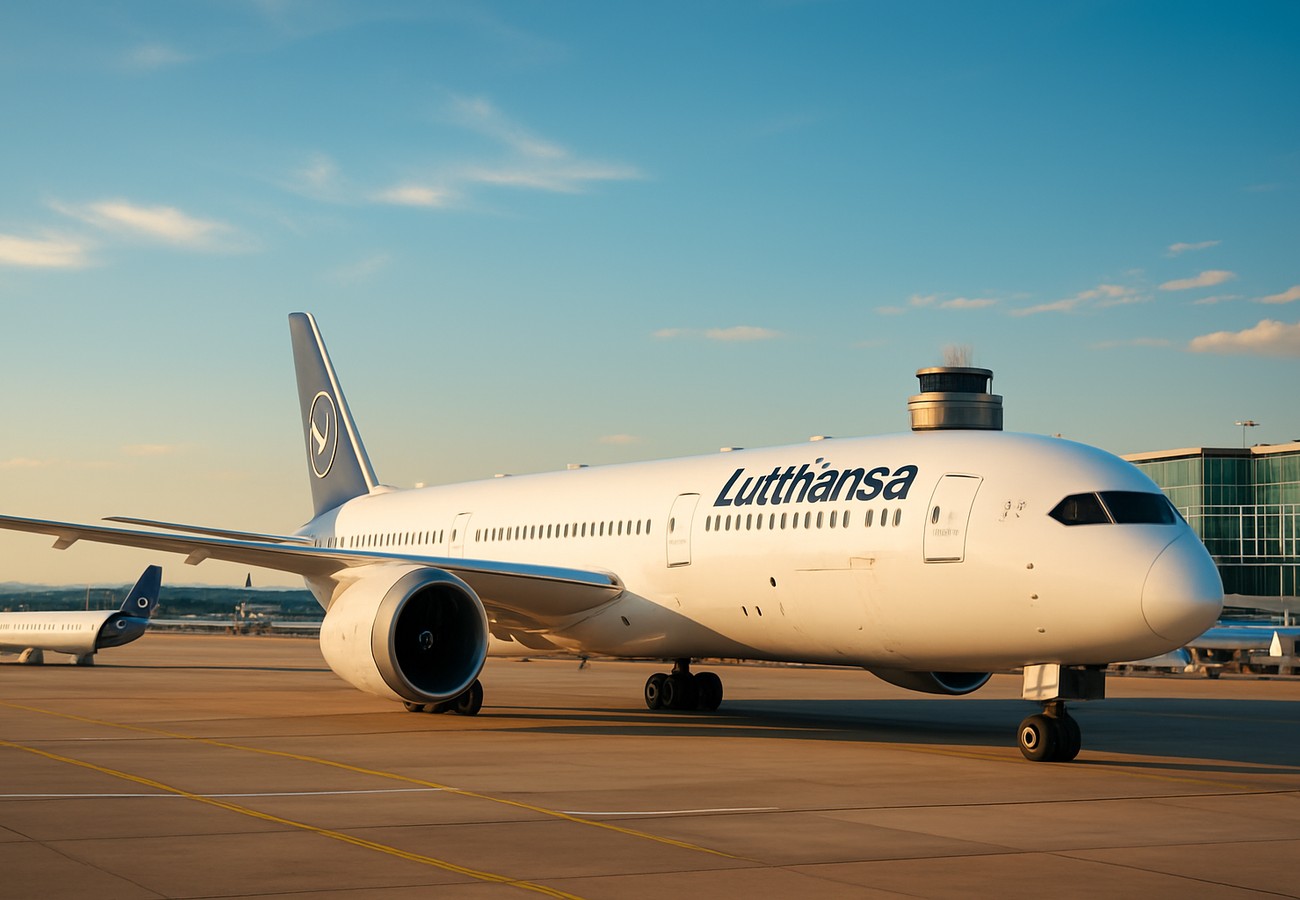
Image generated by AI
Lufthansa Grounds Hundreds of Flights as European Pilot Strike Escalates
Germany's largest carrier faces unprecedented operational collapse as coordinated industrial action from pilots and cabin crew triggers mass flight cancellations across Europe's busiest aviation corridors. The Lufthansa flight cancellations crisis has emerged as one of 2026's most severe disruptions to global aviation, with major hubs at Frankfurt (FRA) and Munich (MUC) experiencing near-total operational shutdowns. Hundreds of passengers remain stranded, rebooking systems overwhelmed, and ripple effects spreading across transatlantic and intra-European routes.
The strike action represents a critical flashpoint in ongoing labour disputes over compensation structures and employment contracts. The Vereinigung Cockpit (VC) union initiated a coordinated 48-hour pilot walkout, while the independent cabin crew union UFO simultaneously staged widespread walkouts across multiple German airports. This synchronized industrial action has forced Lufthansa to cancel or significantly delay hundreds of scheduled operations, disrupting travel plans for tens of thousands of passengers and exposing vulnerabilities in Europe's aviation infrastructure during peak spring travel season.
Labour Dispute Escalates: Pilots and Cabin Crew Demand Contract Resolution
The root cause of the disruption traces directly to unresolved compensation and employment contract negotiations between Lufthansa management and its unionized workforce. The Vereinigung Cockpit represents the airline's pilot corps and has long sought improved pension provisions, salary adjustments, and working condition guarantees. Simultaneously, UFO cabin crew representatives have pressed for enhanced compensation packages and job security protections amid post-pandemic operational uncertainties.
Official statements from Lufthansa confirm that negotiations remain deadlocked, with no imminent breakthrough signalled by either party. The airline has publicly acknowledged the strike's legitimacy under German labour law while simultaneously warning that extended industrial action threatens its operational viability and competitive positioning. Industry analysts note that such labour disputes increasingly characterize global aviation as carriers attempt to manage cost pressures while workforce representatives demand wage restoration following pandemic-era concessions.
Frankfurt and Munich Airports Face Operational Paralysis
The disruption has concentrated maximum impact at Frankfurt Airport (FRA) and Munich Airport (MUC), which collectively serve as Lufthansa's primary European hubs and connection points for long-haul international traffic. Flight data from aviation tracking platforms shows cancellation rates exceeding 80 percent during peak strike hours, with cascading delays affecting downstream connections across the continent. Passengers booked on connecting flights through these hubs face compounding delays as aircraft positioning becomes impossible and crew scheduling collapses.
The operational impact extends far beyond Lufthansa's own network. Partner airlines, code-share carriers, and connecting passengers on competing airlines experience secondary disruptions as airport infrastructure becomes congested with stranded aircraft and diverted traffic. Frankfurt Airport, Europe's busiest aviation hub by international traffic volume, has activated contingency protocols including extended gate hold procedures and ground stop management. Airport authorities have increased staffing at customer service desks and information centers to manage passenger inquiries and rebooking requests.
EU Passenger Rights Protections Activate: Compensation Eligibility Explained
Passengers affected by the Lufthansa flight cancellations benefit from robust regulatory protections under the EU Air Passenger Rights Regulation (EC 261/2004), which establishes mandatory compensation frameworks for flight disruptions. According to the regulation, eligible passengers may claim financial compensation ranging from €250 to €600 depending on flight distance and delay duration, provided the disruption does not qualify as an "extraordinary circumstance" beyond the airline's control.
The regulatory framework mandates that Lufthansa must provide affected passengers with either rebooking on alternative flights or full ticket refunds. Additionally, airlines must cover meals, hotel accommodation, and ground transportation for passengers experiencing delays exceeding specified thresholds. For flights cancelled with less than 14 days' notice, passengers are entitled to compensation unless the airline demonstrates that the cancellation resulted from extraordinary circumstances—a threshold that labour strikes do not automatically satisfy under EU jurisprudence. The UK Civil Aviation Authority (CAA) and equivalent national regulators across Europe have issued guidance confirming that passengers should document all expenses and submit compensation claims directly to Lufthansa or through specialized claims management services.
Real-Time Mitigation: Airline Systems and Digital Tools Activated
Lufthansa has activated emergency rebooking protocols through its digital infrastructure, automatically rerouting affected passengers onto subsequent available flights or alternative carriers where capacity permits. The airline's mobile application and website portal display real-time flight status updates, allowing passengers to monitor schedule changes and access rebooking options independently. SMS and email notification systems have been deployed to push urgent updates to affected customers, reducing reliance on airport information desks during peak disruption periods.
The airline has also established dedicated customer service hotlines with extended operating hours to process refund requests and rebooking inquiries. However, call volumes have reportedly exceeded system capacity, creating extended wait times and frustration among stranded passengers. Travel industry observers note that such labour disruptions expose the limitations of automated systems when dealing with mass cancellations, as human intervention becomes necessary for complex rebooking scenarios involving international connections and multi-leg itineraries.
Cascading European Impact: Secondary Airports and Connecting Routes Affected
Beyond Frankfurt and Munich, secondary airports across Germany, Scandinavia, and the UK are experiencing secondary disruptions as passengers reroute through alternative carriers and hub airports. Airlines including Ryanair, easyJet, and British Airways have reported increased booking inquiries from passengers seeking alternatives to cancelled Lufthansa services. Accommodation providers near major airports have experienced surge demand as stranded passengers require overnight lodging, with hotel availability tightening across Frankfurt and Munich metropolitan areas.
The disruption has particular implications for transatlantic connectivity, as Lufthansa's Frankfurt hub serves as a critical gateway for North American traffic into continental Europe. Passengers booked on long-haul connections through Frankfurt face the prospect of missing onward flights, requiring complex rebooking across multiple carriers and potentially extending journey times by 24 hours or more. International Air Transport Association (IATA) representatives have characterized the disruption as emblematic of broader labour market pressures affecting global aviation as workforce representatives seek wage restoration following pandemic-era employment challenges.
What This Means for Travelers: Immediate Actions and Strategic Responses
Passengers with upcoming Lufthansa bookings should immediately verify flight status through official airline channels rather than relying on airport information desks, which are overwhelmed with inquiries. Travelers should document all expenses incurred due to cancellations or delays, including accommodation, meals, and ground transportation, as these costs form the basis for compensation claims under EU 261/2004. Consider purchasing travel insurance or rebooking on competing carriers if alternative options are available at comparable fares, as Lufthansa's rebooking system may prioritize its own flights over competitor alternatives.
For passengers with flexible travel dates, postponing journeys by 48-72 hours may allow the strike to resolve and normal operations to resume. Those with non-flexible commitments should contact Lufthansa customer service immediately to explore rebooking options, as early intervention typically yields better alternative flight availability than waiting until strike resolution. Passengers traveling from UK airports should consult the CAA's official guidance on passenger rights, which provides detailed compensation claim procedures and dispute resolution mechanisms.
Industry insight: Labour disputes in aviation increasingly reflect structural tensions between cost-conscious carriers and workforce representatives demanding wage restoration, suggesting that such disruptions may become recurring features of European aviation rather than isolated incidents.
Forward Outlook: Structural Pressures and Industry Implications
The Lufthansa strike underscores deepening labour market pressures across global aviation as carriers attempt to manage fuel price volatility, geopolitical uncertainty, and post-pandemic demand fluctuations while workforce representatives demand improved compensation. The disruption demonstrates that even Europe's largest carriers remain vulnerable to coordinated industrial action, with limited capacity to absorb multi-day operational shutdowns without triggering cascading network failures. As fuel prices impact airlines' profitability and geopolitical tensions create route uncertainty, labour disputes may intensify across the industry, prompting passengers to build contingency time into travel itineraries and maintain flexible booking strategies.
Related Travel Guides
Disclaimer
This article is for informational and educational purposes only. It does not constitute legal, financial, or professional advice. While we strive to provide accurate and up-to-date information, travel policies, regulations, and conditions change rapidly. Always verify information with official sources before making travel decisions. Nomad Lawyer makes no representations about the accuracy, reliability, completeness, or suitability of the information provided. Readers should consult qualified professionals for advice specific to their circumstances. The views expressed in this article are those of the author and do not necessarily reflect the views of Nomad Lawyer.
Kunal K Choudhary
Co-Founder & Contributor
A passionate traveller and tech enthusiast. Kunal contributes to the vision and growth of Nomad Lawyer, bringing fresh perspectives and driving the community forward.
Learn more about our team →