
Louisiana Tourism Surge Shatters Records in New Orleans, Lake Charles, and Rural Parishes as Visitor Spending Exceeds $10.8 Billion: What Every Traveller Must Know
Louisiana logs seven straight months of record-breaking tourism in 2026, driving $10.8B in spending across New Orleans, Lake Charles, and rural bayous.

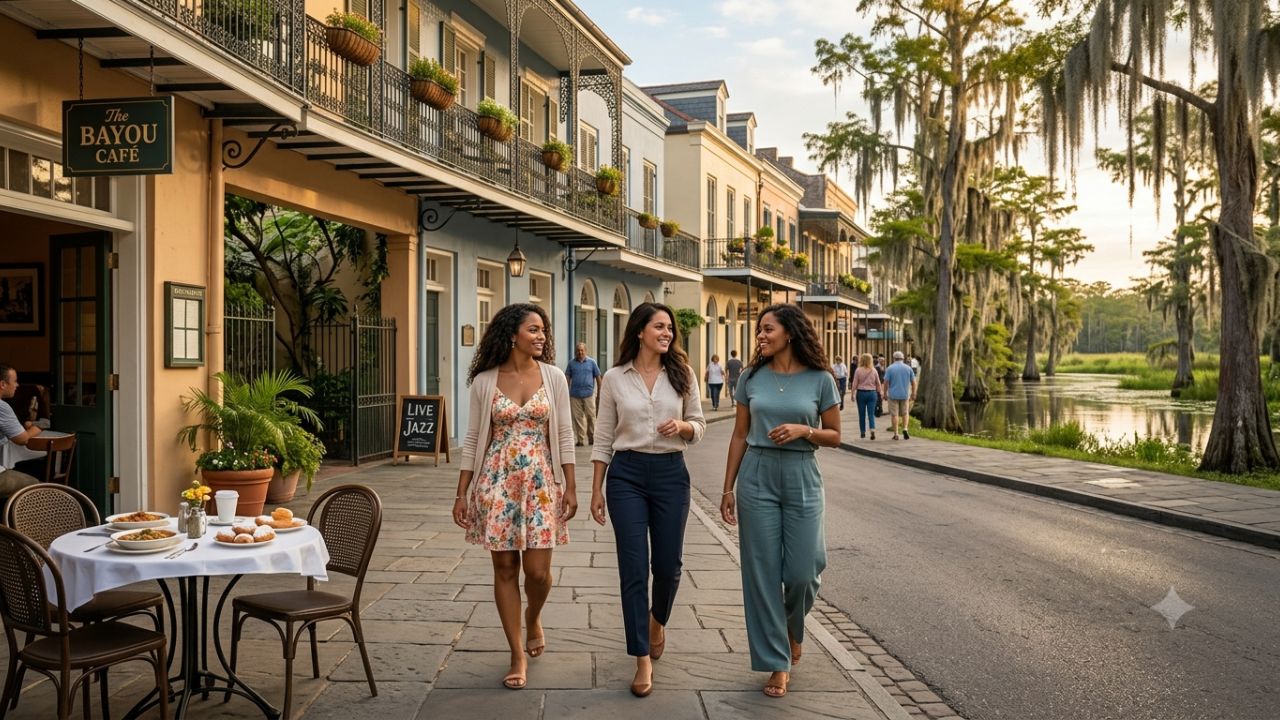
Image generated by AI
Driven by seven consecutive months of unprecedented visitor arrivals across metropolitan hubs and rural bayous, Louisiana is experiencing a historic tourism boom that has generated over $10.8 billion in metropolitan visitor expenditures throughout 2026. Spearheaded by strategic state initiatives such as the Year of Outdoors campaign and aggressive regional decentralisation led by Lieutenant Governor Billy Nungesser, the surge is fundamentally altering travel patterns across the Bayou State, redirecting millions of domestic and international explorers away from congested urban blocks and into scenic rural parishes.
With major aviation gateways including Louis Armstrong New Orleans International Airport (MSY) handling more than 5.08 million passengers in the first five months of the year alone, travelers planning visits must anticipate tighter lodging availability, shifting road-trip distribution corridors, and heightened demand for cultural and eco-tourism excursions.
The Decentralisation Blueprint: How State Campaigns Shifted Tourist Footfall
The continuous seven-month expansion across Louisiana reflects a structured, statewide strategy to diversify tourism beyond traditional party corridors. State promotional campaigns, heavily emphasized during National Travel Week, established that repeat visitors form an economic backbone for the state, with traveling parties reporting an average household income benchmark of $124,646. Rather than relying exclusively on seasonal urban spikes, the Louisiana Office of Tourism implemented initiatives designed to insulate the hospitality sector against wider macroeconomic fluctuations through authentic regional storytelling and environmental engagement.
A primary driver of this travel transformation is the state's flagship Year of Outdoors campaign, which champions conservation-based recreation across wildlife preserves and the state park network. Digital engagement metrics and trail map distributions surged as state leadership systematically highlighted hiking circuits, bayou waterways, and birding preserves. By shifting traveler attention outward, regional economies that historically saw modest seasonal traffic are now recording double-digit gains in overnight stays and sustained tourist expenditures.
This geographic rebalancing is underpinned by strong local sentiment. According to the landmark Southwest Louisiana Resident Sentiment Study, host communities strongly favor the expansion:
- 91% of residents view tourism as a tremendous positive force for their local community.
- 80% of respondents agree that incoming visitor spending directly encourages vital public infrastructure investments.
- 71% recognize the sector's power in attracting new local businesses and independent commercial services.
Record Inflows: Urban Centers, Lake Charles, and Rural Employment Gains
Across major urban epicenters, tourist spending maintained financial heights scaling north of $10.8 billion, with daily expenditures averaging roughly $303 per traveler. New Orleans demonstrated exceptional drawing power during peak Carnival celebrations, with Mardi Gras attracting approximately 1.2 million out-of-state visitors—representing an extraordinary 20% surge over previous cycles. Downtown districts logged over 2.2 million localized visits, delivering multi-million-dollar contributions to state and municipal tax reserves.
Simultaneously, secondary hubs and rural parishes captured unprecedented commercial gains:
| Destination / Sector | Recorded 2026 Metric | Key Operational or Economic Driver | Traveler Implications |
|---|---|---|---|
| Metropolitan Epicenters | Over $10.8 billion total spend | Average daily spend of $303 per visitor across urban core | Premium hotel rates and peak dining demand in historic downtowns |
| Lake Charles & Calcasieu Parish | 7.5 million visitors; ~$900M spend | Dynamic mix of casino gaming, coastal marsh trails, and dining | Rapid growth in Southwest Louisiana weekend road-trip traffic |
| New Orleans Mardi Gras | 1.2 million out-of-state visitors | 20% year-over-year surge during peak Carnival parade days | Early hotel bookings mandatory 4–6 months in advance |
| Louis Armstrong Airport (MSY) | 5.08 million passengers (Jan–May) | Primary southern gateway balancing flights with regional road trips | Peak terminal screening volumes and high rental vehicle demand |
| Rural Parishes | 6,200+ projected stable jobs | Multi-percentage increase in rural overnight stays and eco-trips | Limited boutique lodging; advance reservations necessary |
| Culinary Tourism | 32% of out-of-state visitor outlays | Signature gumbo trails, seafood markets, and family-owned cafes | Food-driven road-tripping connecting rural parish dining stops |
| Guided Wetland Excursions | 15% YoY growth in eco-tours | Kayak excursions and swamp tours funding habitat preservation | Guided boat tours require advance scheduling during migrations |
Statewide labor metrics mirror this financial surge. Louisiana's broader nonfarm payroll employment recently climbed past the 2.01 million job mark, representing an annual increase of more than 16,700 positions heavily anchored by leisure, hospitality, and trade sectors.
Aviation Trends at Louis Armstrong International Airport (MSY)
Between January and May 2026, Louis Armstrong New Orleans International Airport (MSY) handled approximately 5.08 million passengers, establishing a vital benchmark for southern aviation logistics. Aviation data indicates that contemporary visitors increasingly utilize MSY not merely as a final stop, but as a multimodal transit springboard—arriving by air and immediately embarking on regional rental car journeys into surrounding parishes.
This coordinated dispersal across highways and scenic byways mitigates high-density urban bottlenecks while spreading capital into lesser-known towns. However, it also means airport rental car fleets and regional highway arteries experience concentrated demand during major holiday and festival weekends.
Heritage Preservation, Regional Food Trails, and Wetland Ecotourism
Two critical pillars sustaining repeat visitation across Louisiana are historic architectural preservation and authentic gastronomy. State preservation grants actively support more than 450 registered historic structures open to public educational and architectural tours, preserving Creole ancestral homes, historic jazz halls, and French and Spanish colonial landmarks.
Concurrently, culinary tourism represents approximately 32% of total out-of-state visitor expenditures. Signature regional food trails, spanning gumbo routes, crawfish boils, and seafood markets, drive millions of dollars directly into independent, multi-generational eateries.
In the southern swamplands, state-backed ecotourism networks registered a 15% year-over-year increase in guided wetland excursions and kayak eco-tours. These low-impact adventures directly contribute to regional conservation funding, helping protect fragile Mississippi delta habitats while educating explorers on wetland ecology.
Practical Traveler Advice for Navigating the Louisiana Tourism Surge
Travelers organizing trips to Louisiana during this period of historic demand should implement practical logistical measures:
- Reserve Urban Festival Stays Months in Advance: With New Orleans recording over 1.2 million out-of-state visitors during Mardi Gras alone, secure hotel and boutique accommodations four to six months early to avoid elevated surge rates.
- Book Group Accommodations Proactively: Multi-generational families and organized group travel parties now account for nearly 45% of total visitor volume, with groups spending 2.4 times more than solo travelers. Large groups should reserve interconnected suites and passenger rental vans well before arrival.
- Budget Around Metropolitan Benchmarks: Expect baseline metropolitan spending to hover near $303 per day per person for lodging, high-end Creole dining, and curated heritage tours.
- Schedule Swamp and Ecotours Ahead of Arrival: With wetland eco-tours expanding 15% year-over-year, reserve morning boat and kayak slots at least two weeks in advance to ensure availability with licensed naturalists.
- Plan Multimodal Itineraries: Fly into Louis Armstrong New Orleans International Airport (MSY), rent a vehicle, and allocate time to explore Southwest Louisiana, Calcasieu Parish, and rural state park reserves.
What to Expect Next: America's 250th Anniversary and Future Outlook
As the state enters the final stretch of 2026 and looks toward nationwide America's 250th anniversary celebrations, tourism planners project sustained foot traffic gains. Lieutenant Governor Billy Nungesser's decentralized travel framework has created an enduring blueprint that pairs community pride with fiscal stability. Travelers can expect ongoing upgrades to state park facilities, expanded digital trail resources, and enhanced parish transit corridors throughout 2027.
By blending historic architectural preservation with responsible wetland conservation and peerless southern culinary traditions, Louisiana has firmly established itself as a premier global destination for immersive, meaningful travel.
Frequently Asked Questions
What is driving the historic Louisiana tourism surge in 2026?
The record surge is driven by seven consecutive months of high visitation, the statewide Year of Outdoors campaign, aggressive decentralisation efforts by Lieutenant Governor Billy Nungesser, and massive attendance at signature cultural festivals like Mardi Gras.
How much do visitors spend on average in Louisiana?
In major metropolitan centers, visitors spend an average of $303 per person daily, contributing to an urban spending total surpassing $10.8 billion. Culinary tourism accounts for roughly 32% of all out-of-state visitor expenditures.
Why are rural parishes seeing increased visitor numbers in 2026?
Strategic state marketing has guided visitors away from congested cities into rural heritage areas and state parks, generating over 6,200 stable regional hospitality jobs and multi-percentage increases in overnight parish stays.
How many passengers did Louis Armstrong New Orleans International Airport handle?
Between January and May 2026, Louis Armstrong New Orleans International Airport (MSY) processed approximately 5.08 million passengers, reflecting heavy inbound air traffic combined with regional road-trip exploration.
Related Travel Guides
Disclaimer
This article is for informational and educational purposes only. It does not constitute legal, financial, or professional advice. While we strive to provide accurate and up-to-date information, travel policies, regulations, and conditions change rapidly. Always verify information with official sources before making travel decisions. Nomad Lawyer makes no representations about the accuracy, reliability, completeness, or suitability of the information provided. Readers should consult qualified professionals for advice specific to their circumstances. The views expressed in this article are those of the author and do not necessarily reflect the views of Nomad Lawyer.
Kunal K Choudhary
Co-Founder & Contributor
A passionate traveller and tech enthusiast. Kunal contributes to the vision and growth of Nomad Lawyer, bringing fresh perspectives and driving the community forward.
Learn more about our team →