
Travel Orleans Joins Five-City Louisiana Tourism Push Targeting Cruise Passengers in 2026
New Orleans leads Louisiana's five-city tourism coalition with Lafayette, Baton Rouge, Shreveport, and Franklin positioning regional cruise ports for summer 2026 growth.

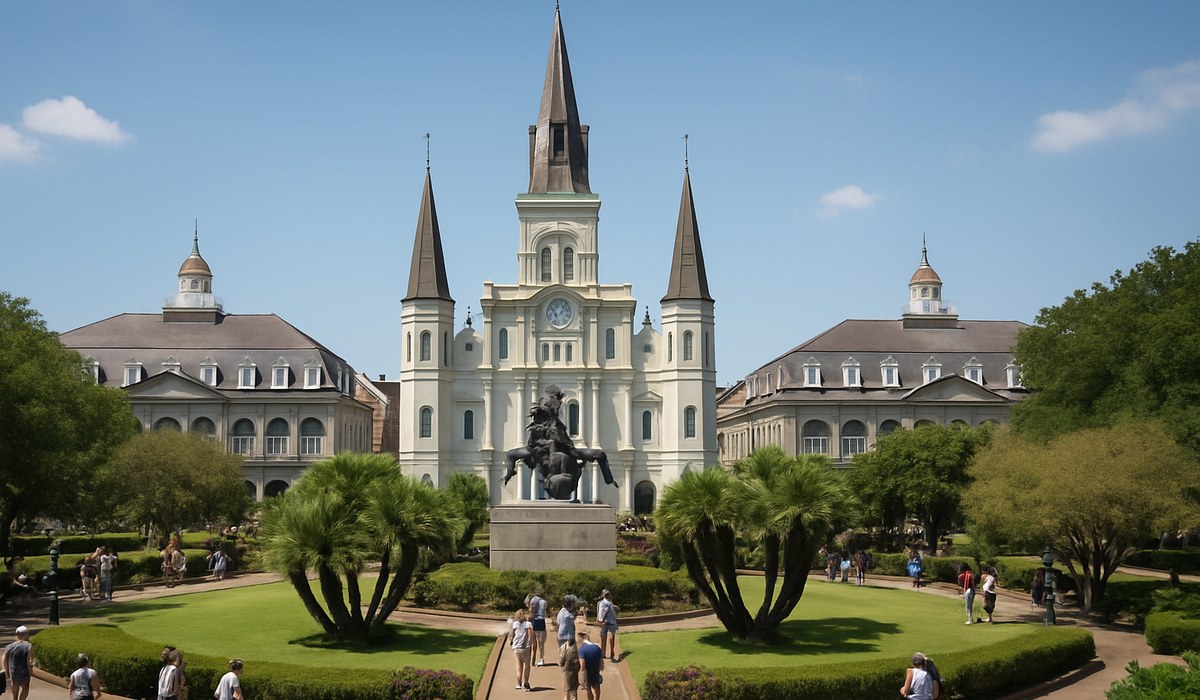
Image generated by AI
**> Quick Summary
• Louisiana's five-city coalition targets cruise passengers through coordinated summer festivals and port infrastructure upgrades • New Orleans cruise terminals expect 14% year-over-year growth driven by expanded Caribbean itineraries • Regional cities plan 47 major events between June and August to capture multi-day visitor spending • Economic projections estimate $273 million in combined visitor expenditures across participating municipalities**
While Caribbean ports dominate cruise itineraries, Louisiana's five-city coalition is quietly engineering a summer tourism offensive that could redirect millions in cruise passenger spending to the Gulf Coast. New Orleans, Lafayette, Baton Rouge, Shreveport, and Franklin have synchronized event calendars and port development strategies in an unprecedented partnership designed to position the state as America's next major regional cruise destination hub.
The coordinated campaign launches June 2026 with infrastructure improvements at port facilities coinciding with marquee cultural festivals specifically scheduled to attract pre-cruise and post-cruise extension stays. State tourism officials describe the initiative as a direct challenge to traditional embarkation points competing for North American passengers.
Louisiana's Five-City Tourism Alliance Takes Shape
Travel Orleans joins four sister cities in a formalized cooperation agreement signed March 2026 that commits participating municipalities to shared marketing budgets and joint packaging of multi-destination itineraries. The alliance represents Louisiana's first region-wide effort to leverage cruise tourism for inland economic development.
Under the agreement, each city contributes resources to a unified visitor database that tracks passenger movements between destinations. Shreveport anchors the northern corridor, offering riverboat casino experiences and music heritage tours. Lafayette positions itself as the cultural gateway with Cajun and Creole culinary programming. Baton Rouge markets government district tours and plantation experiences. Franklin, the smallest partner, provides boutique historic district lodging for travelers seeking authentic small-town Louisiana atmosphere.
Lt. Governor Julia Broussard announced during a March 18 press conference that the state allocated $8.4 million in matching funds to support cross-promotional campaigns through December 2026. "We're building an ecosystem where cruise passengers see Louisiana as a week-long destination, not just a boarding point," Broussard stated at the New Orleans Convention Center.
This regional approach mirrors strategies employed by Mediterranean port cities that bundle shore excursions across national borders. Cruise industry innovations reshaping regional tourism demonstrate how technology platforms now enable seamless multi-city bookings that increase per-passenger revenue for participating destinations.
Cruise Port Infrastructure Driving Regional Growth
New Orleans handles approximately 1.2 million cruise passengers annually through the Julia Street Cruise Terminal and newer Erato Street facility. Port officials confirmed that 2026 bookings already show double-digit growth, with Norwegian Cruise Line adding seven sailings and Carnival Cruise Line deploying larger vessels on Western Caribbean routes.
Terminal upgrades completed in February 2026 expanded embarkation capacity by 22%, allowing simultaneous processing of three mega-ships. The $47 million modernization project includes biometric screening technology that reduces boarding times to under 90 minutes for most passengers. According to port authority data, faster processing directly correlates with higher pre-cruise hotel occupancy as travelers arrive earlier to guarantee timely departure.
Baton Rouge's Port Allen terminal invested $12 million in dock reinforcement to accommodate smaller expedition vessels that navigate the Mississippi River. The facility targets luxury cruise operators seeking authentic Southern experiences beyond traditional coastal itineraries. Port Allen officials report inquiries from three European river cruise companies evaluating potential 2027 seasonal operations.
The Cruise Lines International Association reports that Gulf Coast ports collectively captured 8.3% of North American embarkations in 2025, up from 6.1% in 2023. Louisiana's coordinated infrastructure investment positions the state to exceed 10% market share by 2028, challenging Florida's longstanding dominance. Industry analysts tracking global cruise industry developments note that emerging U.S. ports must differentiate through unique cultural offerings rather than competing solely on price.
Summer Events Calendar: June Through August Highlights
The five-city alliance scheduled 47 major events between June and August 2026, strategically clustered around peak cruise departure dates. New Orleans hosts the Creole Tomato Festival (June 7-9), Essence Festival (July 3-6), and Louisiana Restaurant Week (August 15-31). Each event received additional state marketing support to emphasize cruise passenger accessibility.
Lafayette's Festival International de Louisiane shifts to late June (June 20-23) to capture post-cruise visitors extending Gulf Coast stays. The five-day music and arts celebration historically attracts 300,000 attendees but has never directly targeted cruise demographics. This year's partnership with Royal Caribbean offers festival tickets bundled with select sailings departing New Orleans.
Shreveport's Red River Revel (September 28-October 13) anchors the autumn calendar but summer programming includes the Louisiana State Fair preview events and "Sounds of Summer" concert series featuring Grammy-winning Louisiana artists. Tourism director Marcus LeBlanc confirmed that the city positioned hotel packages specifically for travelers combining Shreveport visits with New Orleans cruise departures.
Baton Rouge capitalizes on its proximity to New Orleans—just 80 miles northwest—with "Sunset on the Mississippi" monthly celebrations at the USS Kidd Veterans Museum. The free event series, running every Friday from June through August, offers visitors arriving early for Saturday cruise departures an evening activity within easy driving distance.
Franklin's Historic District Summer Showcase (July 11-13) markets bed-and-breakfast accommodations as romantic alternatives to conventional port hotels. The town's 19th-century architecture and intimate scale appeal to couples seeking personalized experiences before embarking on large-ship cruises. Mayor Simone Thibodeaux reported that Franklin accommodations achieved 73% pre-booking for cruise-adjacent dates within three weeks of the alliance announcement.
These coordinated events demonstrate how event tourism's economic multiplier effects extend beyond single-destination strategies when properly synchronized across regions.
Economic Projections and Visitor Spending Impact
Louisiana State University's Tourism Research Center projects the five-city initiative will generate $273 million in combined direct visitor spending between June and August 2026. The calculation assumes 340,000 cruise passengers transit through New Orleans during the period, with 18% extending stays to visit at least one partner city.
Average per-visitor daily expenditure for cruise passengers exploring Louisiana destinations reaches $287 according to 2025 baseline data—significantly higher than the $176 national average for general tourists. The spending premium reflects higher allocation toward dining, entertainment, and cultural experiences versus accommodation costs.
Hotel occupancy rates in participating cities currently average 68% for summer 2026, compared to 71% during the same period in 2025. However, average daily rates increased 14% year-over-year, indicating that properties are positioning toward higher-value business mix. Lafayette hotels report particular strength in weekend bookings corresponding with cruise departure schedules.
Economic impact extends beyond direct visitor spending. The Louisiana Restaurant Association estimates that participating cities will add 1,840 seasonal jobs to support increased hospitality demand. Shreveport's convention and visitors bureau secured commitments from 23 tour operators to develop Louisiana-specific shore excursions and multi-day packages.
State tax revenue projections anticipate $11.7 million in additional collections from sales, lodging, and meal taxes attributable to the expanded cruise tourism initiative. Revenue performance will be measured quarterly with preliminary results expected by September 2026.
The economic strategy contrasts sharply with traditional Caribbean cruise partnerships that concentrate passenger spending within port-of-call shopping districts. Louisiana's distributed model aims to capture expenditures across broader geographic areas and diverse business categories.
Competitive Positioning Against Established Cruise Markets
Louisiana faces significant competition from Florida, which handled 17.4 million cruise passengers in 2025—more than all other U.S. states combined. However, market saturation in Miami, Fort Lauderdale, and Tampa creates opportunities for differentiated regional offerings.
Port of New Orleans director Brandy Christian told trade publication Seatrade Cruise News that Louisiana's competitive advantage lies in authentic cultural experiences unavailable in overdeveloped Florida markets. "We offer heritage tourism with genuine community connections rather than manufactured tourist zones," Christian explained during a March 25 interview.
Galveston, Texas, represents Louisiana's most direct Gulf Coast competitor. The Port of Galveston handled 1.8 million passengers in 2025, approximately 50% more than New Orleans. However, Galveston's lone-city strategy lacks the multi-destination appeal Louisiana now markets through its five-city alliance.
Cruise line executives evaluate ports based on passenger satisfaction scores, infrastructure reliability, and revenue potential from shore excursions. Louisiana's coordinated approach addresses all three metrics by expanding available experiences, upgrading facilities, and creating higher-value touring options that generate commission revenue for cruise operators.
Western Caribbean itineraries increasingly incorporate calls at Cozumel, Grand Cayman, and Roatán—destinations where passenger complaints about overcrowding and commercialization have risen steadily. Louisiana positions itself as an alternative turnaround port offering easier access to distinctly American cultural experiences without passport requirements or currency exchanges.
The state tourism office launched targeted advertising in key cruise passenger origin markets including Chicago, Atlanta, and Dallas. Campaign messaging emphasizes convenient driving distances, domestic travel simplicity, and culturally immersive experiences. Digital advertising budgets focus on travelers who previously cruised from Florida ports, using lookalike audience modeling to identify conversion opportunities.
FAQ: Louisiana's Regional Tourism Push
How does the five-city alliance benefit cruise passengers specifically?
The alliance creates seamless multi-destination packages combining cruise vacations with pre- or post-cruise stays across Louisiana cities. Passengers access coordinated event calendars, shared transportation options, and bundled hotel-attraction-dining packages unavailable when cities operate independently. Enhanced infrastructure at New Orleans terminals reduces embarkation stress while partner cities offer cultural experiences within easy reach.
Which cruise lines currently sail from New Orleans?
Norwegian Cruise Line, Carnival Cruise Line, Royal Caribbean International, and MSC Cruises operate regular departures from New Orleans. Routes primarily serve Western Caribbean destinations including Cozumel, Costa Maya, Roatán, and Grand Cayman. The 2026 season features expanded capacity with larger vessels and increased sailing frequencies compared to previous years.
Can visitors experience multiple Louisiana cities within a typical cruise vacation timeline?
Yes, standard embarkation protocols recommend passengers arrive at least one day before sailing. The geographic proximity of partner cities allows visitors to explore Lafayette (2.5 hours from New Orleans), Baton Rouge (1.5 hours), or Franklin (1 hour) during pre-cruise stays. Post-cruise itineraries easily accommodate two-to-three-city explorations before return flights, particularly for travelers with flexible schedules.
What makes Louisiana competitive against Caribbean cruise destinations?
Louisiana offers U.S. citizens domestic travel convenience without passports or currency exchanges. Cultural authenticity—particularly in music, cuisine, and historic preservation—exceeds manufactured tourist experiences common in overdeveloped Caribbean ports. Geographic proximity to major American cities reduces travel costs and time compared to Florida embarkation points for travelers from central and western states.
How do summer events align with cruise schedules?
Tourism officials coordinated event dates with published cruise departure schedules to maximize passenger participation. Major festivals cluster around high-volume sailing dates, with hotel availability and event ticketing structured for short-stay visitors. Mobile apps launched by the Louisiana Office of Tourism integrate cruise terminal locations, event calendars, and transportation options in unified itinerary planning tools.
Related Articles:
Disclaimer
This article is for informational and educational purposes only. It does not constitute legal, financial, or professional advice. While we strive to provide accurate and up-to-date information, travel policies, regulations, and conditions change rapidly. Always verify information with official sources before making travel decisions. Nomad Lawyer makes no representations about the accuracy, reliability, completeness, or suitability of the information provided. Readers should consult qualified professionals for advice specific to their circumstances. The views expressed in this article are those of the author and do not necessarily reflect the views of Nomad Lawyer.
Raushan Kumar
Founder & Lead Developer
Full-stack developer with 11+ years of experience and a passionate traveller. Raushan built Nomad Lawyer from the ground up with a vision to create the best travel and law experience on the web.
Learn more about our team →